Transformation Efficiency
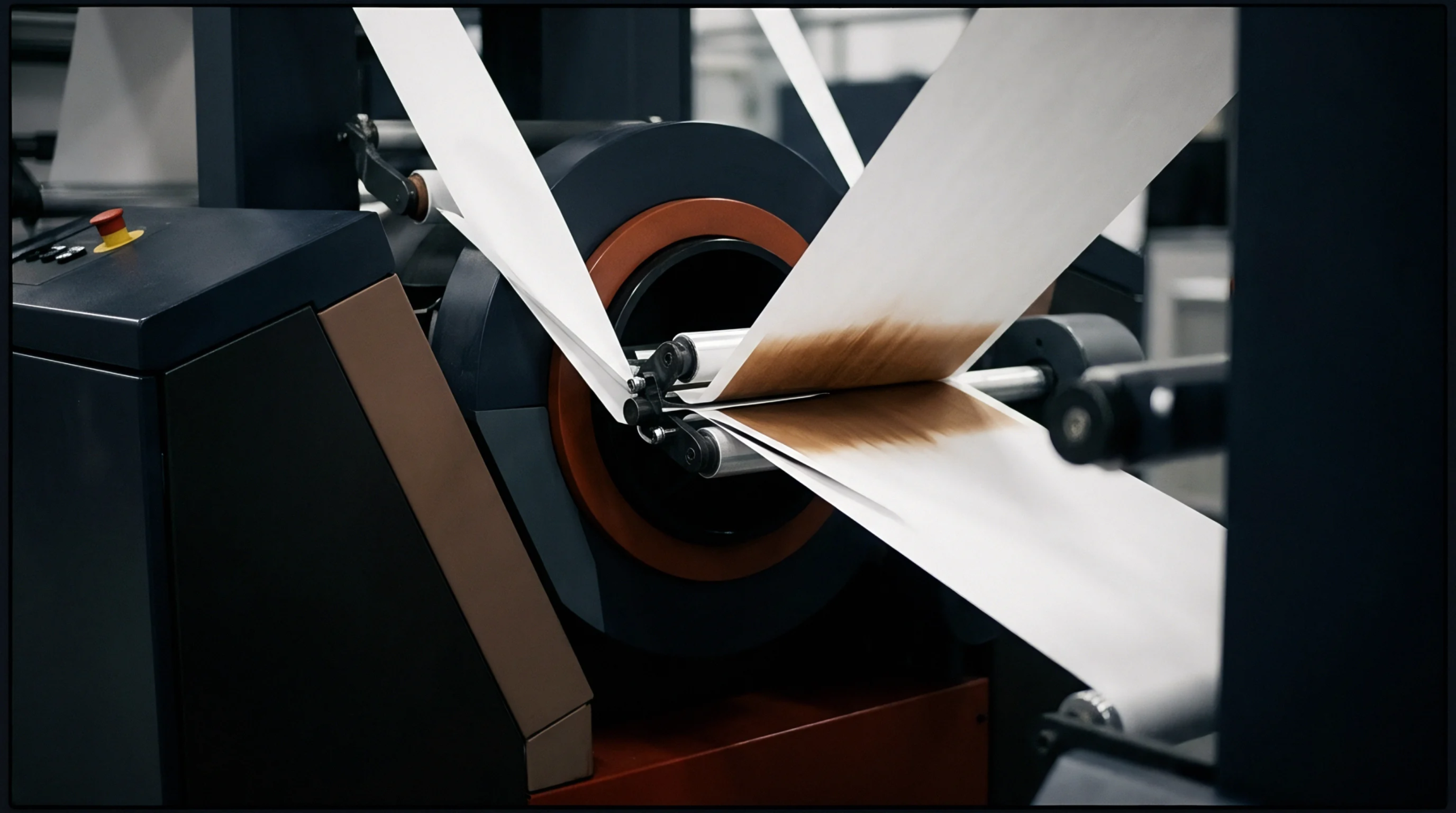
Quantitative ratios of finished saleable units to the raw mass of parent rolls define the physical success of a die-cutting or folding operation. High convertibility yield indicates that the layout of the cartons on the sheet minimizes the amount of skeletal waste sent to the pulper. This metric measures how much of the purchased board actually reaches the final consumer in a finished state.
Waste Calculation
Structural design choices like the width of the glue tabs and the nesting of irregular flaps impact the convertibility yield substantially. A mill produces a jumbo roll that the converter slits into narrower widths, and each step carries a risk of trim loss. Optimized slitting patterns reduce the strip of edge waste that occurs when the roll width does not divide evenly into the required product sizes.
Advanced software predicts these losses before the first cut is made.
Economic Margin
Low percentages in this area suggest that the material properties or the machine setup are poorly matched. If a board is too brittle for high-speed folding, the resulting convertibility yield drops as more units are rejected for cracking or misalignment. It provides the primary driver for calculating the actual cost per unit in a packaging contract.