Profile Mechanism
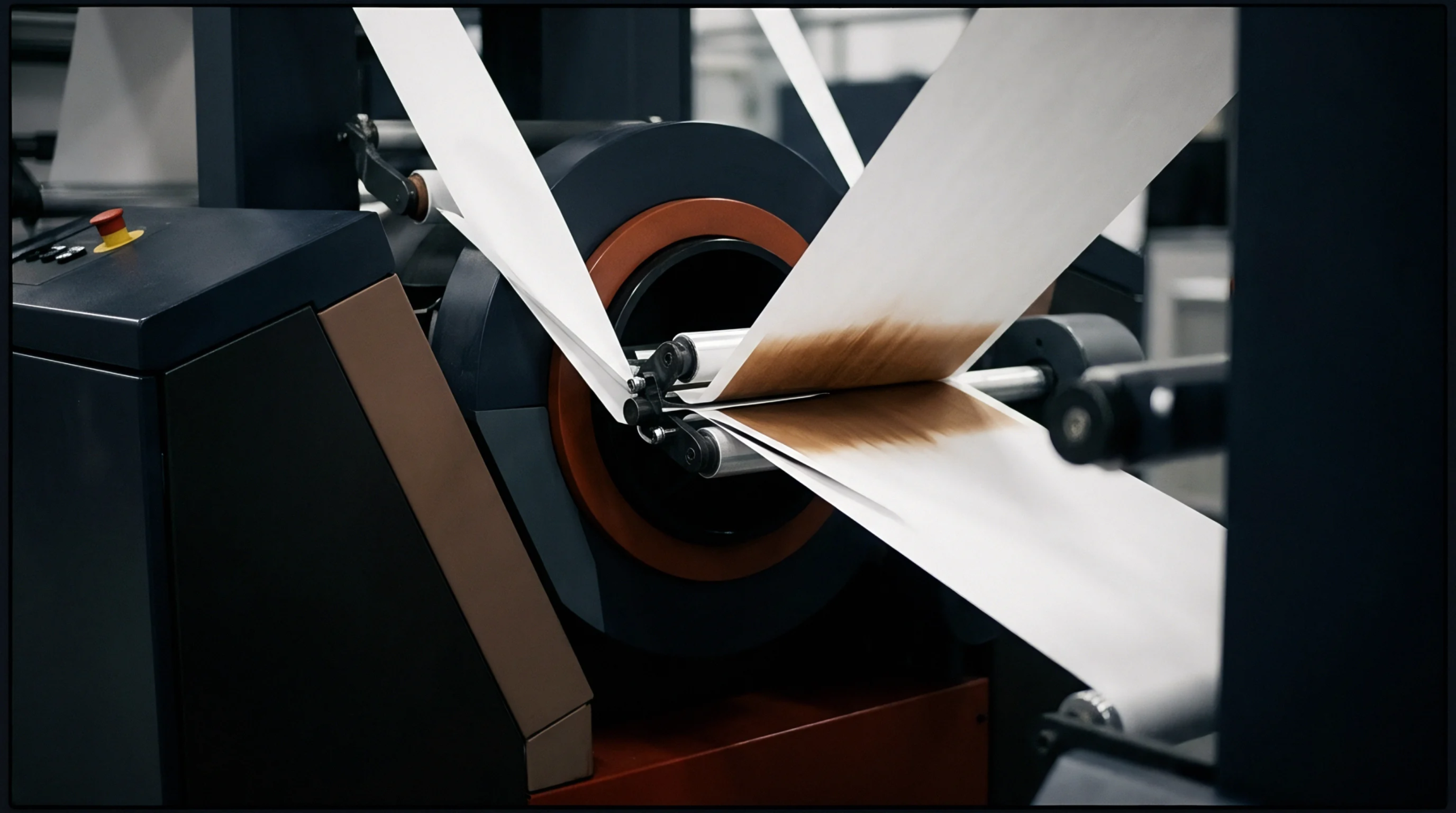
Automated tensioning along the width of a running paper web governs moisture profile and caliper consistency before final winding. Cross-direction control stabilizes basis weight and thickness by adjusting actuator slices across the slice lip of the headbox or the heating zones of an infrared dryer. Uneven shrinkage during drying introduces differential tension, which later causes registration errors on a multi-color offset press or jams in a high-speed carton erecting machine.
Mills apply actuator mapping algorithms to compensate for local basis weight surges. The system measures dry weight profiles using scanning sensors and modulates specific actuators to counteract detected variances.
Operational Variance
Sensor delay limits the reaction speed of closed-loop correction routines during rapid grade transitions. Thermal expansion of metal components near drying cylinders shifts the baseline position of slice lips, requiring continuous calibration against baseline profiles. Operators set deadbands to prevent actuator hunting caused by random noise in scanner measurements.
Mechanical backlash in drive linkages reduces positional accuracy when small corrections are commanded by the controller.
Converting Impact
Flat incoming reels prevent uneven stretching that distorts printed graphics during subsequent lamination and die-cutting operations. Excess tension differentials across the web leave curl tendencies that jam automatic feed mechanisms on folding carton gluers. Converters reject rolls exceeding moisture variation thresholds because uneven absorption ruins adhesive bond strength during corrugated board production.
Proper web profile conditioning ensures uniform caliper across the entire parent roll, which directly improves folding precision in pharmaceutical packaging lines.