Loading Measurement
Mechanical test protocols evaluate the rapid crushing resistance of corrugated board and folding cartons under continuous motorized platen movement. The dynamic compression profile records peak resistance before internal fluting yields under continuous platen displacement. Standard laboratory testing procedures typically operate at a constant displacement rate of twelve point seven millimetres per minute, separating this kinetic crushing behaviour from long-term static warehouse stacking creep.
Edge crush fixtures and finished box compression testers apply this loading geometry to quantify peak structural resistance. Board converters use these values to establish structural safety margins against converting nip pressures and automated case erector handling. Moisture content within the board shifts the observed peak force, because damp cellulose fibres experience plastic deformation at lower applied loads.
Strain Rate
Velocity regimes during mechanical displacement dictate whether containerboard flutes fail by progressive buckling or sudden delamination. Rapid platen displacement increases the apparent stiffness of virgin kraftliner relative to recycled testliner grades. During dynamic compression, higher strain rates amplify hydraulic pressure within damp cellulose cell walls, elevating apparent compressive strength.
Conversely, dry corrugated structures exhibit brittle wall fractures under rapid loading velocities.
Failure Mechanism
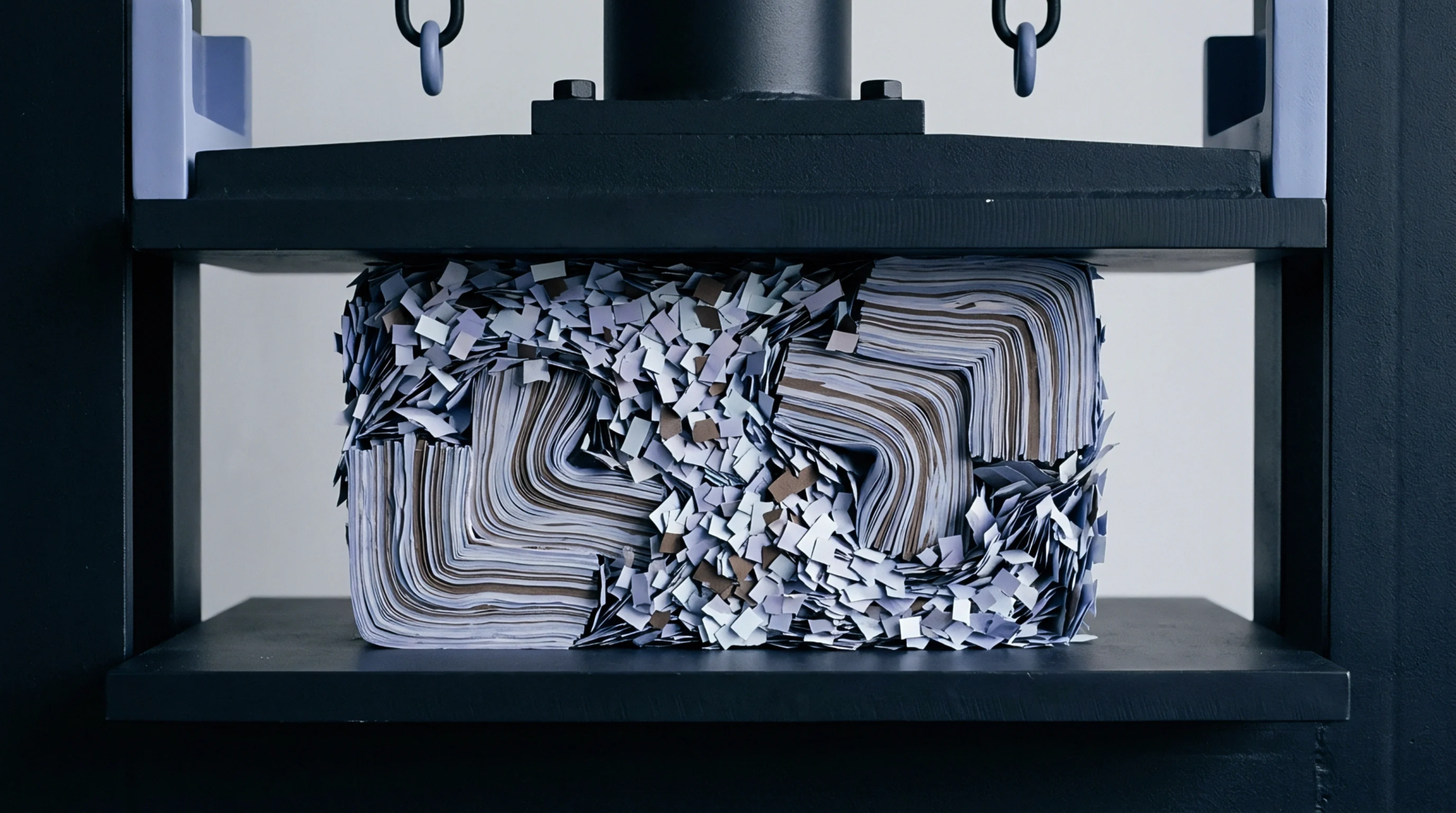
Corrugated packaging panels buckle along scorelines once loading exceeds local sidewall stability thresholds. Compressive failure initiates at localized flute defects before propagating across panel faces. Under dynamic compression, this collapse occurs within milliseconds, flattening the internal arch geometry of the fluted medium.
The resulting loss of panel stiffness destroys top-to-bottom box stacking performance.