Polymer Degradation
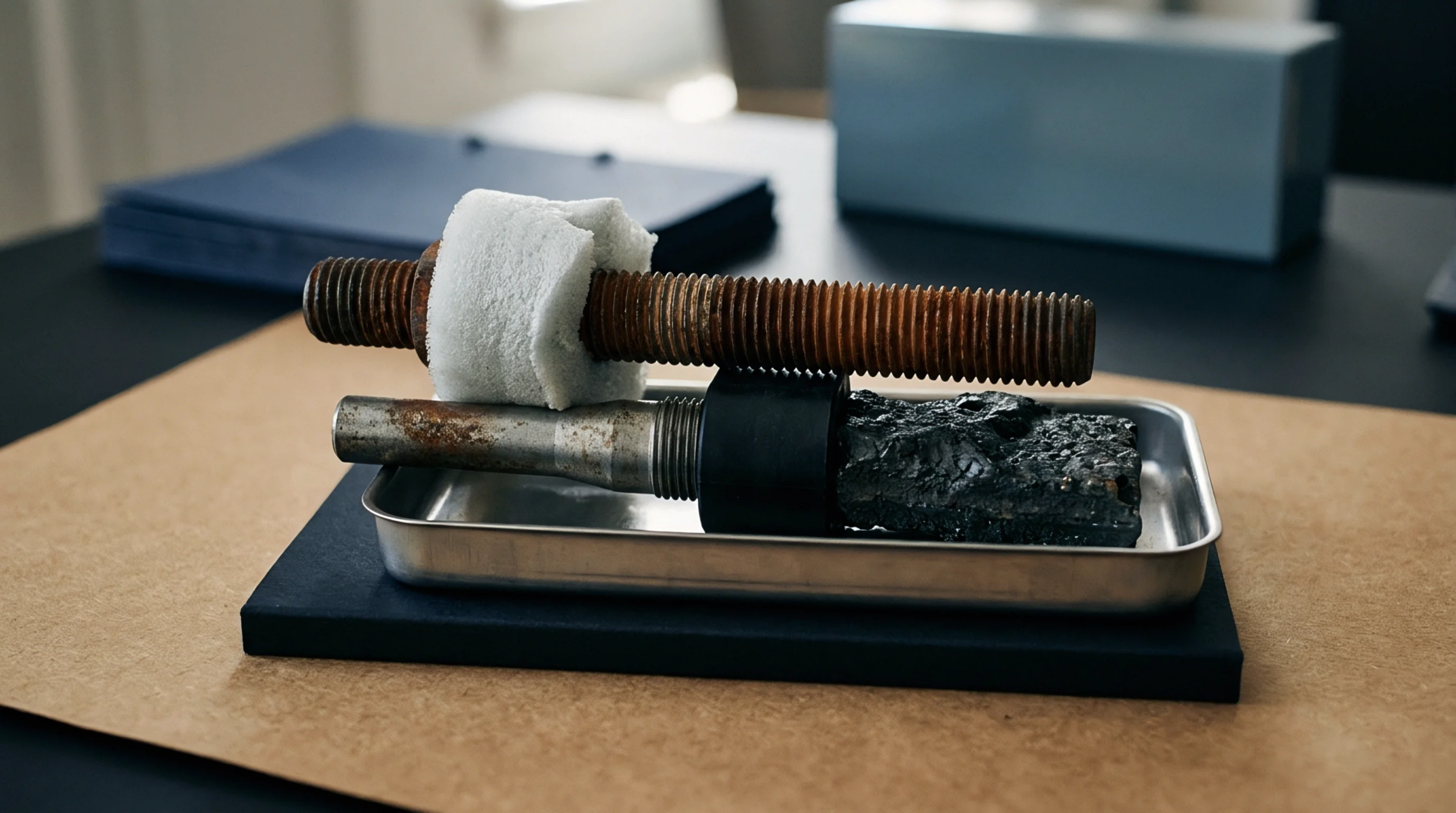
Sub-surface microstructural fissures developed within synthetic rubber coverings under cyclic dynamic mechanical deformation characterise mechanical failure in flexographic printing sleeves, laminating rollers and converting press nips. The emergence of elastomer fatigue micro-cracks marks the irreversible destruction of crosslinked polymer networks caused by continuous hysteresis heating, mechanical shearing and chemical swelling. High-speed converting lines subject roller elastomers to millions of rotational compression-decompression cycles per week, generating internal stress concentrations around pigment agglomerates and inorganic fillers.
The failure classification excludes superficial abrasion gouges inflicted by foreign metal particles or knife cuts incurred during plate dismounting operations.
Stress Dynamic
Polyurethane, nitrile butadiene and ethylene propylene diene monomer compounds experience significant internal heat buildup when operated under high nip loads. Mechanical hysteresis prevents the rubber matrix from recovering instantly after exiting the nip contact zone, converting stored strain energy into localized thermal energy. When roller surface temperatures surpass eighty degrees Celsius, crosslink density diminishes, lowering the threshold for mechanical tear propagation.
In flexographic printing, ultraviolet monomers, solvent-based ink carriers and aggressive ethyl acetate wash solutions penetrate microscopic surface voids, leaching plasticizers and embrittling the outer polymer layer. Once early elastomer fatigue micro-cracks form along the perimeter of the roller, dynamic shearing forces during print impressions drive these separations deeper into the elastomer body, eventually causing catastrophic chunking and delamination from the underlying steel mandrel.
Print Defect
Surface fissures across impression rolls and transfer sleeves distort ink film metering, producing uneven solid ink densities, haloing and ink mottle across fine halftone dots. Coating units running aqueous barrier emulsions suffer from streak defects when micro-cracks trap chemistry and release concentrated droplets across the paperboard web. Converting operators maintain laser surface profilometers and durometer hardness gauges to detect rubber degradation before surface fractures transfer visual imperfections onto packaging substrates.
Early detection prevents unplanned machine shutdowns and preserves print clarity across high-volume production schedules.