Aqueous Preparation
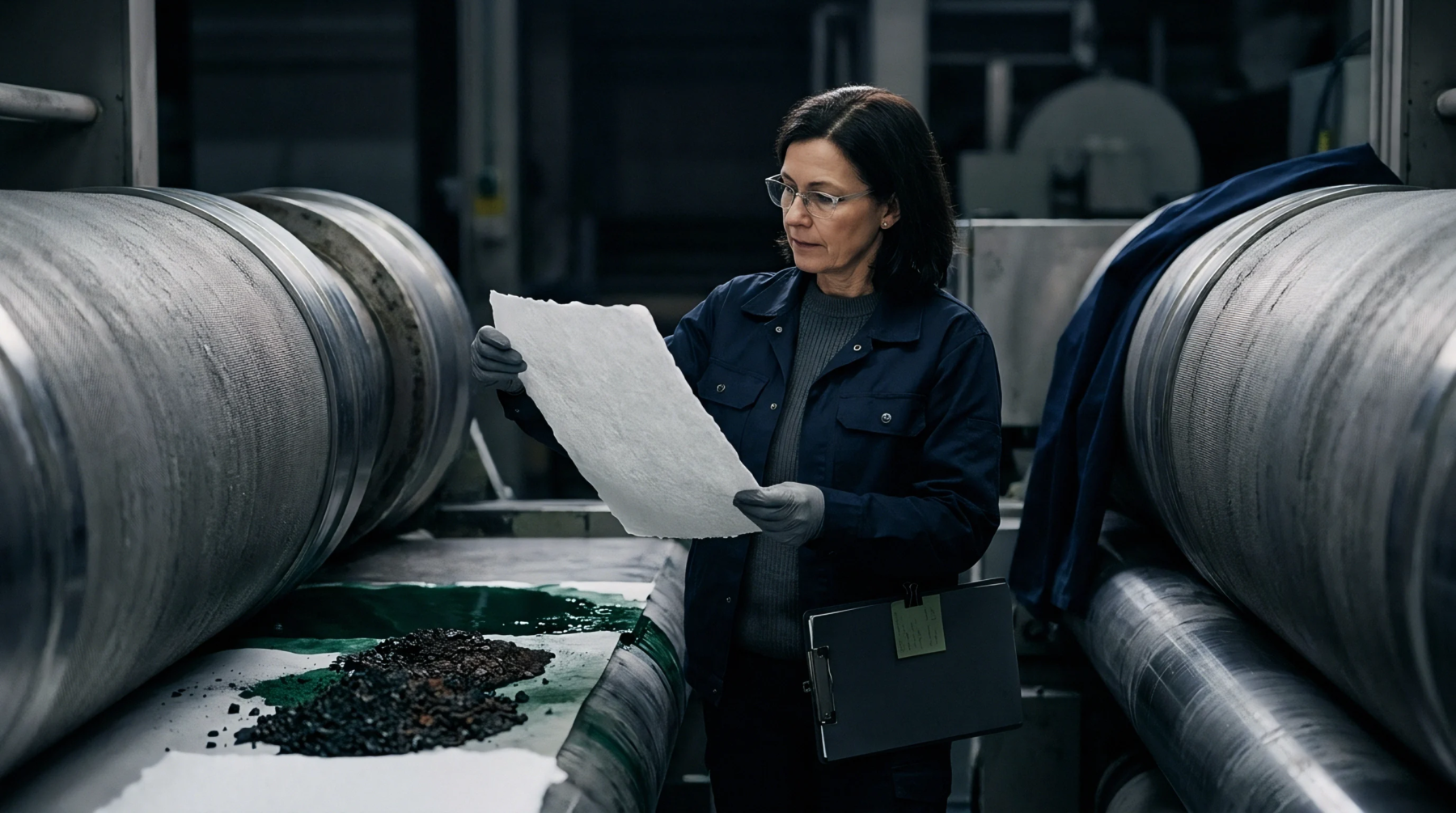
Chemical analysis of paper and board packaging relies on a standardized liquid contact procedure to isolate specific migrants. The en 645 extraction process produces a test solution by immersing the substrate in water for a defined duration at a fixed temperature. Laboratory personnel utilize this specific preparation to quantify the transfer of substances from paper or board into a food simulating solvent.
Consistent application of these conditions allows for the accurate measurement of cold water extracts and hot water extracts according to strict international safety protocols.
Test Parameter
Controlled variables define the migration outcomes and prevent discrepancies between different testing facilities during compliance audits. The en 645 extraction methodology specifies the ratio of substrate surface area to the volume of the aqueous contact medium. Precise temperature maintenance ensures that the thermal energy during the soak reflects the intended end use of the packaging material.
Technicians apply this preparatory step before running subsequent analytical tests such as acidity, alkalinity or chloride content assessment.
Analytical Outcome
Solvent saturation levels determined through these soaking cycles establish the baseline data for migration limit verification in food contact materials. Results from the en 645 extraction procedure permit the assessment of material purity and potential contamination risks before mass production begins for sensitive packaging applications. This protocol isolates chemical constituents into the water phase where concentrations move into standard analytical detection equipment.
These measurements verify that the fibre substrate remains within mandated toxicological bounds for direct food interaction.