Phase Alignment
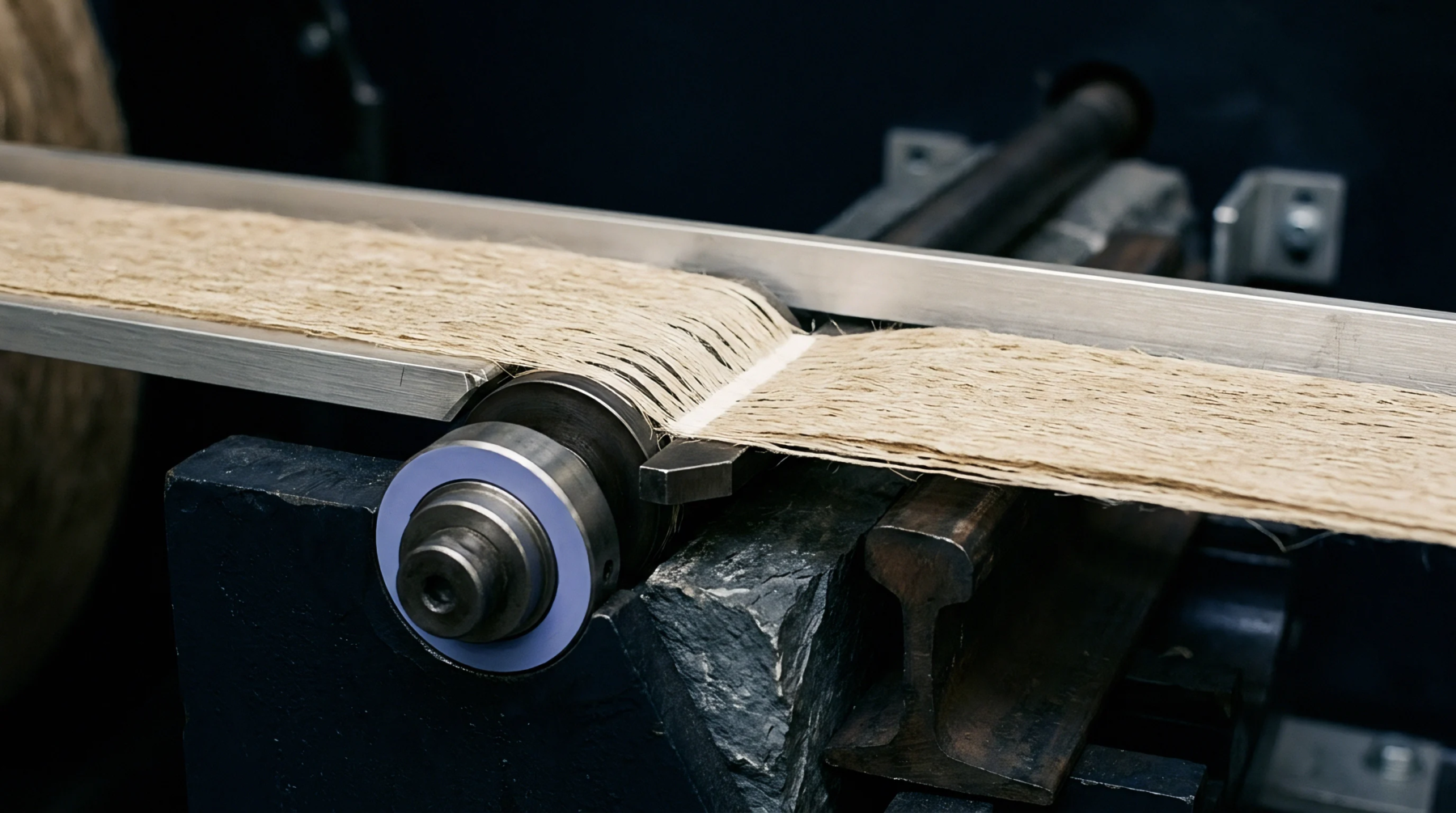
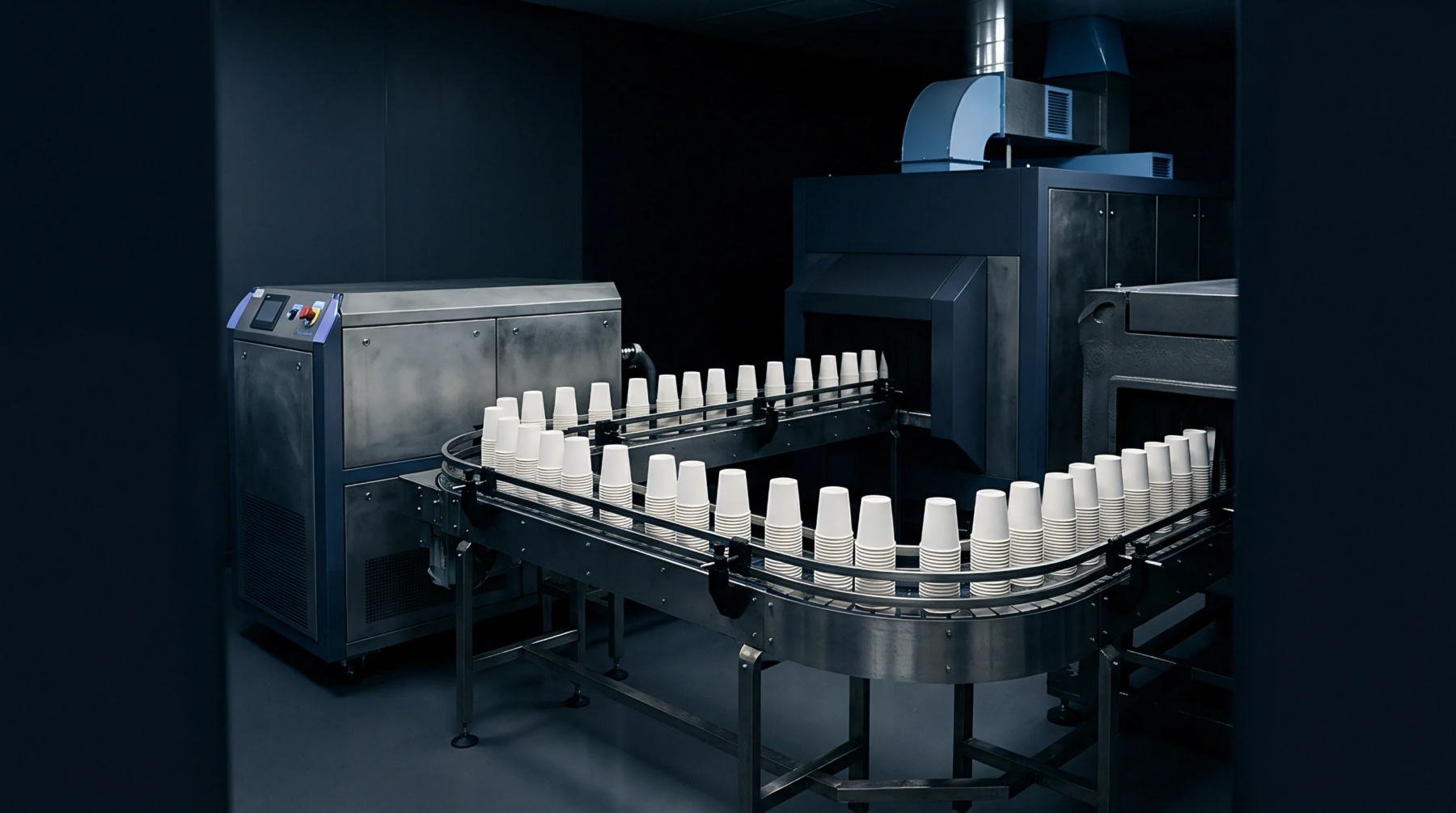
Rotary motor positioning maintains constant registration across high speed web feeds by locking printing cylinders directly to incoming paper substrates. Encoder synchronization governs the electronic feedback loop between servo drives and rotary dies during continuous carton conversion. Rotary die cutters rely on this precise phase lock to prevent pattern drift on heavy folding boxboard.
Fluctuations in line speed trigger immediate pulse corrections from the controller to keep cutting blades aligned with preprinted graphical marks. Mechanical gear backlash historically caused register errors at higher operating velocities until electronic position controllers replaced fixed drive trains. Servo motors adjust rotational speed dynamically when web tension variations stretch cellulose fibers between impression stations.
Closed loop feedback systems compare actual encoder pulses against reference signals every millisecond during continuous production runs. Thermal expansion inside drying tunnels alters substrate dimensions, forcing drive controllers to modify registration parameters continuously. Substrate slippage across nip rollers disrupts rotational tracking unless optical sensors recalibrate the feedback loop.
Pulse Resolution
High frequency pulse trains dictate the maximum positional accuracy achievable during high speed folding carton manufacturing. Encoder synchronization demands exact counts per revolution to resolve minute positional deviations on rotary embossing cylinders. Optical glass disks inside feedback devices generate square wave pulses that corresponding microprocessors translate into exact angular positions.
Encoder resolution limits fall below the acceptable tolerance threshold whenever line speeds exceed specific manufacturing parameters. Signal degradation along long cabling runs introduces jitter into the feedback loop, causing micro vibrations in the converting cylinder. Shielded twisted pair cables prevent electromagnetic interference from nearby variable frequency drives corrupting incoming pulse trains.
Digital filtering algorithms process raw square waves to eliminate electrical noise before the controller calculates speed corrections. Low count encoders fail to detect subtle web stretching events on heavy paperboard webs, resulting in cumulative register drift.
Mechanical Jitter
Resonance frequencies within drive shafts create mechanical oscillations that compromise the accuracy of high speed rotary finishing equipment. Encoder synchronization compensates for shaft windup by measuring angular velocity directly at the cutting cylinder rather than the motor armature. Torsional deflection in long drive trains introduces phase lag between the master reference and the slave cylinder.
High inertia loads demand stiffer coupling mechanisms to prevent mechanical damping from delaying positional corrections. Gear train wear introduces backlash that cannot be eliminated entirely through electronic compensation alone. Direct drive servo motors eliminate mechanical transmission components entirely, removing a primary source of backlash and positional error.
Tension profiles across wide webs generate lateral forces that destabilize rotary tooling alignment despite perfect electronic feedback loops. Final calibration requires verifying printed register marks against mechanical zero positions under normal operating loads.