Bulk Density
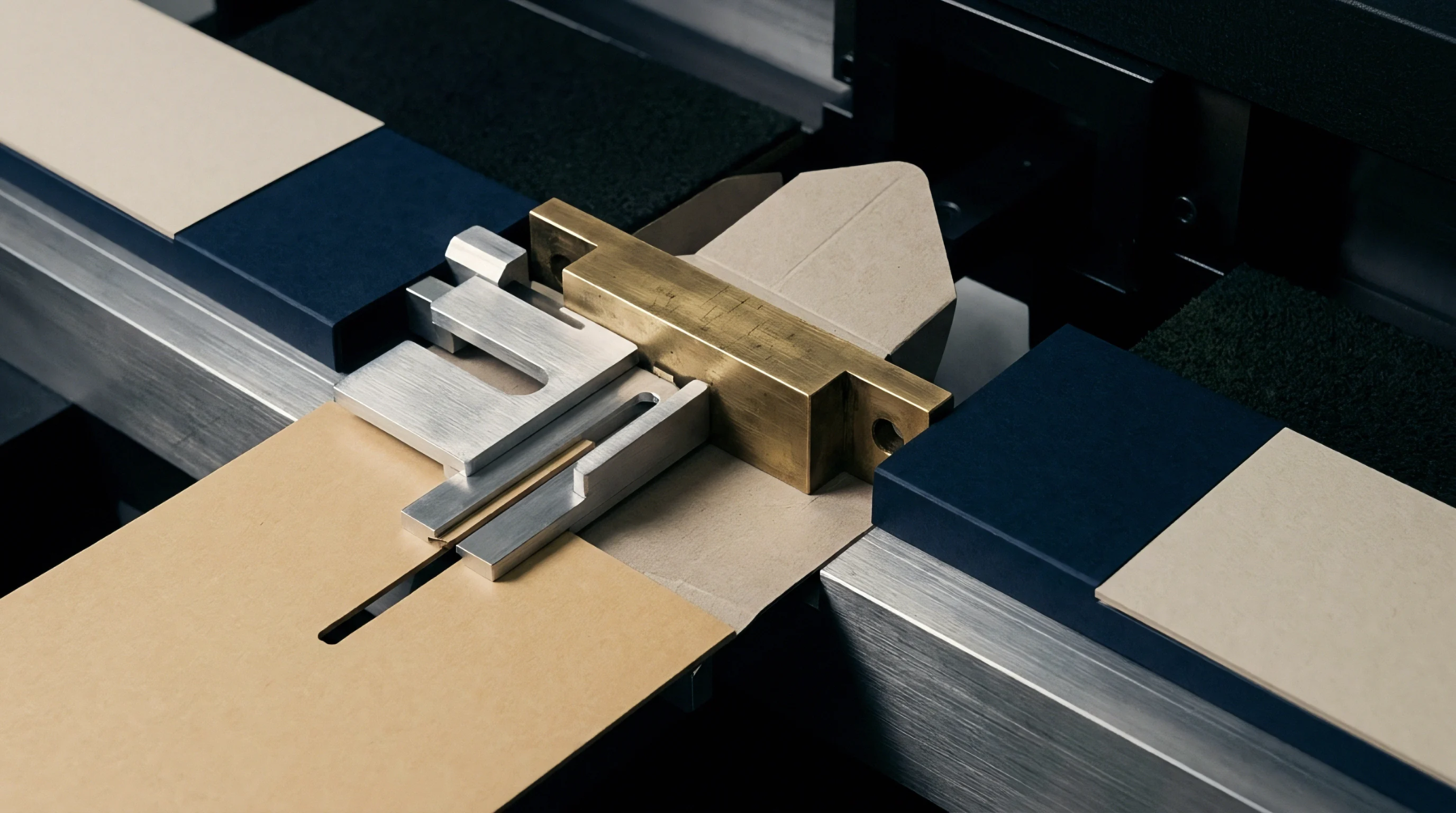
Dimensional variance in cellulose mats occurs when fiber network compression reduces the void space between individual filaments. This physical consolidation relies on mechanical pressure applied during the calendering or supercalendering stages of paper manufacturing. High pressure forces the constituent fibers into a tighter configuration, which increases the sheet density while decreasing thickness.
Sheet Interaction
Proper internal bonding depends on the degree of fiber network compression achieved during the finishing process. Increased contact points between fibers allow for stronger hydrogen bonding, which directly influences the tensile strength and surface smoothness of the finished substrate. Excessive pressure might crush the sheet structure, causing a loss in opacity and a reduction in the bulk required for stiffness in packaging applications.
Careful calibration of nip pressure is necessary to maintain the balance between surface finish and structural integrity.
Process Control
Consistent paper properties require the precise management of fiber network compression through varying roll loads and temperature settings. Operators regulate these parameters to compensate for moisture fluctuations and furnish composition changes during production runs. Accurate measurement of the thickness reduction against the applied load provides the data needed to adjust the calendering equipment in real time.
Standardizing these inputs minimizes variability in the caliper and printability of the final product.