Analytical Architecture
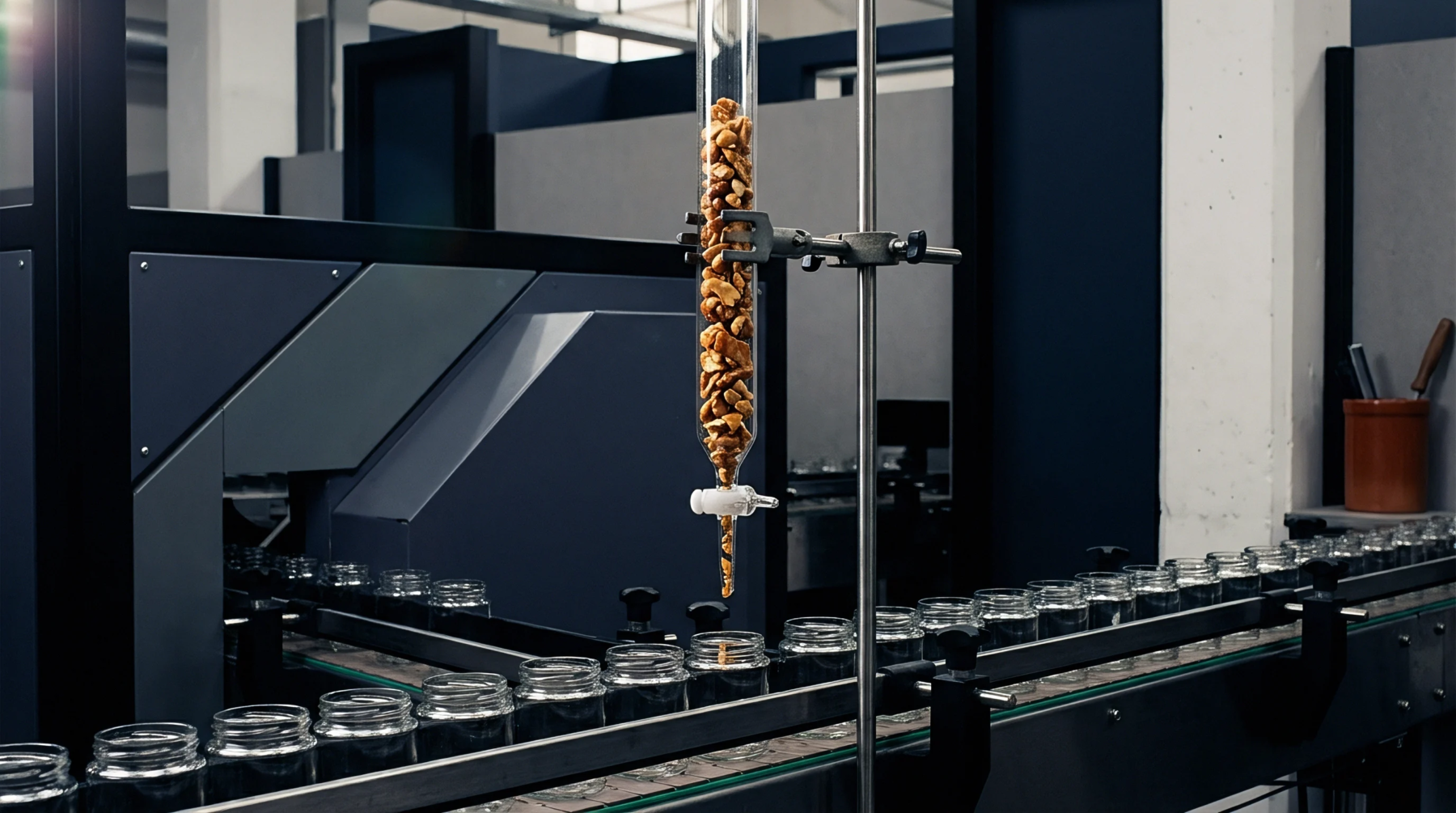
Hyphenated chromatographic instrumentation separates volatile and semi-volatile chemical mixtures to identify and quantify organic compounds at trace concentrations. Packaging compliance testing employs gc-ms to evaluate volatile organic compounds, mineral oil hydrocarbons, residual solvents and plasticizers extracted from paperboard and printed cartons. The instrument injects vaporized sample extracts into a capillary column lined with a stationary phase, separating chemical constituents based on boiling point and polarity under controlled carrier gas flow.
As separated compounds elute into the mass spectrometer, electron ionization fragments the molecules into characteristic ion patterns. A mass filter then directs the ions to a detector, producing spectral fingerprints that an analyst matches against reference libraries to confirm molecular structure and abundance.
Extraction Workflow
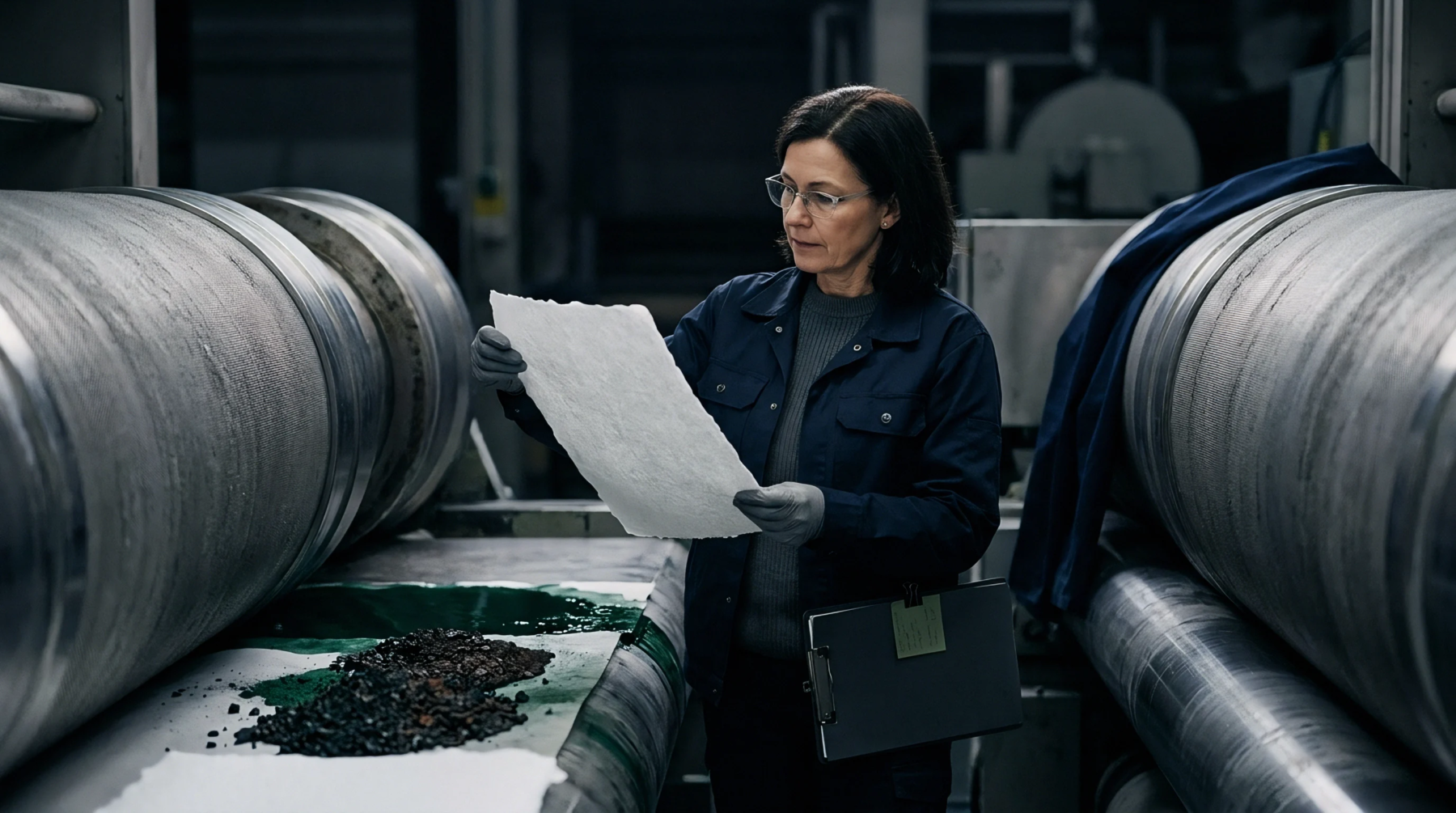
Sample preparation requires rigorous solvent extraction or headspace thermal desorption to liberate migrants from the cellulose matrix without degrading target analytes. Food packaging laboratories use static or dynamic headspace techniques to measure volatile wash solvents, glycol ethers and ink photoinitiators directly from dry board samples. For less volatile compounds, organic solvents such as ethanol, hexane or dichloromethane dissolve internal sizing agents, deinking contaminants and synthetic waxes through ultrasonic or Soxhlet extraction.
Mill laboratories follow standard protocols including DIN EN 15519 to isolate dry substance migrants. Internal standards added to the solvent matrix prior to extraction correct for volume loss, thermal drift and detector response variance across extended test sequences.
Detection Boundary
Instrument sensitivity resolves target compounds down to parts-per-billion concentrations, which aligns with European food contact regulations and regional safety thresholds. The technique fails when applied to non-volatile macromolecules, heavy metals or highly polar long-chain polymers, which require liquid chromatography or inductively coupled plasma methods. Testing facilities deploy gas chromatography paired with mass spectrometry to verify that photoinitiator migration from ultraviolet-cured inks remains below regulatory detection limits on folding boxboard cartons.
Print houses verify solvent retention on flexible web laminates and paper-foil pouches using identical chromatographic protocols before shipping rolls to food filling plants.