Fibre Orientation
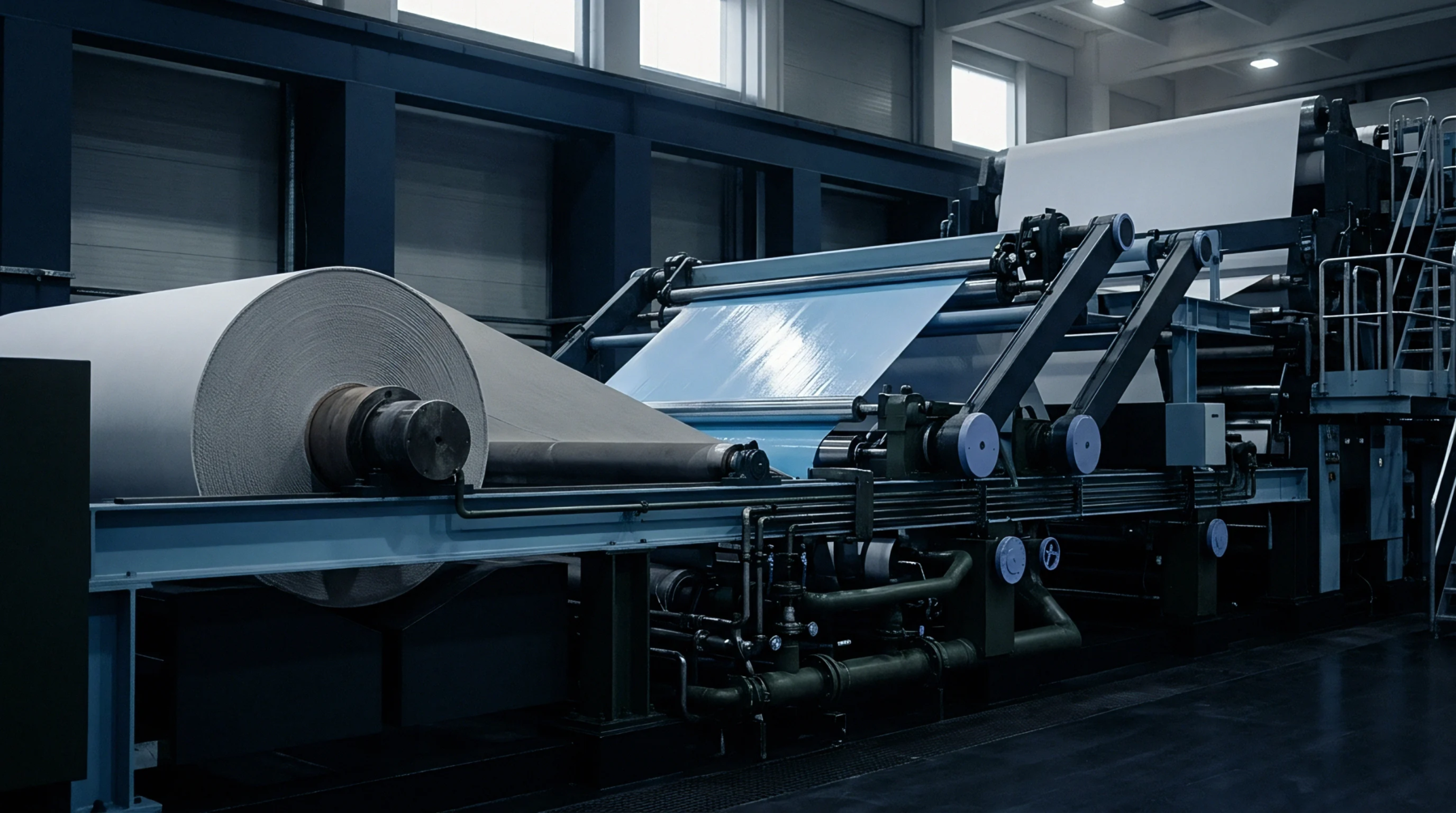
Manufacturing layouts establish the angle between prevailing cellulose fibre orientation and finished structural creases or printing press cylinders. During paperboard conversion, grain direction alignment governs whether the machine direction runs parallel or perpendicular to carton scores and panel folds. Correct placement guarantees functional package rigidity and prevents aesthetic cracking along fold lines.
Structural Rigidity
Mechanical box compression strength rises when major vertical carton corners align parallel to the board machine direction. Cellulose fibres exhibit higher tensile stiffness and modulus of elasticity along their longitudinal axis than across their diameter. Cartons folded parallel to the grain fold cleanly with low folding resistance, whereas folds made across the grain demand higher scoring depths to prevent outer-ply liner rupture.
Automatic cartoning lines feed blanks reliably when panel stiffness resists bending under vacuum pick cups and high-speed mechanical pushers. Printing presses maintain tighter color registration when cylinder curvature bends the sheet along the grain rather than fighting cross-direction bending resistance. Improper nesting on large offset layout forms causes mixed carton strength when blanks share identical caliper but face differing machine axes.
Substrate Isotropy
Isotropic forming processes neutralise orientation effects when paperboard matrices possess uniform fibre distributions across all planar angles. Hand-cast test sheets and cross-laminated composite materials exhibit identical tensile properties in both orthogonal directions, eliminating mechanical orientation dependencies.