Composite Architecture
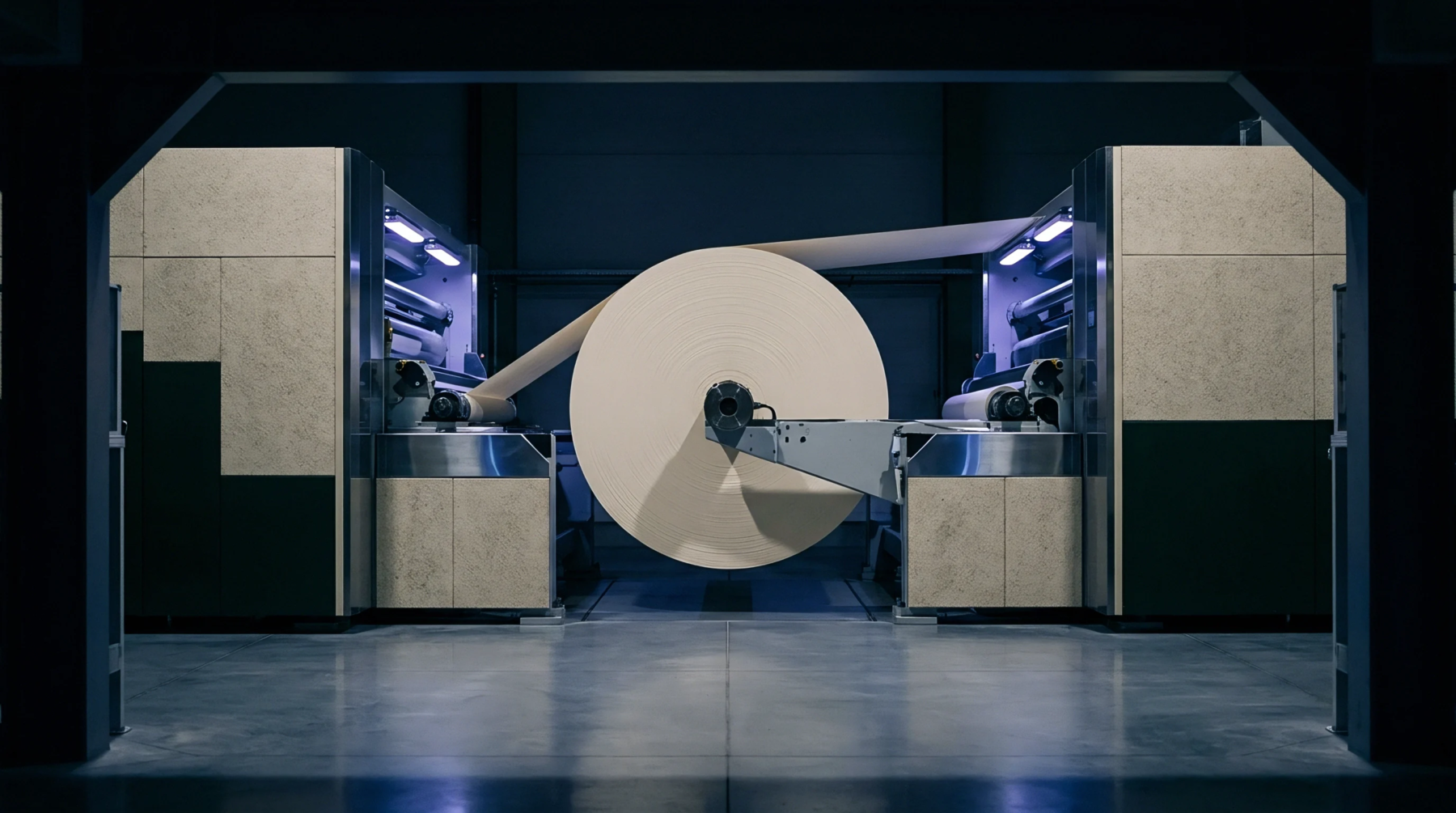
Multi-ply paperboard structures bonded with a plastic film or metal foil provide enhanced strength and protection for demanding packaging applications. The use of laminated folding boxboard combines the stiffness of mechanical and chemical pulp layers with the chemical resistance of synthetic barriers. Adhesives or extrusion lamination techniques join the polymer web directly to the coated top surface or the uncoated reverse side of the board.
This composition provides an impermeable shield against moisture migration, oil penetration and volatile aroma loss.
Barrier Performance
The structural composition prevents liquid transmission and maintains grease resistance in food and cosmetic packaging. In addition to preserving the contents, laminated folding boxboard prevents external moisture from softening the paper fibers and collapsing the carton.
Processing Behavior
Cutting and creasing these composite materials require modified tooling because the synthetic polymer layers resist traditional tearing and folding actions. Die-cutting knives must be kept exceptionally sharp to ensure a clean shear through both the elastic polymer layer and the dense paperboard plies, which prevents the formation of ragged edges and loose plastic strings. Too low a pressure fails to sever the polymer completely, which causes carton blanks to remain joined together after the stripping phase.