Deformation Force
Internal stresses develop within multi layer materials when individual plies respond differently to the mechanical loads or environmental changes encountered during the bonding process. The presence of lamination strain often leads to immediate or delayed curling of the finished sheet as the layers attempt to reach a state of equilibrium. This phenomenon occurs primarily when a plastic film with a high coefficient of thermal expansion is joined to a relatively stable paper substrate.
Tension Management
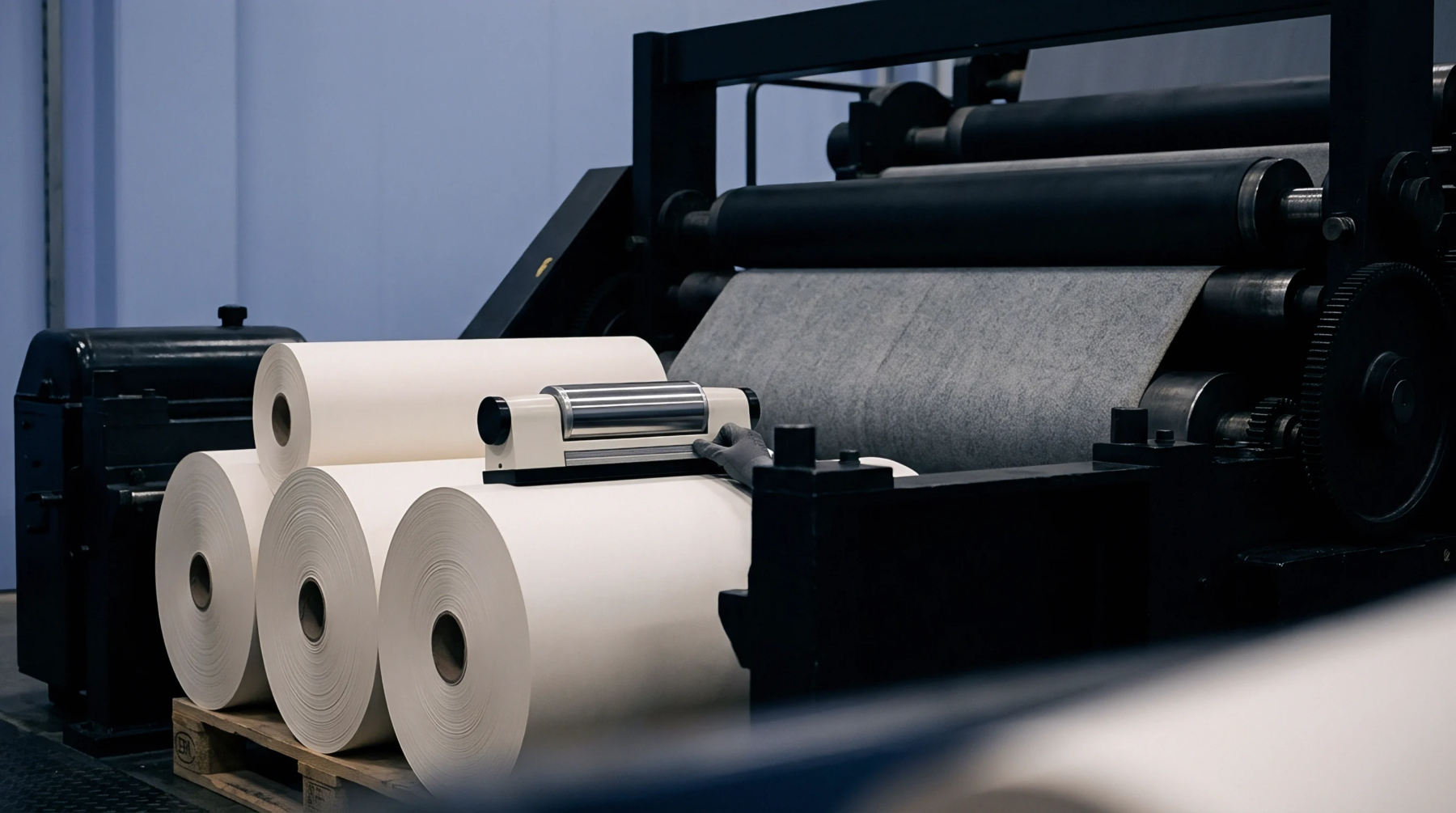
Controlling the web tension of the film and the paper before they enter the nip roller is the primary method for minimizing the residual forces. If the film is stretched excessively during the application, the resulting lamination strain will appear as a concave curl toward the film side once the tension is released. Adjusting the brake settings on the unwind stands and ensuring the cooling rollers are functioning correctly helps to stabilize the material.
Proper moisture balance in the paper also plays a role in preventing the substrate from shrinking or expanding after the film is applied.
Material Stability
Long term performance of a laminated product depends on the ability of the adhesive and the substrates to absorb these internal forces without failing. Excessive lamination strain can cause the adhesive bond to fracture, leading to edge delamination or the formation of tunnels in the film. Because different polymer types such as polyester and polypropylene have varying elastic moduli, the choice of film dictates the amount of stress the finished product must tolerate.
Engineers use testing methods to measure the degree of curl and the peel strength to ensure the product remains flat and functional throughout its shelf life.