Fiber Orientation
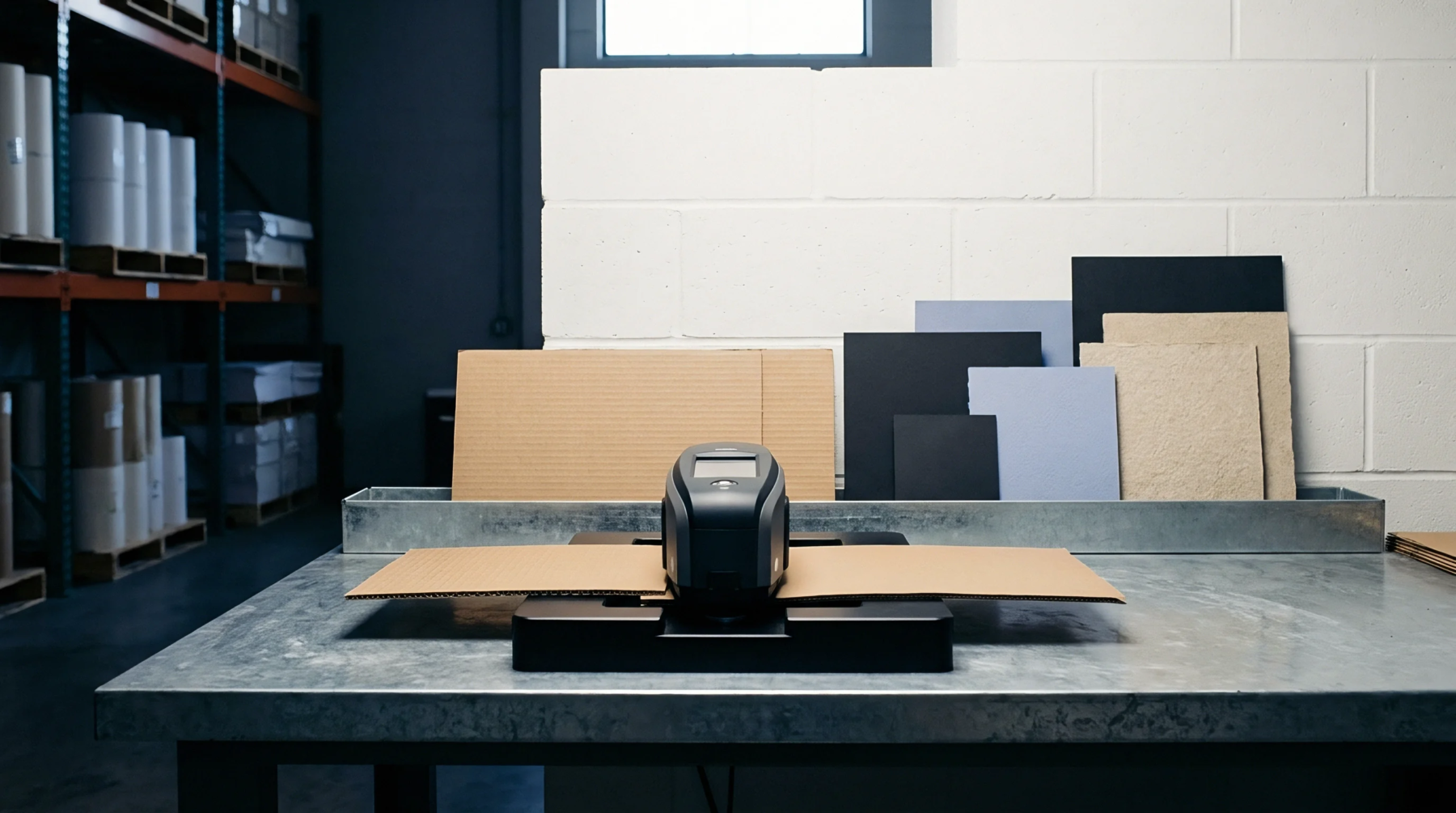
Natural tendencies drive most cellulose fibers to point toward the direction of travel as they settle on the wire. This machine-direction alignment occurs because the relative speed difference between the jet and the forming belt stretches the fiber network axially. High degrees of this preference result in a sheet that is exceptionally strong along its length but vulnerable to tearing across its width.
Property Impact
Folding and scoring outcomes depend on how the grain of the paper aligns with the folding axis. A high machine-direction alignment typically means the paper resists bending significantly when forced across the grain. This behavior dictates the layout of the die pattern for luxury boxes to ensure smooth hinge formation without cracking the printed surface.
Packaging designers specify this property to ensure maximum vertical column crush strength in stacked pallets.
Formation Variable
Wet end operators use jet-to-wire ratios to manipulate how tightly the fibers follow the path of movement. Reducing the machine-direction alignment creates a more square sheet with balanced strength properties in both directions. This is often achieved by minimizing the drag on the fibers during the first few seconds of dewatering.
Careful control of this variable reduces the risk of diagonal curl during high heat drying.