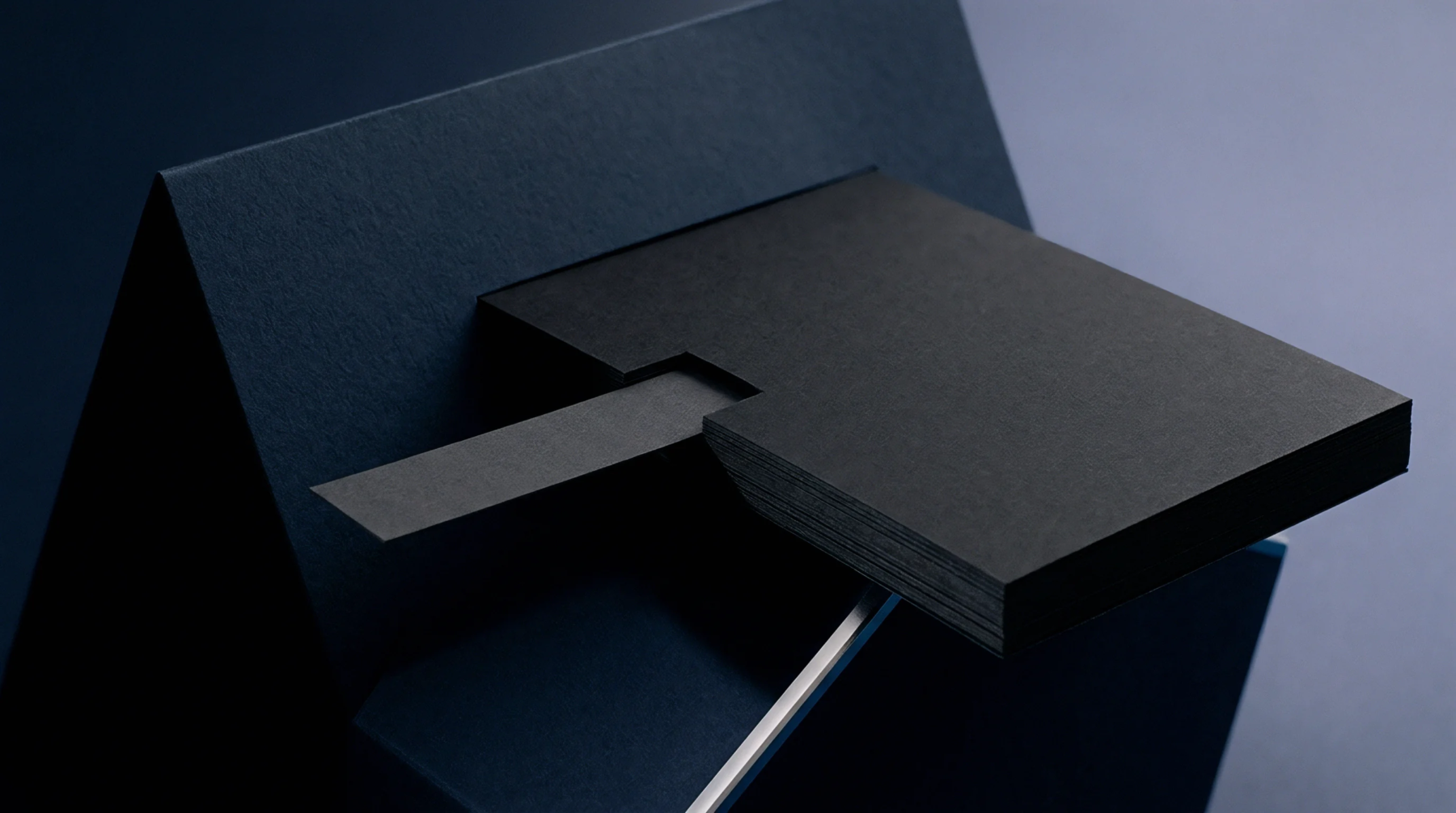
Orientation Alignment
Orientation alignment of a fold line parallel to the prevailing fiber path minimizes the resistance of paperboard during conversion. The machine direction creasing process takes advantage of the fact that fibers are stiffer along their length than across their diameter. Because the crease runs with the grain, the board bends with less force and fewer structural disruptions.
Strain Distribution
Strain distribution differs markedly from cross-direction creasing. In machine direction creasing, the internal layers of the board must compress without tearing the outer liners. The die geometry must be adjusted to account for the reduced tensile strength of the board in the perpendicular direction.
Folding Reliability
Folding reliability is the primary output of a well-executed crease. If the pressure is too low, the fold will not hold its shape. When the pressure is too high, the fibers will crack and expose the white core of the board through the printed surface.
Consistent moisture content in the board is necessary for the fibers to remain plastic enough to survive the mechanical strain without fracturing. This relationship between moisture and elasticity determines the speed at which a converting line can operate without generating excessive waste. Properly formed hinges also reduce the pressure required by the folder-gluer to keep the boxes closed.