Optical Triangulation versus Air Leak Roughness Testing in Boxboard Quality Control
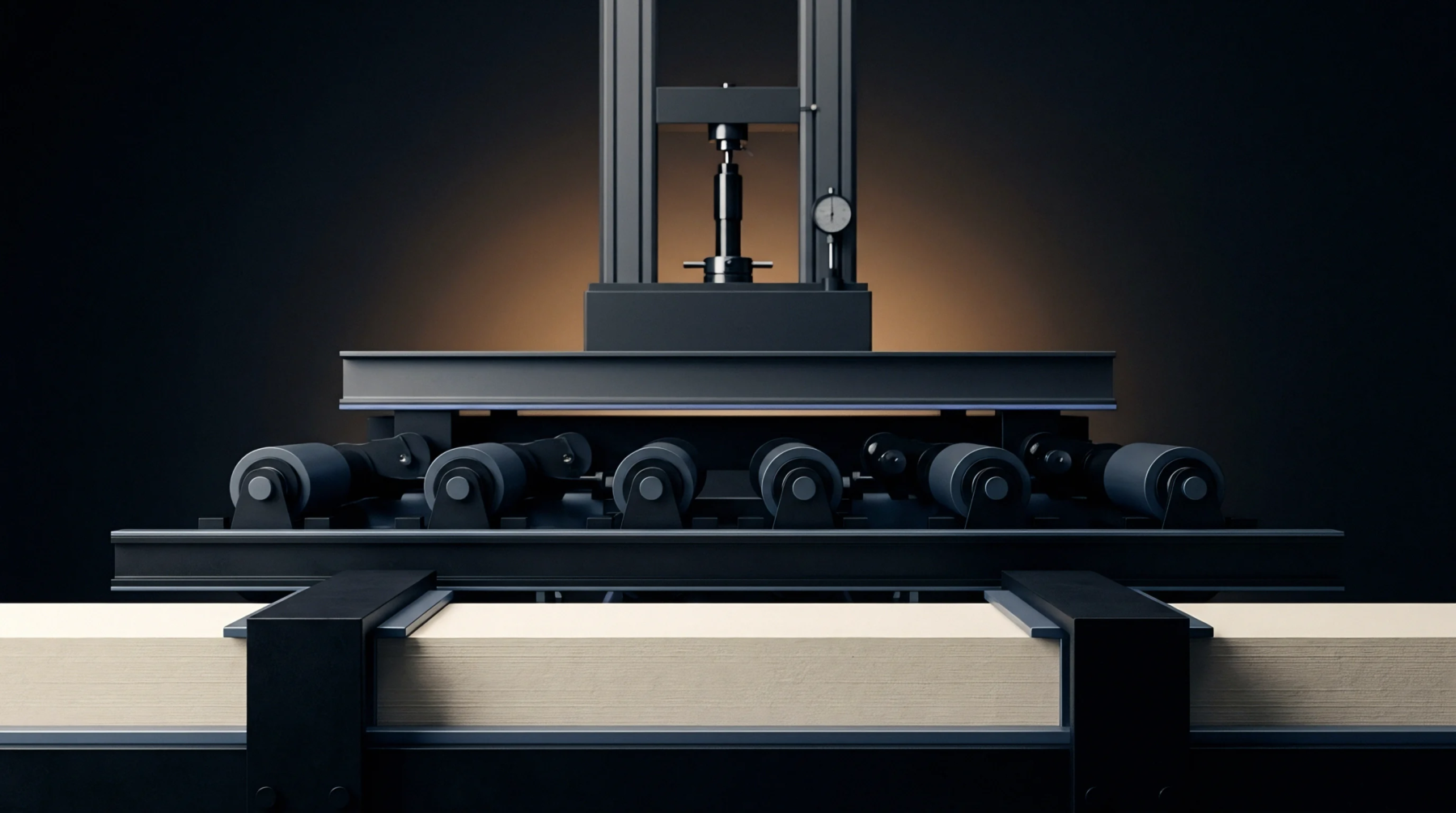
Air leak testing measures functional board compressibility under print impression, while optical triangulation isolates non-contact geometrical surface defects.
Targeted mechanical smoothing and compaction applied to discrete zones, thin surface layers or individual paperboard plies represents the finishing process known as micro-calendering. The method utilises specialised roll configurations, controlled micro-nips or discrete processing stages to alter surface topography without collapsing the bulk density or stiffness of the underlying substrate. Operations target fine-scale surface roughness, print receptivity and coating smoothness on specialized grades such as release liners, barrier-coated papers, thermal stocks and premium folding boxboards.
The boundary of this process separates localized, low-deflection finishing from heavy machine calendering or bulk supercalendering passes that indiscriminately densify the complete fibrous sheet core. Micro-finishing preserves cross-directional thickness profiles while selectively compressing high-standing surface fibres and coating nodules.
Process setups employ combinations of high-hardness chilled iron rolls, compliant synthetic polymer covers, and heated metal cylinders operated under precise hydraulic nip pressures. Controlled thermal gradients play a central role, heating the passing web surface above the glass transition temperature of moisture-plasticised hemicellulose and coating binders. This heated contact softens exterior cellulose fibres, allowing moderate nip pressures to flatten protruding asperities without conducting sufficient heat into the sheet core to collapse structural bulk.
Soft-nip systems utilize elastomeric covers that deform around gross basis weight fluctuations, maintaining uniform finishing pressure on micro-scale peaks without crushing low-mass zones into transparent spots. Extended nip shoe calenders expand the compaction footprint, prolonging dwell time at lower peak pressures to enhance surface smoothness while preserving internal voids and bending stiffness. Online induction heating systems profile the roll face dynamically, expanding roll diameters locally across narrow cross-direction zones to correct micro-scale caliper anomalies.
Preserving structural stiffness alongside a smooth printing surface represents the central performance objective in folding carton and containerboard manufacturing. Traditional heavy calendering smooths sheets at the direct expense of caliper, reducing carton corner collapse resistance and box compression strength. Micro-calendered folding boxboards retain internal ply bulk, allowing packaging designers to reduce nominal basis weight targets without sacrificing top-to-bottom carton rigidity.
Smooth surfaces generated through localized nip compression improve liquid holdout, preventing mineral oils, barrier polymers and printing inks from draining down into base sheet pores. Barrier layer pinholes fall dramatically when applying thin aqueous coatings over pre-calendered surfaces, as flattened fibre networks provide uniform support for continuous liquid film consolidation. Thermal paper lines utilize the process to ensure full contact between thermal print heads and active leuco-dye layers, avoiding image dropouts during rapid retail barcode printing.
Coated packaging grades achieve high Parker Print-Surf smoothness metrics, enabling rotogravure and high-screen flexography to run without ink speckle defects.
Air leak testing measures functional board compressibility under print impression, while optical triangulation isolates non-contact geometrical surface defects.
Expertise is a utility, not a secret. sentiention™ publishes its working knowledge as open reference: intelligence layer covering the materials it sources, the markets it enters, and the reference that serves both.