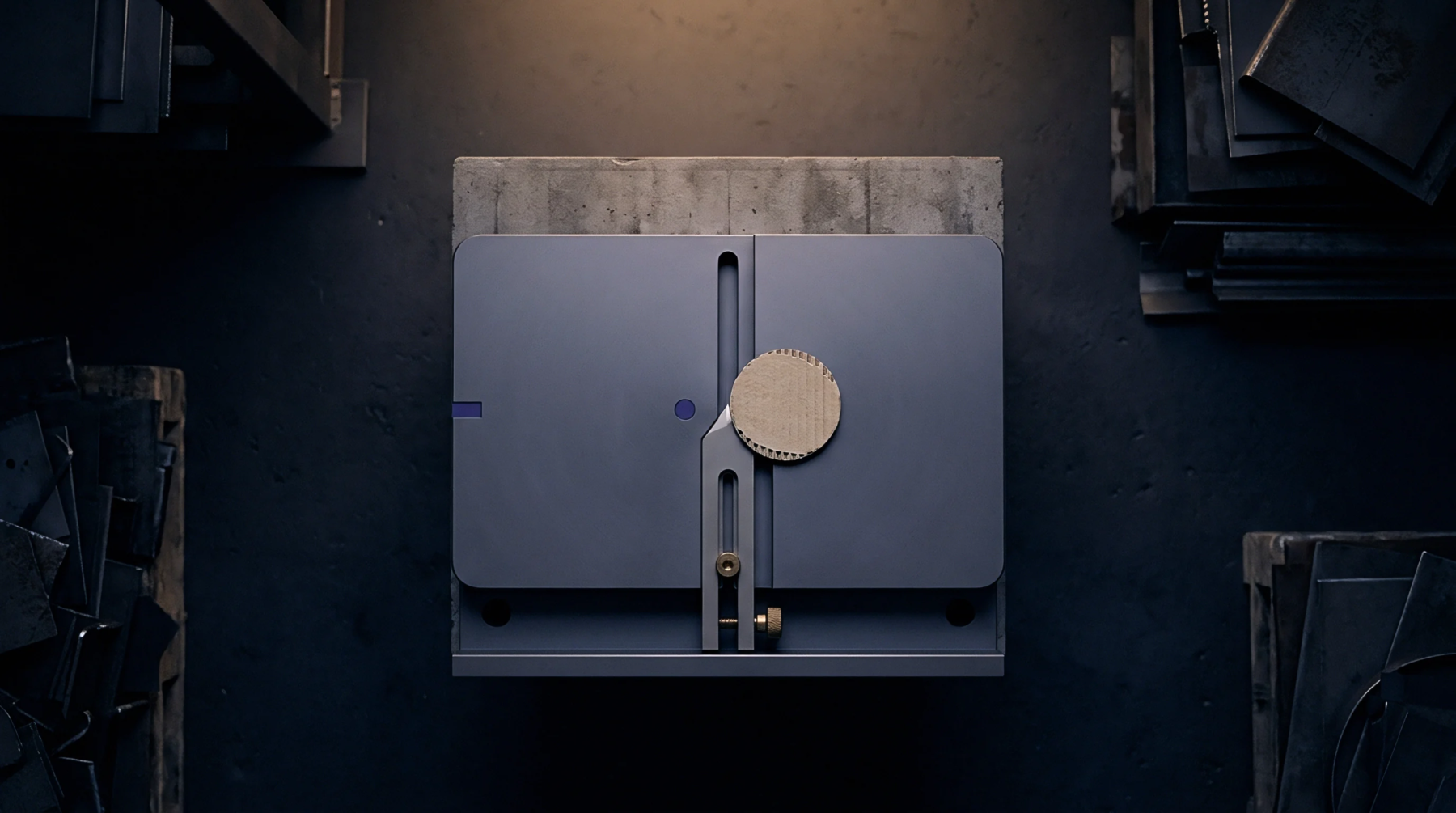
Substrate Integrity
Uncoated paperboard fails along internal structural planes when bending stresses exceed the internal bond strength of the multi-ply sheet. Micro-cracking fracture describes the localized separation of cellulose fibers and filler particles under mechanical duress without immediate catastrophic rupture of the outer liner. Converting lines experience this internal degradation during heavy creasing operations where high shear forces disrupt the secondary bond network between adjacent plies.
Production managers monitor board caliper and moisture content to maintain structural cohesion during high speed folding carton fabrication.
Creasing Resistance
Board rigidity governs the depth of the crease channel required for clean folding without causing internal structural damage. Excessive compression crushes the inner plies and initiates microscopic fissures that compromise top load performance during distribution. Die-cutting stations require precise clearance settings matching the caliper of the paperboard to distribute mechanical loads evenly across the bend area.
Operators adjust counter plate depths to control the degree of internal fiber displacement during board conversion.
Edge Compression
Crushed internal structures reduce the vertical load capacity of finished corrugated containers and folding cartons. Weakened board edges fail prematurely under warehouse stacking loads when internal fissures coalesce into continuous shear planes. Quality control laboratories measure ring crush test values to verify that base stocks resist internal delamination under sustained pressure.
Laboratory testing protocols evaluate conditioned samples under controlled humidity to isolate mechanical strength from ambient moisture fluctuations.