Production Constraint
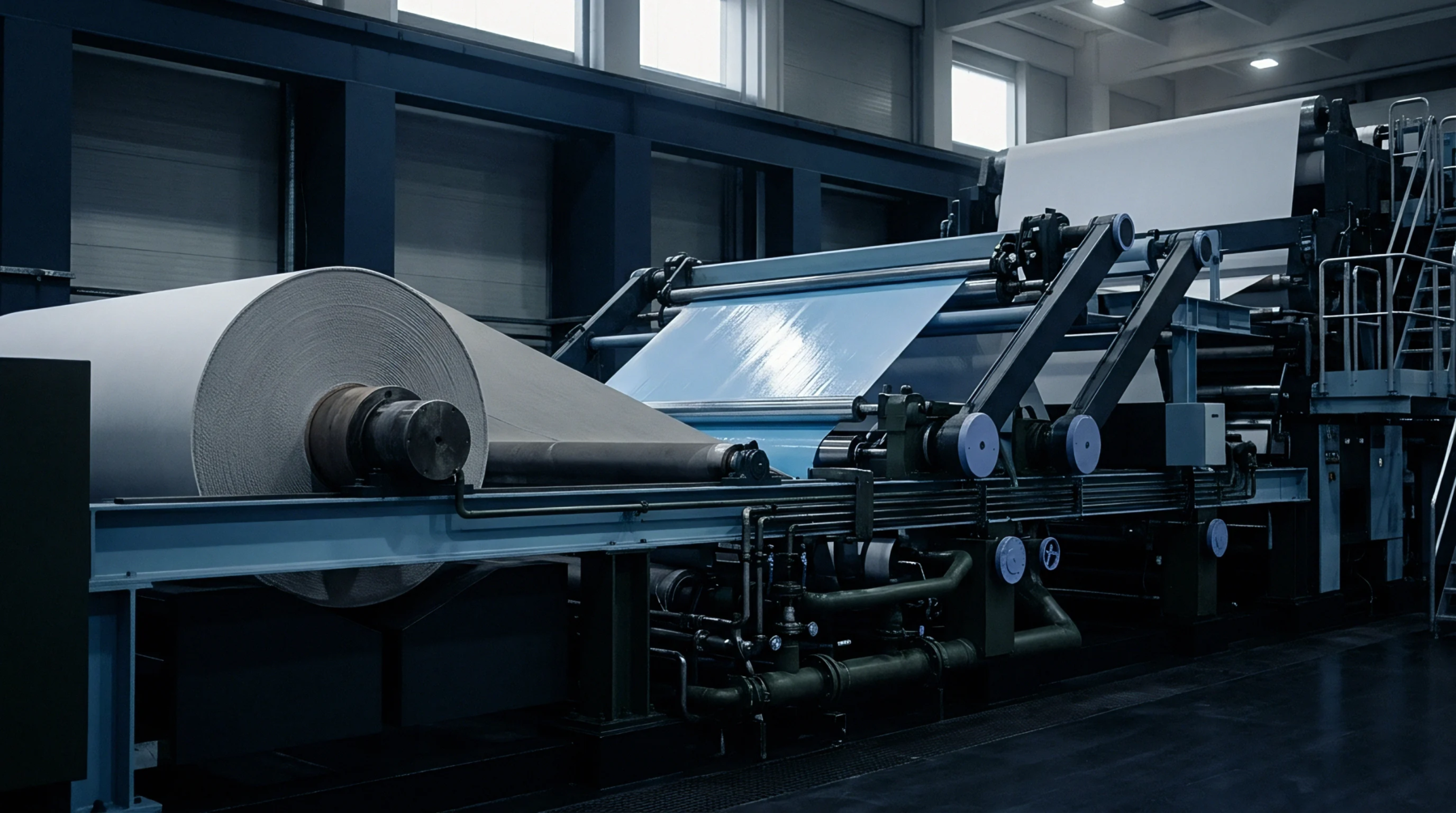
A manufacturing threshold represents the smallest volume of a specific substrate that a primary producer agrees to process in a single production run. The mill minimum order quantity establishes the break point where operational efficiency allows for the setup and running of paper machines without incurring losses from excessive downtime during grade changes. This parameter protects high speed equipment from the inefficiencies of short runs.
Producers define these figures to recover the overhead associated with web width adjustment, chemistry calibration, and quality control verification across the entire width of the machine.
Financial Impact
Procurement teams calculate costs against these volumes to determine total landed price per unit. When an order size falls below the defined threshold, the supplier applies surcharges to account for the underutilized machine capacity and the increased frequency of production cycles. Converting facilities occasionally mitigate these costs by aggregating requirements across multiple end users or by selecting standard grades that align with frequent stock production schedules.
High volume buyers negotiate smaller thresholds based on historical consumption data and long term supply agreements. Inventory management practices adjust to these conditions by balancing the physical space available for stock versus the financial trade off of purchasing in larger, more economical batches.
Operational Tolerance
Variations in raw material demand drive the logic behind these established bounds. Larger machines naturally operate with higher thresholds because the cost of clearing and resetting a massive wet end or coater creates prohibitive expense for small quantities. Specialized technical stocks often carry lower thresholds than commodity grades because the raw materials involved possess higher intrinsic value and the production speed remains lower.
Mills establish these requirements to ensure that the output consistently meets the specified fibre orientation, moisture content, and basis weight stability required for commercial converting equipment. A production system stabilizes when order volumes align with the technical capacity of the machinery assigned to the task.