Ink Transfer
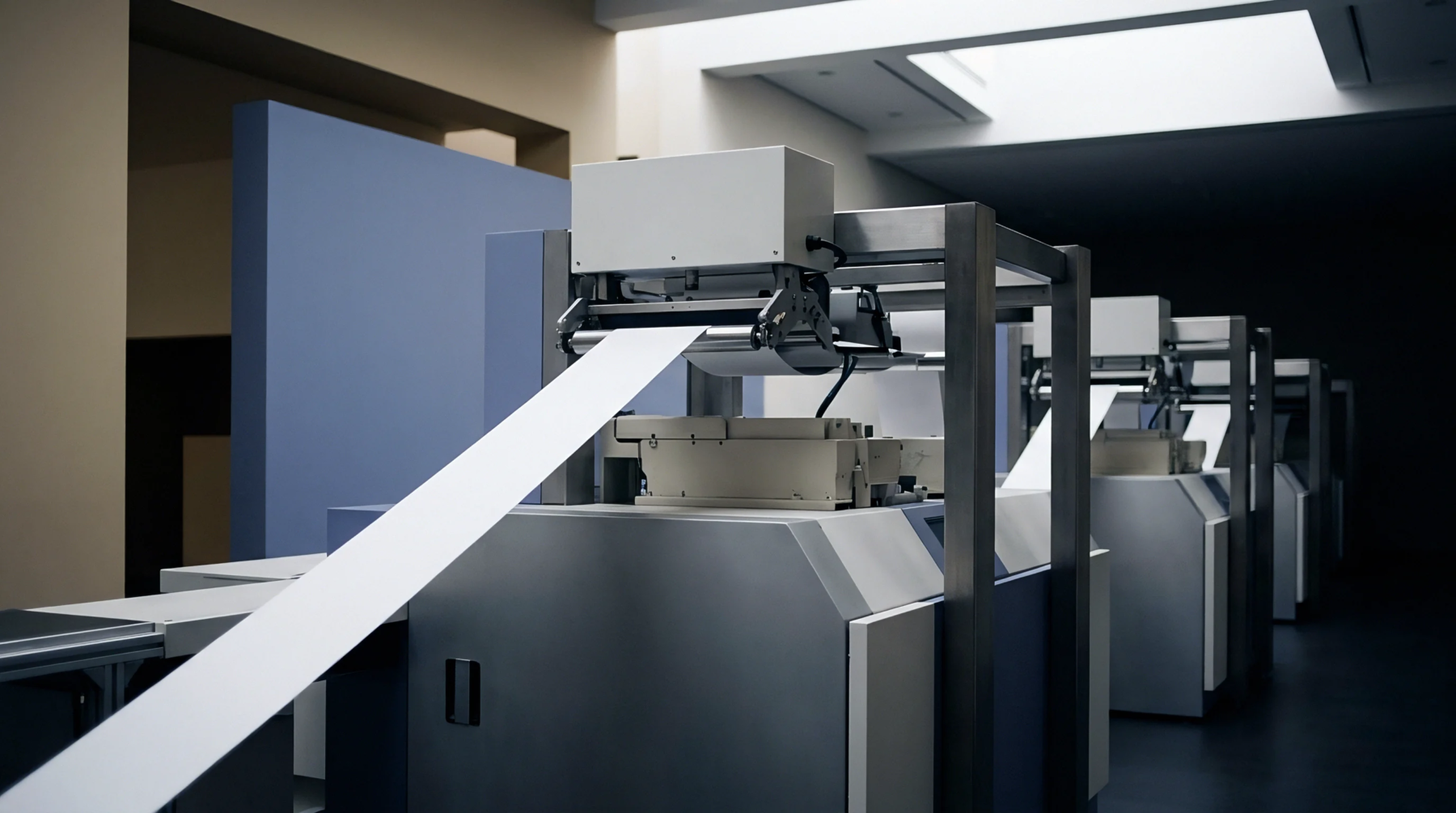
Liquid absorption behavior on porous substrates within fractions of a second dictates the quality of high-speed ink transfer. Dynamic instruments measure millisecond surface wetting by tracking the change in contact angle immediately after a droplet contacts the paper surface. This rapid interaction determines whether an ink droplet spreads evenly or beads up during high-speed printing.
Process Relevance
Industrial inkjet presses and high-speed coating lines apply fluids to paper substrates at velocities that allow less than a tenth of a second for initial adhesion. If millisecond surface wetting is too slow, the ink remains on the surface and causes smearing or bleeding into adjacent colors. Conversely, excessive wetting causes the fluid to sink too deeply, which reduces print density and causes strike-through.
Paper manufacturers adjust the surface sizing with alkyl ketene dimer or starch to control this initial liquid behavior and ensure consistent print quality on automated lines.
Testing Methods
Specialized pressurized liquid dispensers and high-speed cameras capture the droplet profile at microsecond intervals. This dynamic analysis provides data that static contact angle measurements cannot supply. By analyzing the curve of contact angle decay, mill technicians predict runnability on downstream converting equipment.
This quality control step prevents costly printing failures and adhesive bonding issues during carton assembly.