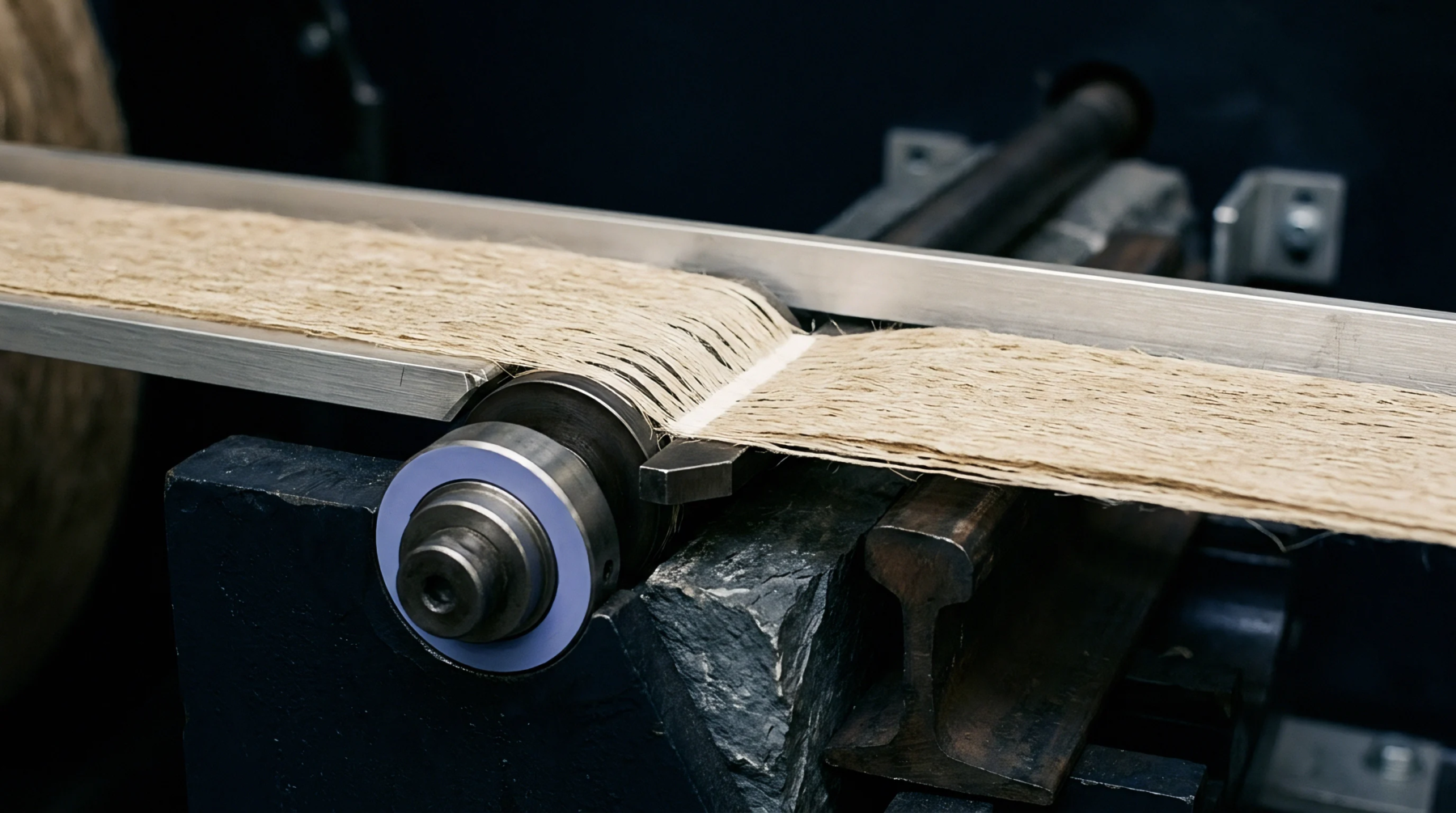
Surface Measurement
Laser triangulation scanning captures the topography of substrate webs to identify variations in height and density. Paperboard profilometry provides the numerical data needed to determine if the thickness of a material deviates from specified tolerances during the manufacturing process. Optical sensors project a line of light onto the moving sheet and compute the displacement of the reflected pattern to build a three dimensional map of the surface.
This technology detects microscale peaks and valleys that influence the adhesion of coatings or the quality of a printing impression. The system functions by converting light intensity into coordinate points across the width of the machine direction to reveal uniformity issues.
Calibration Standard
Industry technicians evaluate the output of these scanners against reference blocks of known height to maintain accuracy in high speed production environments. Variations in ambient humidity or structural vibration introduce noise that must be corrected through the regular application of verified gauge blocks. Standardized blocks allow the hardware to normalize readings across different batches of bleached or unbleached stock.
Corrected data enables the adjustment of calendering rolls to force the material into compliance with the required finish. The mechanical response of the scanning head depends entirely upon the integrity of this initial setup.
Production Outcome
Converters utilize the resulting profiles to optimize the settings of printing presses and flexographic plates that require consistent substrate contact. Variations in height result in uneven ink transfer that creates poor visual output or incomplete coverage on secondary packaging. Uniformity in the board profile ensures that the suction cups and feeding mechanisms in filling lines do not experience erratic resistance or alignment failure.
Real time monitoring prevents the movement of defectively shaped material into the downstream equipment where it would cause a breakdown. A stable profile generates reliable performance for all operations that depend upon precise contact geometry.