Production Waste
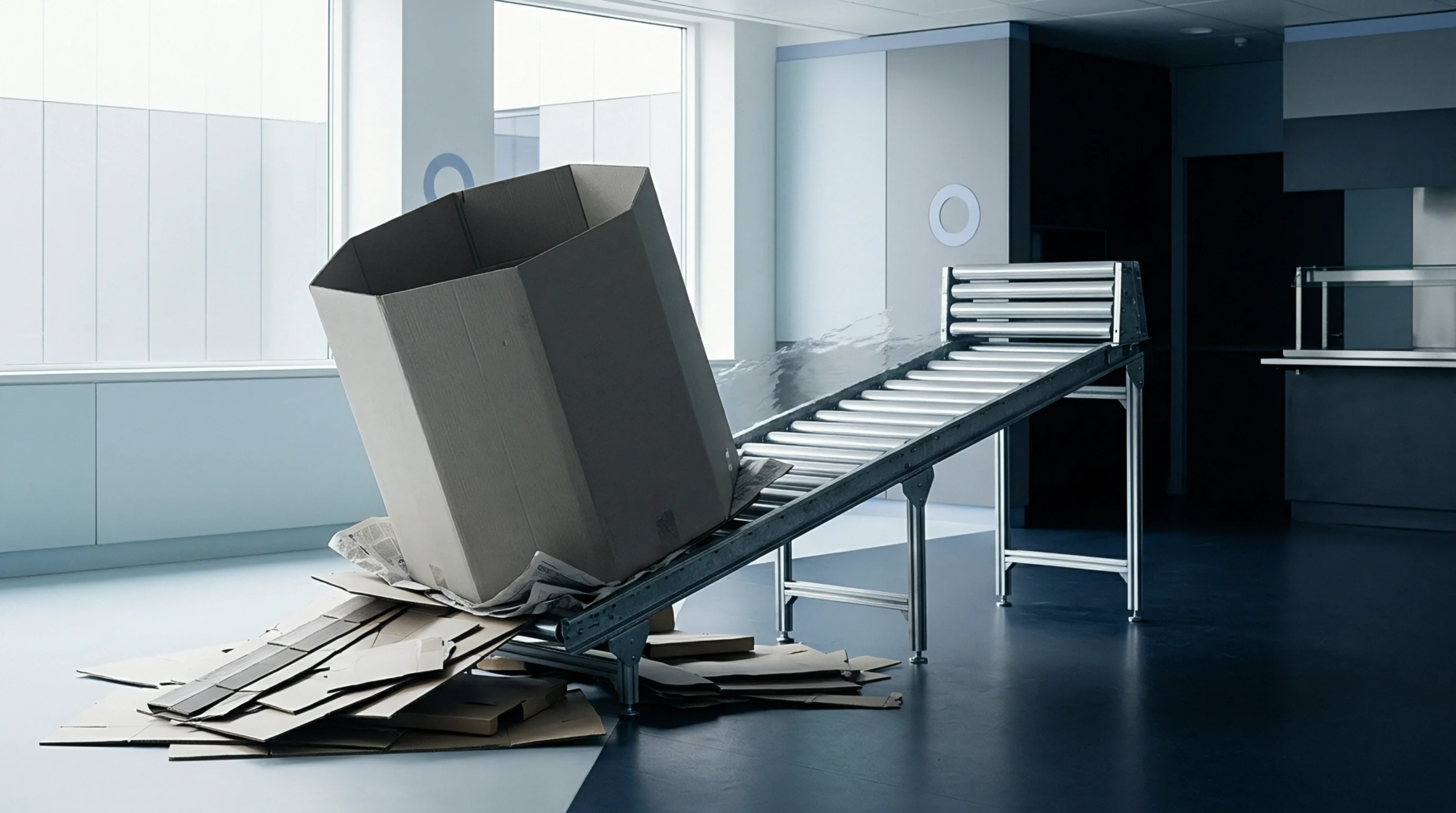
Excess substrate left on the platen die cutter matrix scrap accounts for the non-image areas removed during the stripping phase of carton conversion. This material represents the structural skeleton of the original sheet that held the individual blanks in position while passing through the press. Precise removal of this skeletal frame ensures that final packaging components remain clean and free from hanging fibres or connected debris.
High speed automatic stripping equipment relies upon the consistent physical separation of this waste to maintain continuous production flow. Operators calibrate the equipment to handle the density of the specific paperboard to prevent tearing or jams within the discharge station.
Conversion Efficiency
Proper management of the platen die cutter matrix scrap impacts the total yield of a converting facility. High levels of scrap indicate either poor layout nesting or misaligned stripping pins that force unnecessary paper into the waste stream. Recovering these clean trimmings for high quality recycling requires a dedicated handling system that separates the trim from the finished product immediately at the discharge end.
Automated bailing units collect this material to minimize human intervention and floor congestion. Systems that fail to move the trim efficiently will cause intermittent machine stops that reduce the throughput of the entire line.
Economic Consequence
The volume of platen die cutter matrix scrap influences the net cost of production by changing the raw material usage per thousand units. A narrow scrap ratio provides a gain in the total board area converted into saleable items from every pallet delivered by the paper mill. Excessive waste generation increases the weight of material that must be transported and reprocessed by the mill rather than the converting plant.
Effective nest design remains the most effective method for controlling the balance between structural integrity of the sheet and the total weight of the discarded trim.