Dimensional Boundary
Dimensional limits specify acceptable variations in the axial length of slit paper rolls relative to target order dimensions. Manufacturing standards define roll width tolerance as the allowable deviation range, expressed in millimeters, between actual measured roll width and nominal ordered roll width. Strict compliance prevents operational disruption during web feeding on printing and converting equipment.
Slitting Accuracy
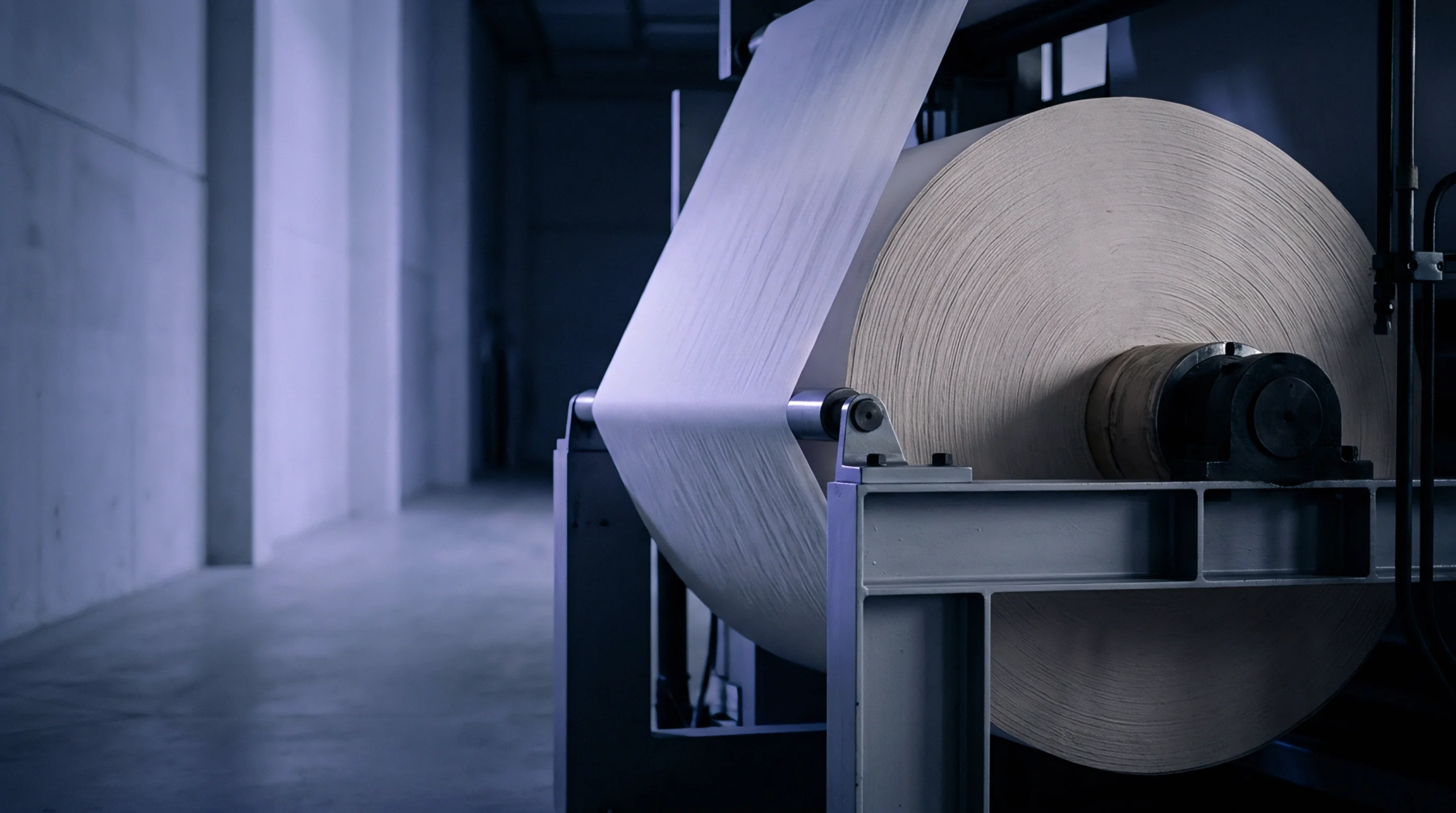
Slitter rewinders cut wide parent webs into narrower rolls using rotating shear knives set to precise axial positions. Mechanical vibration, knife wear, thermal expansion of slitter shafts, and minor web weave cause small variations in slit width along the roll length. Mills set target manufacturing tolerances, typically within plus or minus one millimeter, based on customer requirements and converting machinery limits.
Undersized rolls cause edge-alignment failures, unprinted side margins, and web guide hunting on web offset presses. Oversized rolls jam within roll stands, collide with mechanical side stops, or overhang printing press cylinders, damaging web edges. Maintaining tight width control requires routine knife calibration and active web edge guiding during slitting operations.
Process Impact
Precision steel rules or optical measuring systems verify roll width across multiple points on the roll perimeter. Non-compliant rolls exceeding specified dimensional limits lead to converter rejections and automated line stoppages. Roll width tolerance establishes the physical boundary for acceptable reel dimensions delivered to converting facilities.