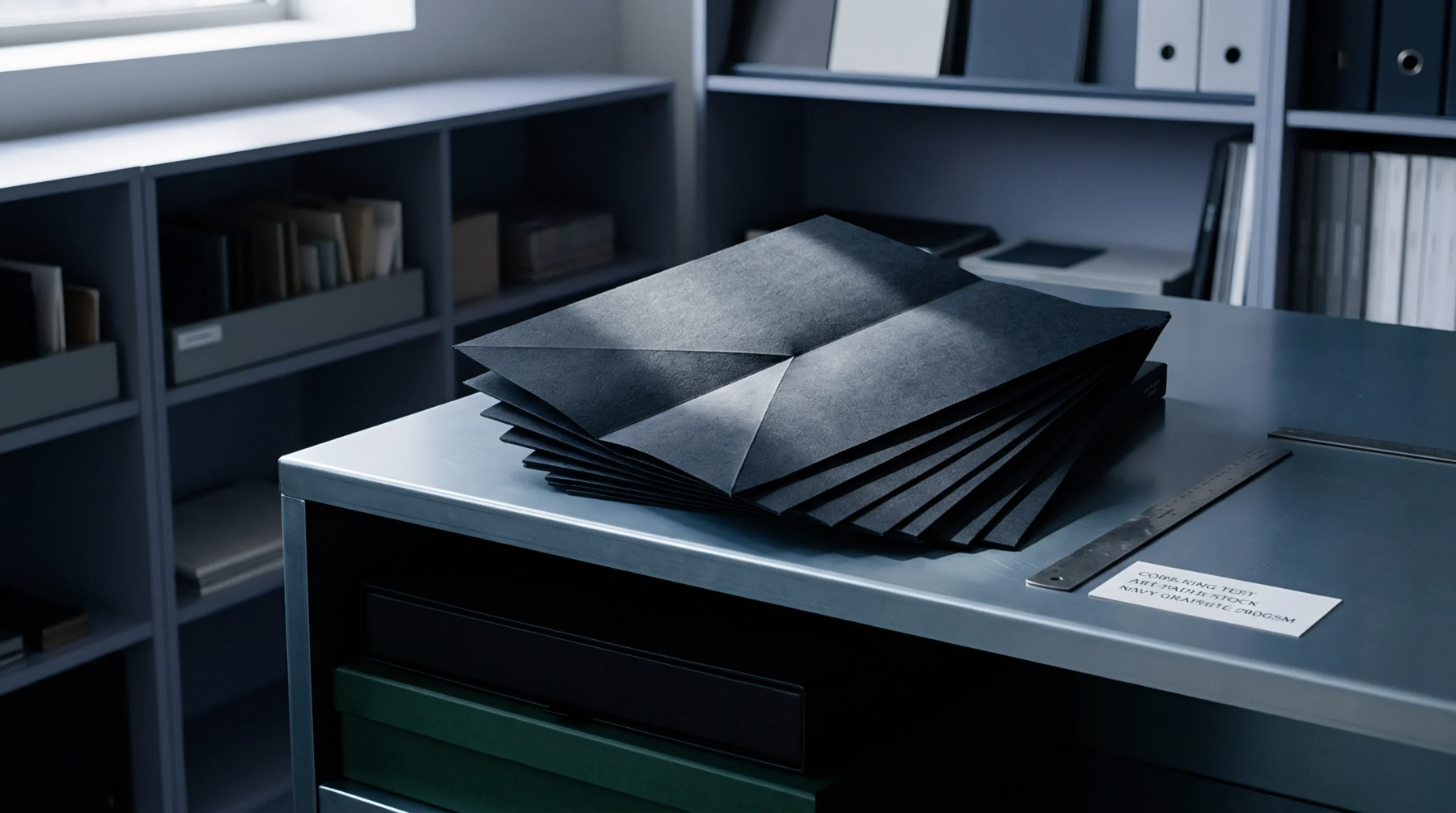
Ply Deformation
Structural mechanics within multi-ply paperboard govern how internal fibre layers behave when subjected to concentrated transverse creasing forces. In die-cutting and cartonboard creasing, shear delamination zone refers to the localized internal region where middle plies separate along their horizontal plane under the combined action of a male creasing rule and female counter-matrix. Creating this internal separation zone is necessary to convert rigid, stiff paperboard into a flexible, functional carton hinge without fracturing the tension-stressed outer liners.
Creasing Mechanism
Tooling geometry establishes the precise boundaries of this deformation area during the initial impression stroke. When the creasing rule pushes the paperboard into the counter-die channel, intense shear stresses develop between the outer tension liner and the inner compression liner, breaking the inter-fibre hydrogen bonds within the bulky mechanical or recycled middle plies. This process creates an internal shear delamination zone that permits the individual plies to slide independently over one another during folding.
High-bulk mechanical pulps in the core plies promote controlled delamination, whereas overly dense or poorly bonded sheets resist internal shear, shifting the mechanical stress directly to the outer surface plies and causing catastrophic liner rupture.
Cracking Prevention
Proper internal ply separation allows the board to form an internal hinge bead that absorbs compressive strain when folded ninety or one hundred and eighty degrees. Without this localized internal delamination, surface coatings and printed ink layers crack open along the fold lines, destroying carton barrier properties and degrading visual packaging quality.