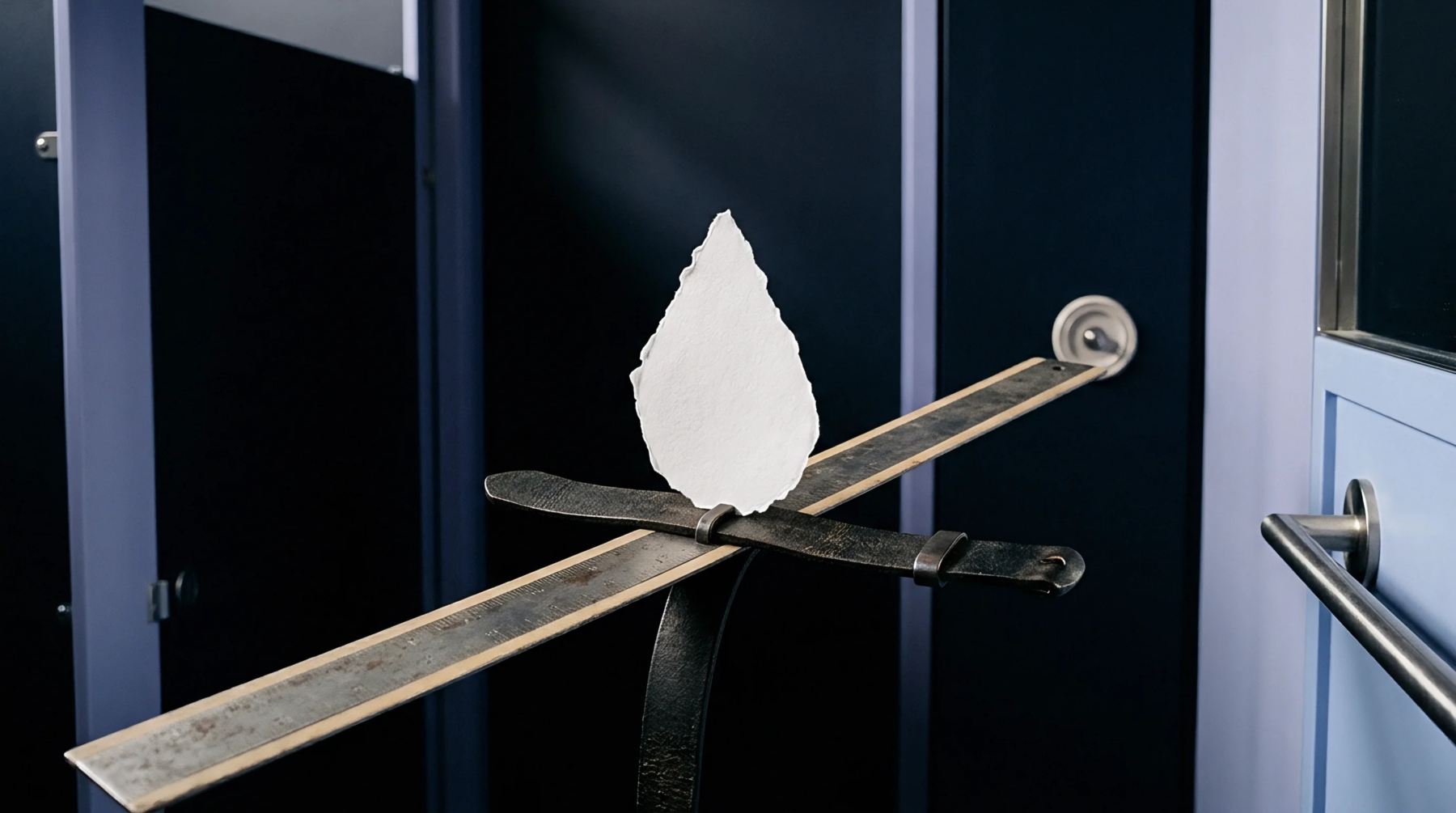
Mechanical Threshold
Internal stress boundaries govern the transition where paperboard materials shift from recoverable elastic deformation to permanent plastic shear failure under transverse loads. Reaching the shear yield point marks the exact mechanical threshold where inter-fibre bonds begin breaking permanently within the paper matrix. Material testing configurations measure this property through out-of-plane shear tests, short-span compressive testing, and punch shear evaluations.
This parameter dictates how cleanly a paperboard substrate will shear during rotary slitting, guillotine trimming, and die-cutting operations. Substrates exhibiting high shear thresholds demand increased cutting tool tonnage and produce distinct failure dynamics during converting.
Fibre Fracture Dynamics
Internal shear resistance depends directly on fibre orientation, degree of refining, wet-end bonding agents, and internal ply density. When cutting blades penetrate the sheet, initial elastic shear stress builds up linearly through the cross-section until reaching the shear yield point. Once applied forces exceed this critical boundary, permanent plastic deformation occurs, culminating in micro-cracking and final fibre cleaving along the maximum shear plane.
In dense bleached chemical pulp boards, this transition is abrupt, resulting in clean, snap-like edge separation with minimal fibre pull-out. In loosely formed recycled boards or multi-ply folding boxboards with high-yield mechanical pulp cores, the yield boundary is diffuse, leading to localized ply delamination before complete failure occurs. Moisture content alters this mechanical threshold, as higher water volumes plasticize the cellulose matrix and depress the shear threshold.
Creasing operations deliberately load the paperboard past its internal shear boundary without exceeding the tensile limit of the surface liners, creating an intact internal hinge. Tool sharpness directly dictates whether local cutting forces hit this yield point cleanly or crush the sheet through widespread compressive damage.
Process Control
Slitting systems rely on sudden yield failure to minimize cutting dust generation during continuous rewinding. Low shear yield resistance facilitates rapid knife penetration at reduced machine power, though it frequently correlates with poor carton panel rigidity and weak box corner strength. Optimised refining regimes balance high ultimate stiffness against clean shear characteristics during converting operations.