Fiber Strength
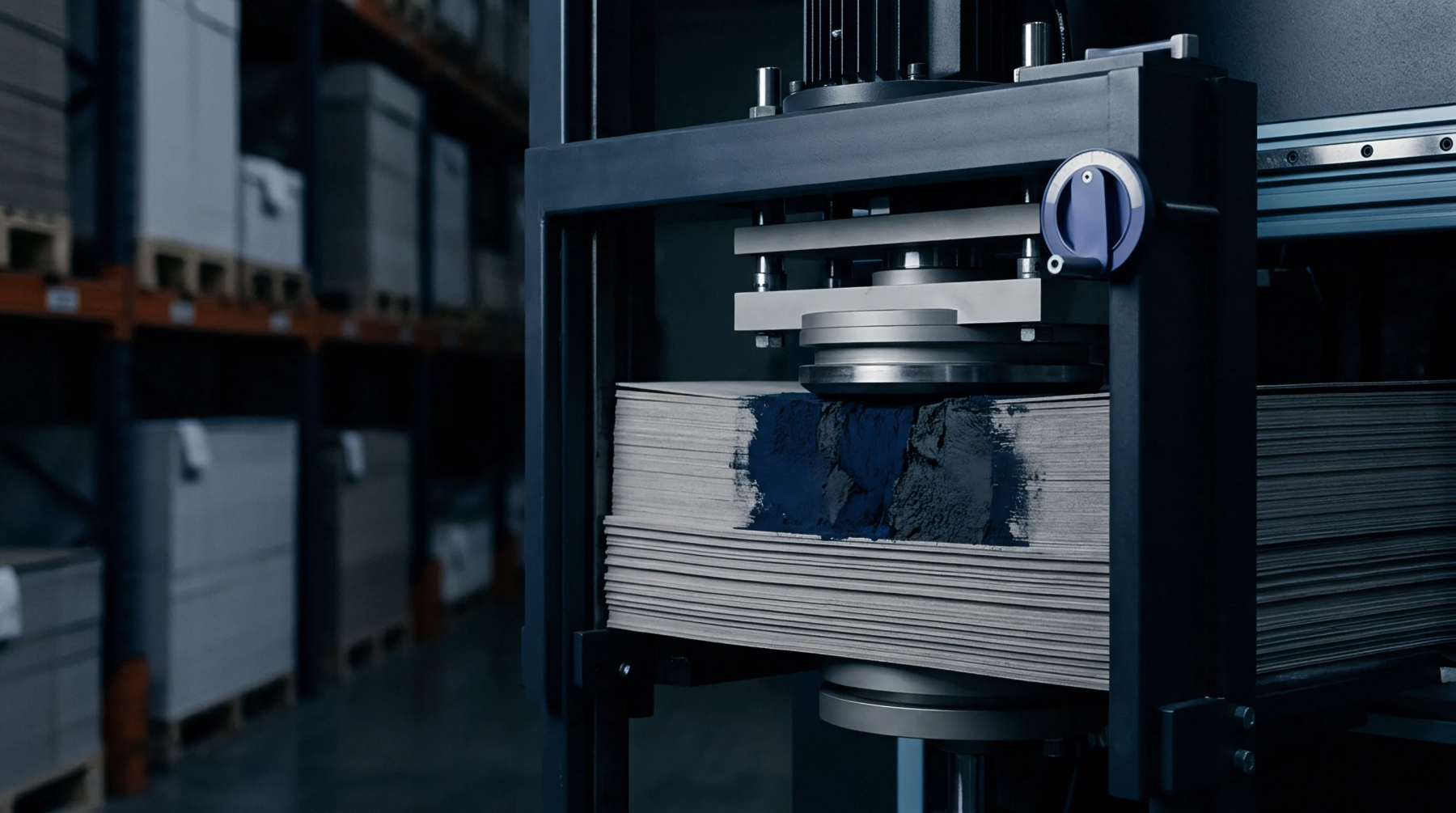
Cellulose fibers derived from the mechanical grinding of coniferous trees provide a high-bulk, high-strength filler material for multi-ply paperboard grades. Softwood mechanical pulp contains long, flexible fibers that intertwine to form a strong, resilient network within the sheet. This material provides the bending stiffness and bulk required to keep lightweight cartonboards from sagging or buckling under load.
Internal Bulk
The mechanical process retains the natural lignin in the spruce or pine fibers, which keeps the individual fibers stiff and prevents them from collapsing during the pressing and drying stages. This stiff, tubular structure creates a high-volume sheet with a high proportion of internal air voids, which is the key to achieving high thickness with minimal weight. When used as the core layer of folding cartonboard, it provides the spacing between the outer plies that is essential for high bending stiffness, making it possible to produce durable retail boxes that weigh significantly less than those made from 100% chemical pulp.
Board Runnability
These long, mechanical fibers also improve the tear resistance of the sheet, allowing the board to run smoothly through high-speed printing presses without tearing. If the fiber length is too short, the board may crack along the fold lines during die-cutting and folding. Using softwood mechanical fibers in the middle ply of the board helps ensure that the carton maintains its shape and holds its score lines through the automatic filling and sealing processes.