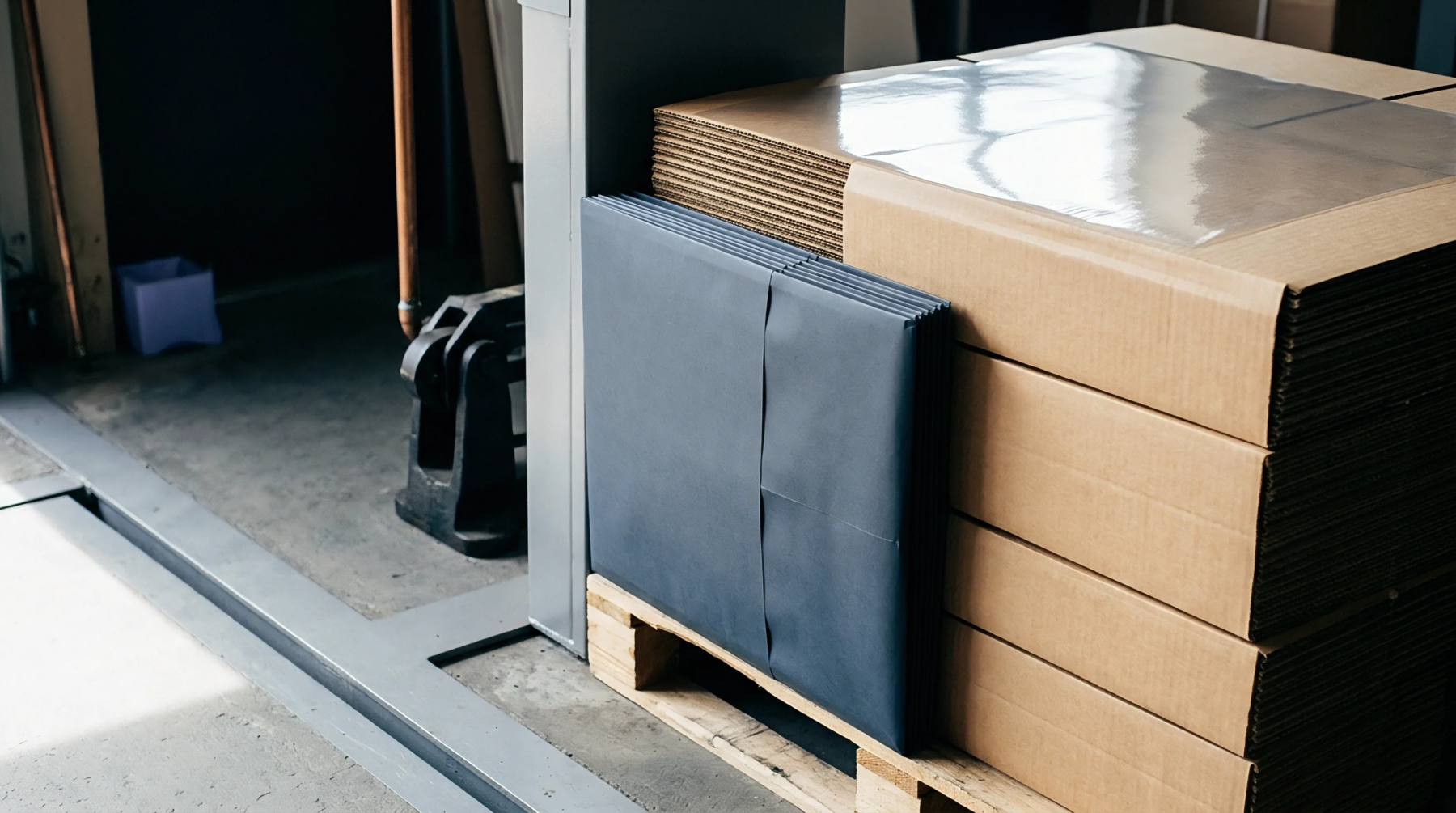
Moisture Endurance
Polymer emulsions and dispersion coatings constitute a water resistant adhesive when applied to folding carton blanks during high speed converting lines. Coater stations lay down specific dry gram weights onto virgin kraft boards to prevent joint failure under chilled storage conditions. Hydrophobic segments within the formulation crosslink during the drying tunnel phase to block liquid ingress at the glued flap interface.
Packers demand zero delamination when frozen food cartons experience condensation buildup during transport from chilled distribution hubs to retail freezers. Converting plants monitor open times closely to ensure bond formation happens before compression belts release the glued blank.
Polymer Bonding
Polyvinyl acetate dispersions modified with acrylic co monomers deliver the shear strength necessary for demanding paperboard packaging applications. Emulsifying agents keep the polymer chains suspended until evaporation triggers particle coalescence and film continuity across the porous substrate. Aqueous penetration into the paper fibres creates mechanical anchors that resist high humidity environments without softening the dried glue line.
Adhesive coat weights exceeding standard limits cause excessive moisture retention in the corrugated fluting and lead to board warp down the converting line. Coater operators adjust drying temperatures dynamically to match line speeds and prevent blistering on clay coated paper stocks.
Application Parameters
Slotted nozzle applicators deposit bead patterns precisely onto board flaps before immediate mechanical compression secures the joint prior to palletization. Viscosity control systems maintain consistent fluid delivery across varying ambient temperatures found within industrial converting facilities. Shear stress values increase as the crosslinked polymer network ages on the carton surface over twenty four hours.
Packaging engineers specify minimum tensile strength requirements to guarantee carton integrity under heavy stacking loads in humid warehouses. Polymer chemistry modifications improve thermal stability and prevent joint creep when packaged goods undergo sterilization or hot fill processing.