Production Efficiency
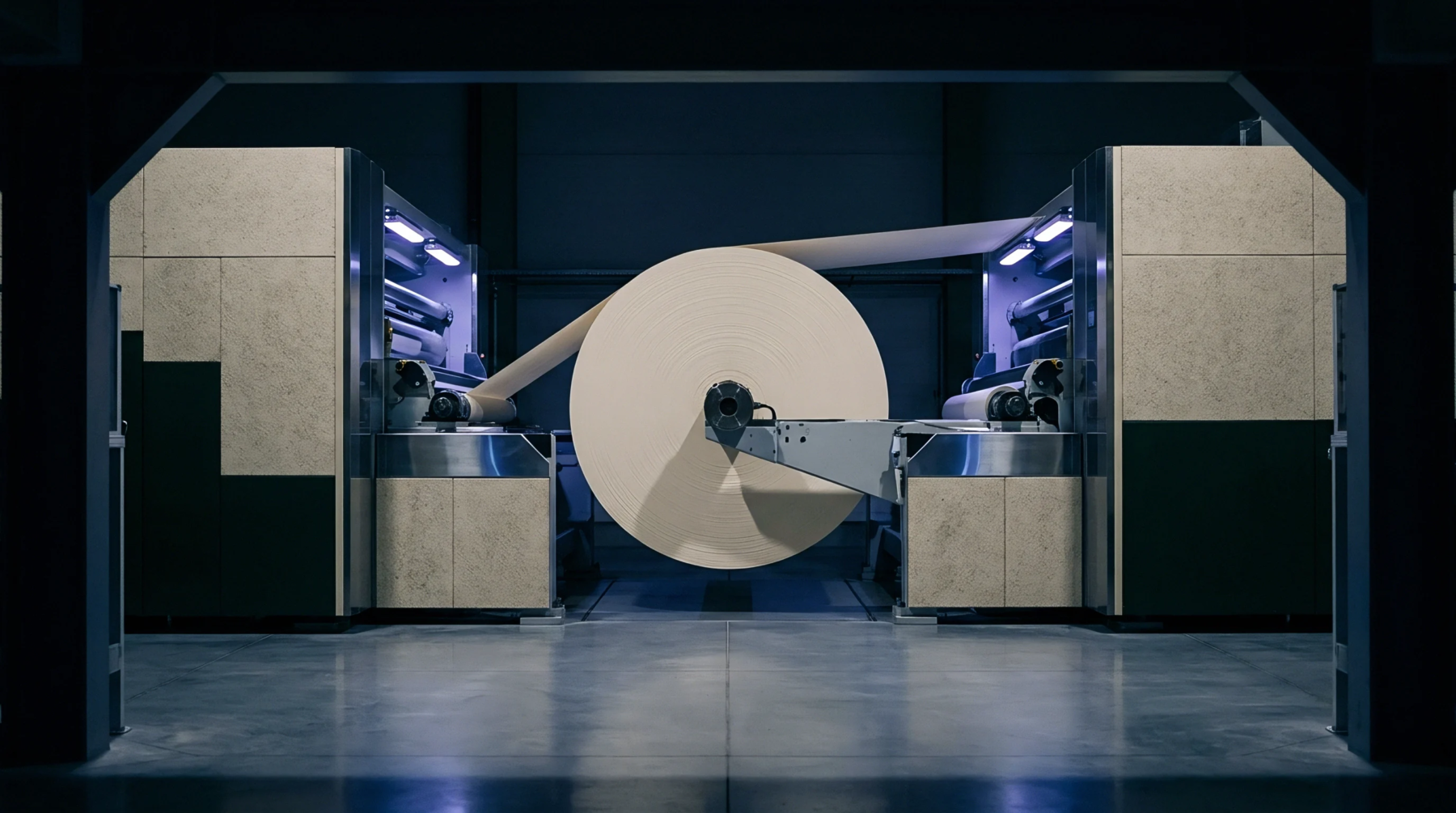
Paper machine operational capacity represents the total printable surface area produced relative to the maximum possible width of the forming fabric. Web deckle utilization accounts for the ratio of the finished roll width to the full untrimmed sheet width exiting the press section. This metric defines the physical efficiency of the primary manufacturing apparatus.
Consistent monitoring of these margins reduces the financial burden of trim waste. Mills target high percentages to lower unit costs across standard width portfolios.
Operational Margin
Geometric variables dictate the constraints placed upon the forming wire and subsequent drying cylinders. Precise alignment between the primary stock flow and the finished sheet width prevents uneven tension during the drying process. Improper edge control forces excessive trimming at the winder to ensure standard product dimensions.
High values signal that the production line functions near the mechanical limits of its frame. Manufacturers calculate this spread by dividing the total width of the shipping rolls by the full sheet width produced at the reel. A discrepancy exists where narrow orders require heavy slitting and generate high amounts of recycled broke.
Heavy reliance on custom dimensions reduces the overall ratio compared to standard stock sizing.
Material Cost
Economic performance depends on minimizing the volume of board redirected to the pulper. Strategic scheduling of roll widths across the machine duration maximizes the active area of the web. Proper software planning reduces the frequency of slitter resets and increases the volume of saleable tonnage.
Lower utilization rates drive up the energy intensity per shipped ton because the machine occupies the same footprint regardless of the percentage of saleable output. Optimized web deckle utilization represents the single largest factor in the reduction of waste streams within a integrated paper mill.