Production Variable
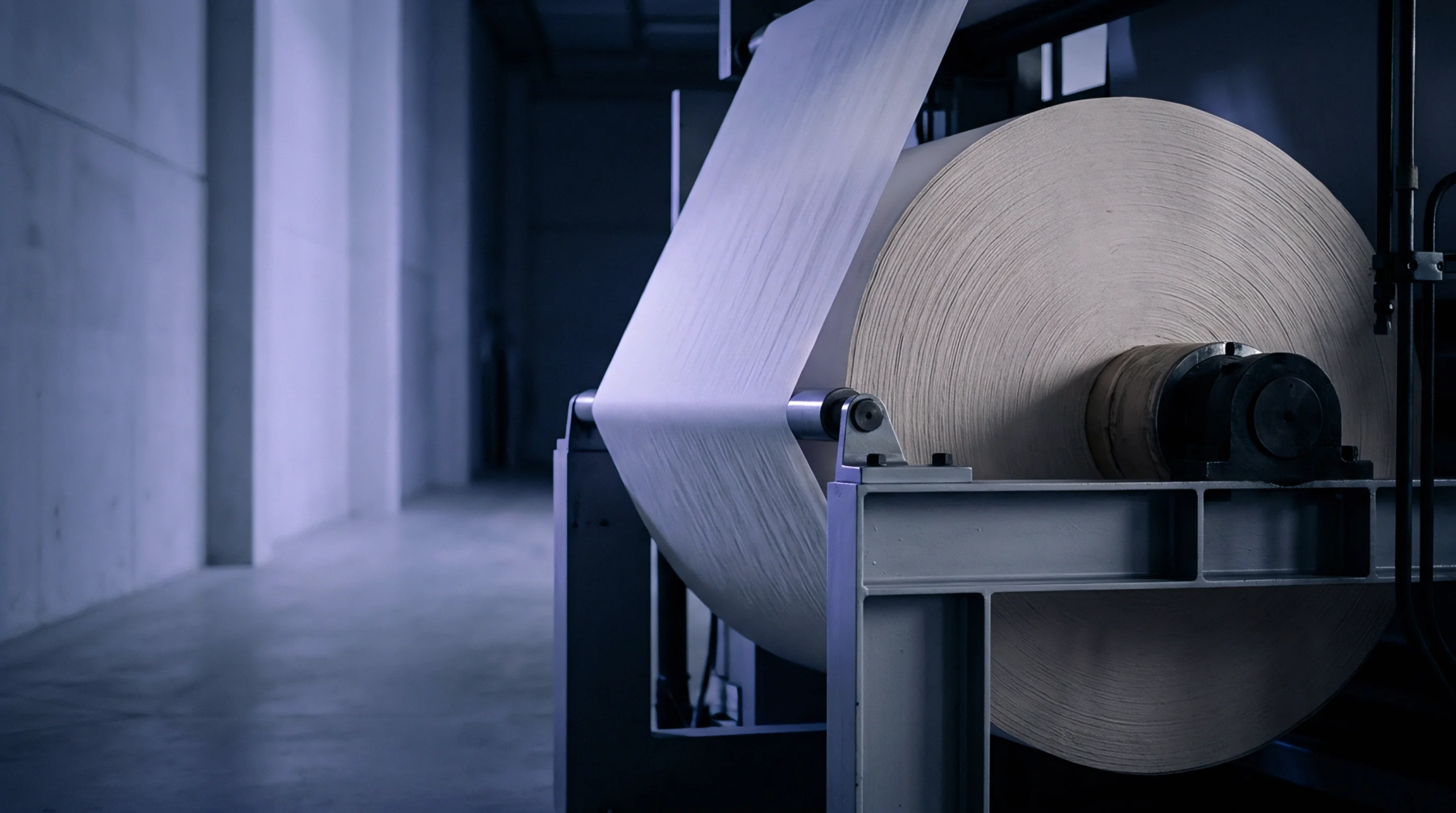
Operational disruption occurs when a paper machine winder ceases its mechanical rotation during the transition between parent roll sets or due to a mechanical failure in the web tensioning system. This winder downtime reduces the net output of a converting facility by forcing the upstream papermaking machinery to operate at a lower speed or to stop completely until the winder cycle resets. Unscheduled maintenance of the slitter blades or automated core loading assemblies creates gaps in production that degrade the overall equipment effectiveness of the entire finishing line.
Technical Measurement
Mill supervisors calculate the total loss of capacity by tracking the temporal interval between the completion of a full set and the start of the subsequent unwinding sequence. Accurate data logging distinguishes between planned maintenance windows, such as blade sharpening or shaft adjustments, and unplanned interruptions resulting from web breaks or sensor failures in the guiding components. Precise timing isolates the specific delay caused by the winder speed profile, which involves the complex acceleration and deceleration phases necessary to maintain uniform sheet density.
Engineering teams identify that shorter transition cycles prevent the buildup of tension differences across the paper web, which otherwise leads to edge cracking during the final slitting phase. These records enable operators to adjust the core alignment tolerances to minimize the time the winder spends idle during manual intervention or automatic set changes.
Economic Impact
Reduced throughput across the finishing department results in a higher cost per ton for finished reels as the overhead burden remains fixed despite a drop in saleable volume. Labor efficiency also declines when machine operators remain idle while waiting for the winder to return to operational status, which interferes with the optimal workflow of the downstream wrapping and shipping stages. Frequent mechanical interruptions place stress on the drive motors and braking systems, forcing a faster cycle of component replacement that increases the capital expenditure requirements of the production unit over time.
Optimized winder performance provides the most predictable method for securing output targets without accelerating the wear on structural mill assets.