Secondary Fibre Mass Balance Verification in Retail Cartons
Verify secondary fiber mass balance via dry-mass yield deductions, scheme ledger audits, and physical fiber length analysis to ensure packaging compliance.

System

Physical Credit Tracing against Mass Accounting Models
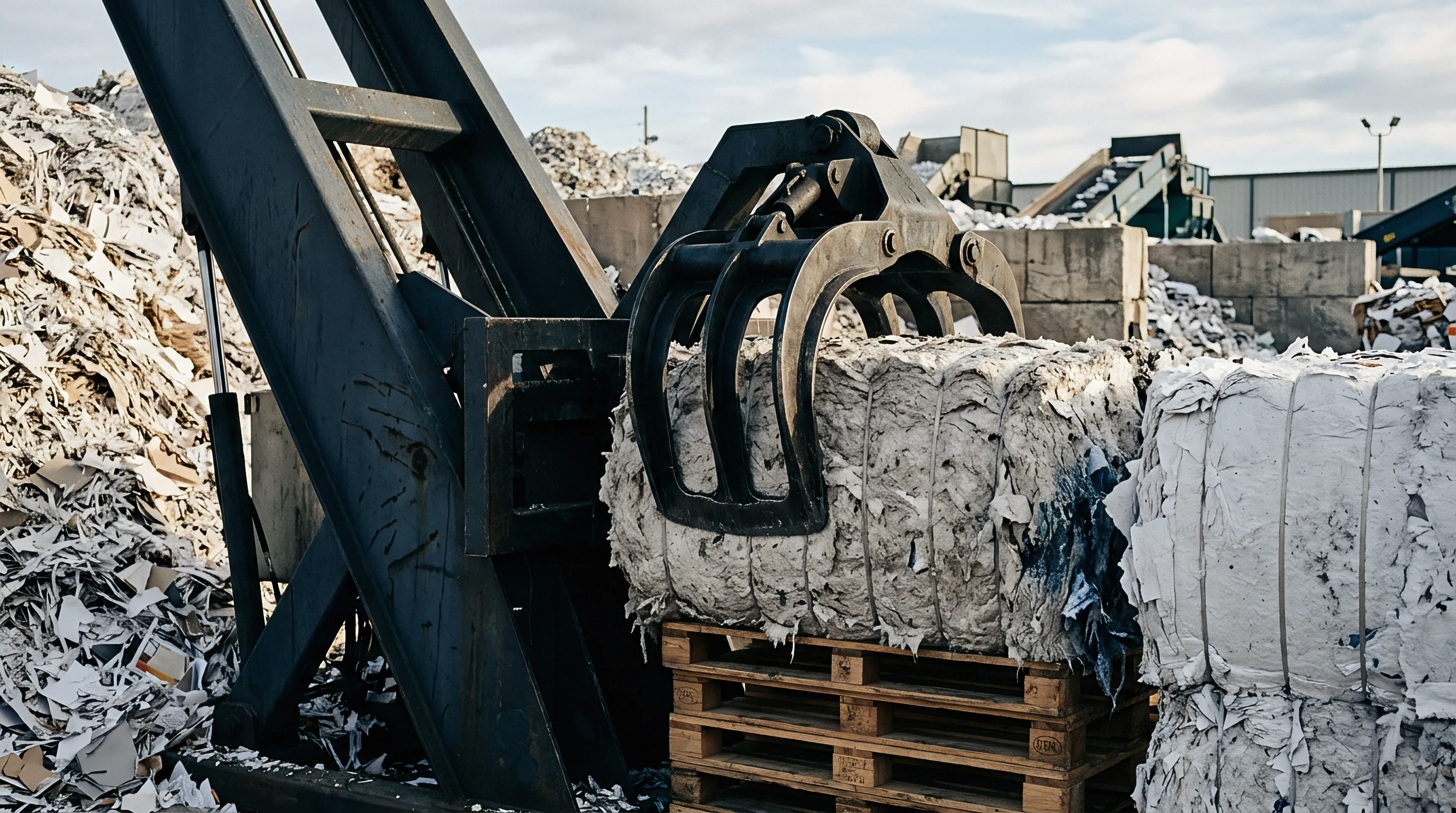
Retail carton packaging specified with secondary fiber claims relies on two distinct chain-of-custody models under international standards such as FSC-STD-40-004 V3-1 and PEFC ST 2002:2020. Physical separation maintains recovered furnish in dedicated pulping circuits and storage silos, guaranteeing that every carton produced contains the exact proportion of recycled fiber stated on its specification sheet. High-speed mill operations often process virgin kraft pulps alongside post-consumer recovered paper streams within shared stock preparation lines.
Physical segregation becomes commercially unviable under continuous inline pulping conditions. Mills deploy mass balance accounting methods to allocate recycled fiber credits across output volumes.
The percentage model calculates the net proportion of secondary fiber entering the pulping process over a defined batch or production run. This percentage applies uniformly to all output produced within that timeframe. If a mill pulps 40 tonnes of post-consumer waste paper alongside 60 tonnes of virgin bleached sulfate pulp, the resulting boxboard carries a 40 percent recycled content claim across the entire batch.
Credit systems operate under a different ledger logic. In a credit accounting framework, input volumes of verified secondary fiber generate claim credits within an inventory ledger. The mill transfers these accumulated credits to a portion of its finished board, enabling 100 percent recycled claims on specific rolls while adjacent rolls produced from the same stock chest carry no claim at all.
Credit ledger entries expire after twenty-four calendar months if unused by the board mill.

Chain of Custody Accounting Mechanisms
Mass balance claims depend entirely on documentary integrity because physical testing of a credit-allocated carton cannot reveal its precise ledger history. Converters purchasing paperboard under a credit claim receive material from a physical batch that may contain a different physical ratio of post-consumer fiber than the printed mark asserts. The claim remains valid under standard chain-of-custody rules provided the mill maintains a balanced inventory ledger audited under scheme regulations.
The gap between physical pulp composition and document-allocated claims creates exposure when packaging specifications encounter regional market regulations demanding physical material content verification.
Discrepancies arise when buyers confuse credit-allocated claims with physical constituent analysis. Scheme regulations permit mills to roll over unused credit balances across consecutive quarterly claim periods, subject to strict maximum duration caps. A mill experiencing supply chain disruptions in post-consumer recovered paper can draw down historical credit balances to ship board carrying recycled content declarations during periods when the actual furnish running through the headbox consists predominantly of virgin wood fiber.
The accounting stays fully compliant with scheme certification while the physical carton landing at the packaging plant carries minimal secondary material. Procurement teams specifying retail board must establish whether their compliance files demand physical fiber verification or ledger-backed scheme certificates to satisfy destination market entry criteria.
Uncertainty remains regarding how border inspection authorities will reconcile pure accounting balances with analytical fiber testing when evaluating imported retail packaging against anti-greenwashing enforcement mandates.


Pulp

Deinking Loss and Fiber Yield Conversion Factors
Conversion from raw recovered paper into finished folding boxboard involves substantial mass loss during stock preparation. Secondary fiber batches arrive at the mill containing moisture variations, non-paper contaminants, fillers, coatings, and short degraded fibers that wash out during pulping and cleaning operations. Accurate mass balance calculations account for these process yield losses using standardized conversion factors rather than raw input weights.
Old Corrugated Containers (OCC) and Sorted Office Paper (SOP) display distinct yield profiles during repulping. SOP undergoing deinking and flotation cleaning to produce high-whiteness secondary furnish for recycled white-lined chipboard (WLC) experiences mass losses ranging between 20 percent and 30 percent. OCC pulped for coated recycled board (CRB) inner plies undergoes less aggressive washing, resulting in yield losses between 8 percent and 14 percent.
If a mill inputs 100 air-dry tonnes of raw SOP into its pulping system, only 70 to 80 air-dry tonnes of usable secondary fiber enter the board machine headbox. Declaring mass balance credits based on incoming bale weight rather than net accepted fiber mass inflates recycled claims beyond physical reality.
Yield metrics vary across mill configurations. Fiber loss shifts with bale quality. Reject rates rise under high contaminant loads.
Processing efficiency governs final yield output.

Worked Calculation of Secondary Fiber Allocation
Consider a packaging board mill producing 1,000 air-dry tonnes of coated recycled board (CRB) at 350 grams per square meter. The mill inputs two raw material streams: 600 air-dry tonnes of grade 1.05.00 Old Kicker Boxes (OCC) and 500 air-dry tonnes of virgin unbleached softwood kraft pulp. Moisture content at bale receiving measures 9.5 percent for OCC and 10.0 percent for virgin pulp sheets under ISO 287 testing procedures.
Raw input mass calculations proceed as follows:
Net dry fiber input from OCC equals 600 tonnes multiplied by 0.905, yielding 543.0 dry tonnes.
Net dry fiber input from virgin kraft equals 500 tonnes multiplied by 0.900, yielding 450.0 dry tonnes.
Pulping and screening efficiency tests establish an 11.2 percent mass reject rate for the OCC circuit (flotation sludge, heavy ragger rejects, fine screening rejects) and a 1.5 percent reject rate for the virgin kraft line.
Accepted dry fiber mass reaching the paper machine:
Secondary dry fiber accepted equals 543.0 dry tonnes multiplied by 0.888, yielding 482.2 tonnes.
Virgin dry fiber accepted equals 450.0 dry tonnes multiplied by 0.985, yielding 443.3 tonnes.
Total dry fiber on machine equals 925.5 tonnes.
True physical mass balance of secondary fiber in the raw substrate equals 482.2 divided by 925.5, yielding 52.1 percent on a dry mass basis. If the mill applies raw bale invoice weights without yield deduction, the calculated percentage reaches 54.5 percent, introducing an unearned 2.4 percent inflation into the credit ledger.
| Furnish Grade | Input Moisture Range (%) | Ash Content Range (%) | Deinking Yield Loss (%) | Net Fiber Conversion Yield (%) |
|---|---|---|---|---|
| Sorted Office Paper (SOP) | 6.0 – 9.0 | 12.0 – 22.0 | 18.0 – 28.0 | 68.0 – 74.0 |
| Old Corrugated Containers (OCC) | 8.0 – 12.0 | 3.0 – 7.0 | 2.0 – 5.0 | 84.0 – 90.0 |
| Deinked Pulp (DIP) Market Pulp | 9.0 – 11.0 | 1.0 – 3.0 | 0.0 – 2.0 | 95.0 – 98.0 |
| Mixed Recovered Paper (MRP) | 9.0 – 14.0 | 15.0 – 25.0 | 22.0 – 35.0 | 58.0 – 66.0 |
Mill conversion factors require adjustments for incoming ash and filler content. Fiber characterization testing must precede batch ledger postings.
- Unadjusted Bale Mass Credit Postings generate systemic over-allocation by treating non-cellulosic contaminants and water weight as usable structural papermaking fiber.
- Omission of Mill Broke Deductions corrupts secondary fiber calculations when dry machine broke containing virgin fiber re-enters the secondary pulping circuit without adjusting the ledger ratio.
- Double Counting Conversion Yields occurs when mills apply standard industry yield tables while simultaneously taking wet-end sludge deductions on internal stock reports.
- Moisture Imbalance Misreporting develops when incoming raw material wet mass is reconciled against air-dry finished product invoices without standardizing to oven-dry moisture equivalencies under ISO 287.
Process yield losses dictate that incoming waste paper mass never equals outgoing certified carton fiber.


Analysis
When Does Mass Balance Fail Laboratory Verification?
Analytical verification of secondary fiber in finished retail cartons relies on structural, microscopic, and spectroscopic examination of the paperboard matrix. While mass balance documentation tracks ledger allocations across supply chains, laboratory testing measures physical fiber traits inside the carton wall. Discrepancies between certified ledger claims and laboratory test results occur when high-credit mass balance packaging contains low physical concentrations of secondary fiber.
Standard fiber species analysis under ISO 9184 utilizes selective chemical staining and optical microscopy to differentiate mechanical pulps, bleached hardwood kraft, unbleached softwood kraft, and recycled fibers. Recycled furnish exhibits distinct morphological indicators: fiber end fraying, micro-fibrillation, hornified cell walls, varied lumen collapse profiles, and residual ink particles adhering to fiber walls. Automated optical image analyzers measure mean fiber length distributions under ISO 16065-1.
Primary virgin kraft pulp displays continuous fiber length distribution curves characteristic of the source wood species. Recycled stock reveals a bimodal or negatively skewed fiber length distribution caused by mechanical cutting during repeated repulping and refining operations.
Secondary fiber length distributions exhibit a distinct shift toward fine fraction fragments smaller than 0.2 millimeters under ISO 16065-1 optical analysis.

Microscopic and Spectroscopy Methods for Recycled Content Verification
Fourier-transform infrared spectroscopy with attenuated total reflectance (FTIR-ATR) identifies chemical markers unique to secondary paper processing. Secondary fiber boards routinely exhibit chemical residues from previous converting cycles, including synthetic sizing agents, wet-strength resins (epichlorohydrin-alkylamines), polyacrylates from adhesives, and fluorescent whitening agents (FWAs). Virgin unbleached board grades lack these secondary chemical signatures.
Radiocarbon dating under ASTM D6866 provides absolute differentiation between bio-based cellulosic fibers and fossil-based synthetic additives or coatings. It cannot distinguish virgin tree cellulose from recycled tree cellulose because both share identical modern radiocarbon ages. Physical fiber quantification relies on morphological characterization combined with contaminant profiling.
Gas chromatography paired with mass spectrometry (GC-MS) isolates mineral oil hydrocarbons to confirm the presence of post-consumer secondary fiber. Post-consumer newsprint and commercial print waste carry residual mineral oil saturated hydrocarbons (MOSH) and mineral oil aromatic hydrocarbons (MOAH) from offset printing inks. Finding MOSH fractions in the C16 to C35 carbon range alongside MOAH fractions in the C16 to C25 range establishes the physical presence of post-consumer recycled paper in the furnish matrix.
A packaging lot certified as 100 percent recycled under a mass balance credit system that demonstrates zero MOSH/MOAH presence under GC-MS analysis reveals a complete disconnect between credit ledger accounting and physical board composition.
Importers presenting mass balance certificates for packaging batches that fail physical microscopic and chemical screening face immediate claim reclassification by enforcement agencies.


Audit

Reconciliation Procedures across Converting Operations
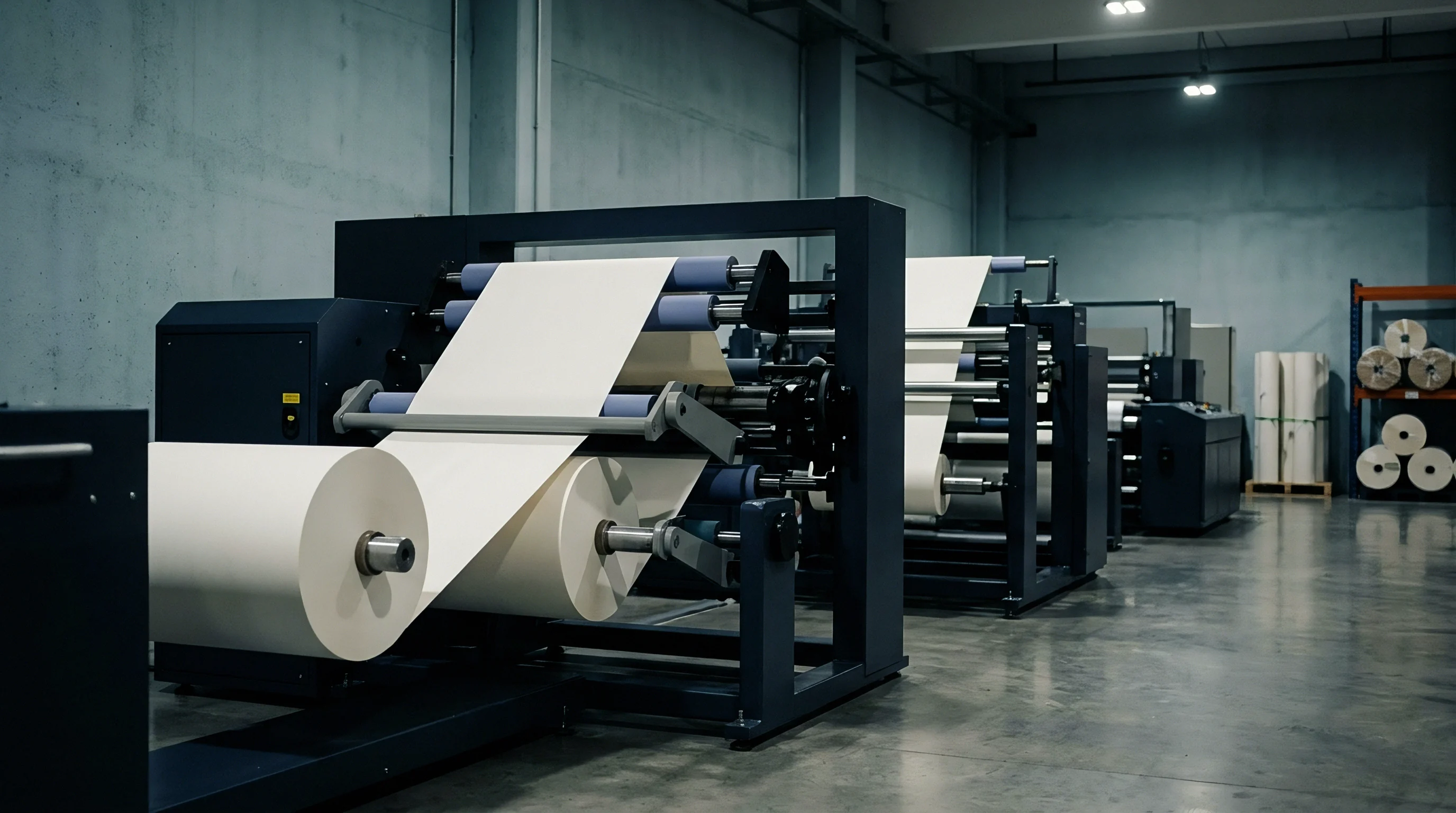
Auditing a mass balance ledger across converting steps requires tracing paperboard reels from mill output to printed carton blanks. Converters take incoming master reels, slit them into narrow rolls or sheet them into flat reams, run them through offset or flexographic printing presses, die-cut the shapes, and glue the side seams. Scrap generates at every processing stage: edge trim, setup sheets, make-ready waste, die-cutting matrix scrap, and rejected cartons.
Scrap handling alters the mass balance ledger balance. Make-ready waste on a high-speed sheet-fed offset press consumes between 1.5 percent and 3.0 percent of total board area during setup. Die-cutting operations create additional matrix scrap ranging from 6 percent on simple straight-line cartons to 18 percent on complex windowed display designs.
If a converter purchases 100 tonnes of certified 80 percent recycled board under a percentage claim system and generates 12 tonnes of die-cutting scrap, the net certified mass shipped to the retail customer equals 88 tonnes. The 12 tonnes of scrap sold to a waste collector carries secondary fiber value back to the pulping mill, but the converter cannot reallocate those scrap credits to uncertified board stock running on an adjacent printing line.
| Reconciliation Metric | Standard Industry Tolerance | Audit Verification Method | Non-Conformity Trigger |
|---|---|---|---|
| Bale Mass vs Invoice Weight | +/- 1.5% | Weighbridge receipts vs ISO 287 dry mass core samples | Variance exceeding 2.0% without moisture correction |
| Mill Process Yield Losses | +/- 3.0% | Monthly stock chest mass balances and sludge dry mass logs | Claiming raw input weight as net certified output mass |
| Converting Scrap Allocation | +/- 1.0% | Die-cutting trim weight logs vs job yield tickets | Applying scrap credits to offset uncertified substrate runs |
| Credit Bank Rollover Duration | Zero variance | FSC/PEFC ledger timestamps vs invoice delivery dates | Claims drawn from credit accounts older than 24 months |

Discrepancies in Mill Credit Ledgers
Discrepancies between physical paper movement and documentary claims surface during third-party surveillance audits. Forensic ledger reconciliation compares input invoices for recovered fiber against outgoing mass balance claims on paperboard delivery notes.
- Verify all incoming raw material invoices to confirm the supplier holds a valid chain-of-custody scheme certificate at the exact date of shipment.
- Cross-check physical weight tickets from certified weighbridges against moisture-adjusted net dry masses recorded in the mill stock accounting system.
- Deduct established process yield loss percentages for the specific furnish grade prior to posting secondary fiber credits into the claim ledger.
- Audit monthly credit ledger entries to confirm total outgoing claim credits never exceed accumulated input credit balances for any rolling accounting period.
- Inspect converting scrap logs to ensure matrix trim from certified runs is segregated from virgin runs and correctly accounted for in final packaging claims.
Mill suppliers frequently explain mass balance discrepancies by claiming that continuous pulping operations prevent exact batch-to-batch physical alignment across output reels.


Liability

Regulatory Enforcement and Unfair Commercial Claims
Green claims legislation across international markets introduces strict liability for misleading environmental declarations on consumer packaging. Regulatory bodies enforce rules that require environmental assertions to be substantiated by verifiable evidence. Stating a recycled content percentage on a retail carton based solely on an internal mass balance credit system creates legal risk if consumer protection agencies interpret the claim as a representation of physical material content.
Enforcement directives target environmental claims that lack explicit qualifiers detailing the underlying accounting methodology. A carton printed with a prominent mark claiming 100 percent recycled fiber constructed from paperboard allocated via a mill credit ledger exposes the brand owner to administrative fines and mandatory product recalls. Regulators require explicit disclosures when mass balance allocation models are used, distinguishing physical constituent claims from certificate-allocated ledger claims.
Customs authorities conducting compliance verifications assess whether import packaging documentation aligns with regional market standards.
Enforcement authorities penalize unqualified recycled claims when physical testing demonstrates zero secondary fiber in the evaluated packaging sample.

Packaging and Packaging Waste Regulation Compliance Gates
The European Packaging and Packaging Waste Regulation (PPWR) establishes mandatory minimum post-consumer recycled content targets for plastic packaging, with escalating scrutiny extending to paper and paperboard structures. Technical documentation supporting packaging compliance must survive audit verification by accredited notified bodies. Relying on scheme credit transfers without physical traceability documentation introduces risk during regulatory audits.
Importers of record assume primary legal liability for packaging declarations on goods entering sovereign markets. Customs inspectors demand technical dossiers containing mill test reports, chain-of-custody certificates, and detailed mass balance ledger reconciliations. Failure to produce valid documentation leads to shipment holds at port facilities and potential re-export orders.
Brand owners must align their packaging procurement contracts with verification standards to protect their supply chain operations.
- Chain of Custody Scope Verification requires validating that every tier of the converter supply chain holds an active scheme code covering the specific packaging grade.
- Analytical Test Report Inclusion demands placing ISO 9184 fiber analysis and MOSH/MOAH extraction data within the technical dossier to support physical content claims.
- Mass Balance Ledger Audits require annual third-party verification statements confirming zero over-allocation of secondary fiber credits across all production facilities.
- Declaration of Conformity Accuracy mandates explicit documentation detailing whether recycled content claims rest on physical separation, percentage allocation, or credit transfer models.
The standard compliance clause EN 13430 establishes that material recyclability declarations must be supported by physical mass balance documentation covering all structural components of the finished carton.
Clause

Contractual Allocation of Mass Balance Verification Risk
Securing secondary fiber claims requires precise legal language in packaging supply contracts. Purchase specifications that merely request certified recycled board leave room for mill-level credit substitution, leaving buyers exposed to enforcement risks in markets that require physical content verification. Contracts must specify the chain-of-custody model permitted for each packaging SKU, establishing clear parameters for physical separation versus mass balance allocation.
Procurement teams must include explicit rights to audit mill inventory ledgers and stock preparation records. Where mass balance credit models are permitted, contracts should mandate maximum credit rollover windows, mandatory yield loss deductions based on tested input grades, and quarterly reporting of physical versus ledger-allocated fiber ratios. Incorporating technical testing protocols into procurement contracts provides legal leverage when delivered board fails microscopic or chemical verification.
| Supply Chain Tier | Primary Compliance Risk | Documentary Evidence Standard | Contractual Indemnity Mechanism |
|---|---|---|---|
| Recrecovered Fiber Merchant | Moisture padding and non-paper contaminant inclusion | ISO 287 dry mass sample sheets and bale sorting logs | Price adjustment penalties based on landed dry mass analysis |
| Paperboard Mill | Over-allocation of credits and unadjusted yield claims | Third-party audited credit ledger and fiber yield reports | Full indemnity for regulatory fines stemming from ledger errors |
| Packaging Converter | Scrap misallocation and uncertified board substitution | Job ticket scrap reconciliations and CoC delivery notes | Rejection of non-compliant lots and batch replacement costs |
| Brand Owner / Importer | Unsubstantiated green claims and customs clearance holds | Complete technical dossier with physical test reports | Legal recourse against non-compliant supply chain partners |

Commercial Specification and Penalty Schedules
Commercial contracts must detail explicit financial remedies when delivered packaging fails verification audits. Penalty schedules should cover administrative fines, product recall costs, repackaging expenses, and legal defense fees incurred due to invalid recycled content claims. Specifying clear liability thresholds ensures that packaging suppliers maintain rigorous quality control and documentary discipline across all manufacturing operations.
Substrate specifications must establish clear acceptable quality limits for physical secondary fiber parameters. Testing schedules should mandate periodic verification of fiber length distributions, chemical contaminant profiles, and optical characteristics by accredited independent laboratories. Binding suppliers to documented mass balance accounting procedures protects brand reputation and ensures full compliance with evolving global packaging regulations.