Optimizing Fiber Wall Densification in Bleached Chemical Pulp Furnishes
Optimize bleached pulp densification via low specific edge load refining and shoe pressing to flatten fiber lumens without sacrificing critical sheet caliper.

Lumen
A digital micrometer applying 50 kPa of static pressure under ISO 534 registers 142 micrometres on a freshly unreeled 100 g/m² sheet of bleached softwood kraft. That measurement reveals uncollapsed void volume inside individual wood cells. Raw bleached chemical pulp carries open tubular structures that resist wet compaction during sheet formation.
Industrial paper converting penalizes high caliper when tensile stiffness and surface smoothness fall short of specification. Compacting that cellular cylinder into a dense ribbon dictates sheet consolidation, bonding area, and final container strength.
Structural Collapse in Bleached Kraft
Delignification removes the rigid polyphenolic matrix that braces native wood tracheids, leaving swollen cellulosic lamellae suspended in water. The cell wall retains water within microfibrillar crevices, maintaining an inflated cross-sectional geometry. Capillary forces during water removal pull opposing internal surfaces together once liquid menisci evacuate the central cavity.
Campbell forces generate negative pressures exceeding several megapascals inside these wet micro-capillaries. Surface tension draws the opposing inner walls into direct contact.
Cell walls collapse inwards. When drying stresses overcome the transverse bending stiffness of the wet cell wall, the cylinder flattens completely. Unbleached fibers retain residual lignin that braces the wall against flattening, whereas full elemental chlorine free bleaching removes these structural buffers.
Bleached kraft fibers collapse more readily than unbleached kraft fibers at equivalent mechanical refining inputs. The resulting sheet exhibits higher density at identical pressing loads.
Wet fibres flatten permanently against rotating steel plates under moderate hydraulic shear.
Morphological Differences across Wood Species
Northern bleached softwood kraft harvested from slow-growth gymnosperms exhibits thick latewood cell walls and broad earlywood conduits. Earlywood collapses under minimal consolidating pressure, forming broad ribbons that maximize contact area. Latewood tracheids resist flattening due to high wall-to-lumen thickness ratios.
They survive low-energy refining as intact tubular rods, creating micro-roughness on the sheet surface. Southern pine presents an even more severe dichotomy, yielding coarse, unyielding latewood tubes that resist transverse compaction even after intense mechanical treatment.
Eucalyptus hard woods behave under an entirely separate mechanical regime. Short fiber lengths averaging 0.8 millimeters pair with narrow central cavities and relatively uniform, moderately thick cell walls. Fiber counts per gram of eucalyptus furnish exceed northern softwood counts by an order of magnitude.
Wall compaction in eucalyptus pulp relies on uniform radial shrinkage rather than dramatic geometric flattening. Transverse compaction develops sheet density through tight packing of small cylinders rather than wide ribbons overlapping one another.
Improper wall compaction leaves measurable flaws across finished paper reels:
- Uncollapsed latewood tracheids project outward from the paper plane, reducing contact efficiency in gravure printing units.
- Intra-sheet pinholes allow liquid coatings and wax barriers to strike through into the sheet core.
- Micro-scale bulk pockets induce localized caliper drift that destabilizes high-speed carton scoring tools.
- Surface linting releases rigid fiber segments during offset printing passes, dirtying blankets within five thousand impressions.
Transverse Compaction of Cell Lamellae
Chemical swelling opens the hierarchical lamellar structure of the secondary wall, particularly within the thick S2 layer. Hydroxyl groups on adjacent cellulose microfibrils hydrate, breaking internal hydrogen bonds and allowing lamellae to slide past one another. The fiber wall softens plastically in this water-saturated state.
Mechanical shear then compresses the delaminated lamellae into a solid, compacted shell. This lamellar consolidation eliminates microscopic voids within the secondary wall itself, raising the true density of the fiber wall material toward 1.50 g/cm³.
| Furnish Grade | Mean Wall Thickness (µm) | Mean Lumen Diameter (µm) | Specific Surface (m²/g) | Collapse Index (0 to 1) |
|---|---|---|---|---|
| Northern Bleached Softwood (Picea mariana) | 2.8 | 14.2 | 1.35 | 0.82 |
| Southern Bleached Pine (Pinus taeda) | 4.6 | 18.5 | 0.95 | 0.54 |
| Bleached Birch Hardwood (Betula pendula) | 3.1 | 8.6 | 1.70 | 0.76 |
| Bleached Eucalyptus (Eucalyptus grandis) | 2.4 | 7.2 | 1.95 | 0.68 |
Mill technical service representatives routinely tell complaining packaging lines that seasonal shifts in wood chip sourcing explain the sudden five-point loss in sheet density.


Shear
Mechanical refining delivers the kinetic energy that forces swollen secondary walls to collapse and consolidate. Refining plates fitted with narrow bars compress and release pulp flocs thousands of times per minute at three to five percent stock consistency. Fluid turbulence alone fails to induce plastic deformation in cellulose structures.
Direct mechanical impact between rotor bar edges, stator grooves, and fiber bundles supplies the localized shear field. These impact events compress water out of the cell wall matrix, generating shear strains that shatter rigid internal bonds.

Low Consistency Refining Mechanics
Rotating tackle imparts cyclic compression-relaxation pulses that propagate through the aqueous pulp suspension. Low consistency refining operates in a narrow window bounded by hydraulic cavitation on the low end and fiber severance on the high end. Stock temperature shifts fluid viscosity, modifying floc thickness as pulp enters the bar gaps.
Operating at 4.2 percent consistency provides sufficient floc cohesion to cushion fiber walls against destructive cutting. Freeness drops rapidly.
High refining intensity cuts pulp fibres into fragile fragments while low refining intensity massages cell walls into dense structural ribbons.
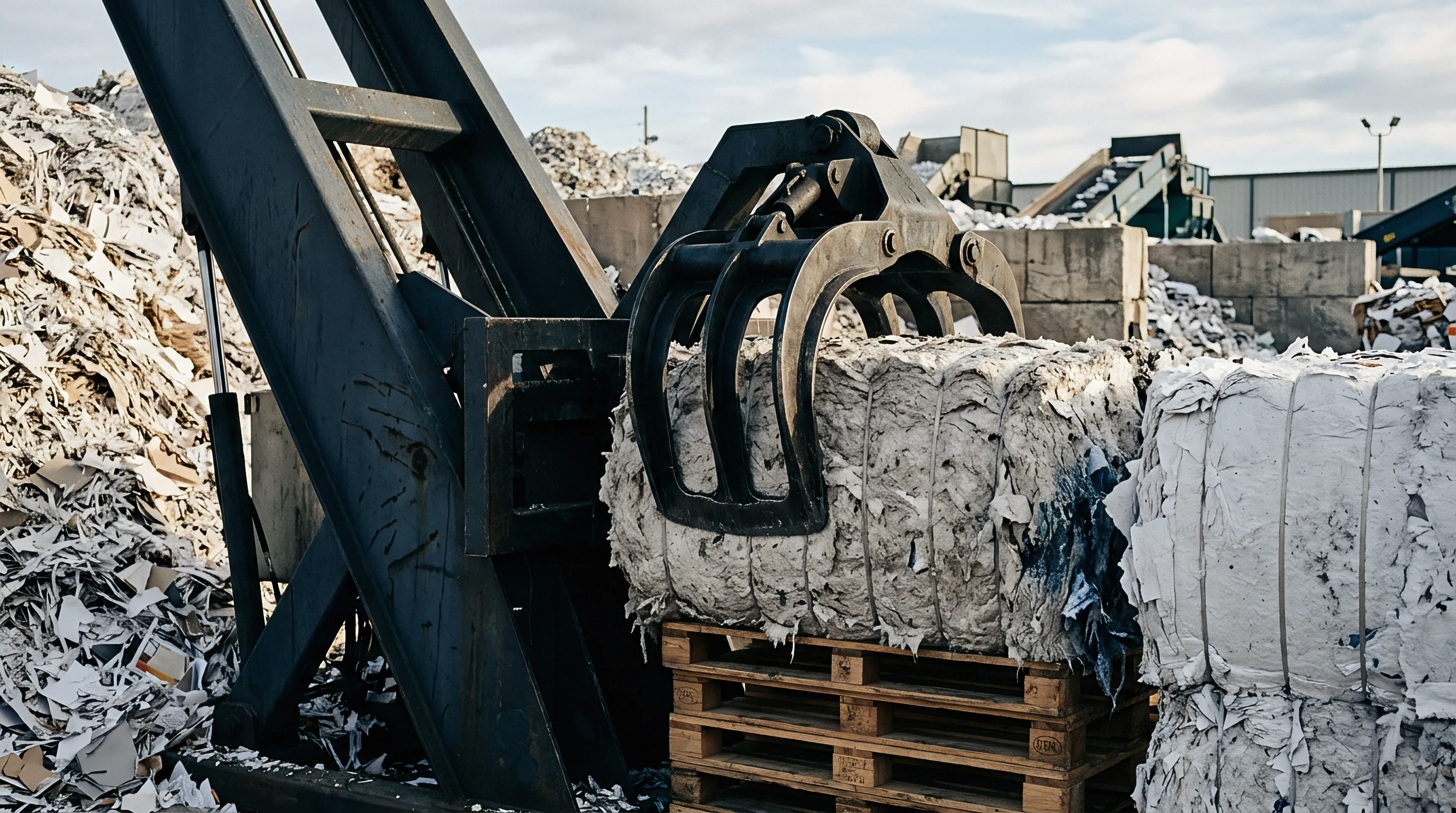
Where Does Internal Fibrillation Overtake Wall Cleavage?
External fibrillation peels fragments of the primary wall and outer secondary wall away from the fiber body, producing hairy fibrils. That surface peeling increases specific surface area without fundamentally collapsing the fiber core. Internal fibrillation breaks coaxial bonds between concentric microfibril lamellae inside the S2 layer.
Delamination softens the cell wall flexural rigidity, allowing subsequent nip pressures to flatten the hollow structure completely.
High refining intensity shears fibers across bar edges, severing tracheids transversely before inner lamellae can delaminate. Specific edge load measures this cutting intensity in joules per meter of bar edge contact. Low specific edge load refines gently through repetitive compression strokes, preserving intact fiber length while working the internal cell wall.
Tensile values climb. Shortening fibers reduces sheet tear strength and increases drainage resistance on the forming wire without yielding corresponding gains in density.
- Stock consistency enters the refining loop stabilized at 4.0 to 4.5 percent solids under mass flow control.
- Specific edge load sets to 1.2 J/m for softwood or 0.5 J/m for eucalyptus using fine-patterned rotor plates.
- Net specific energy ramps incrementally to 75 kWh per bone-dry metric tonne while checking Schopper-Riegler progression.
- Automated plate positioners adjust gap clearance to compensate for bar face wear, keeping edge load within a five percent tolerance band.

Specific Edge Load Distribution
Plate metallurgy and bar geometry determine the ratio of cutting actions to brushing actions. Cast stainless steel alloys retain sharp bar leading edges that cut fiber bodies when net specific energy surges. Nickel-chromium white iron compositions develop rounded edges over run cycles, favoring friction-induced wall delamination over fiber shortening.
Plate wear alters the effective bar angle, shifting energy distribution toward inefficient hydraulic heating. Energy bills escalate.
| Furnish Composition | Specific Edge Load (J/m) | Mean Fiber Length (mm) | Density (g/cm³) | Tensile Index (N·m/g) |
|---|---|---|---|---|
| 100% Bleached Northern Softwood | 1.0 | 2.35 | 0.74 | 84.2 |
| 100% Bleached Northern Softwood | 2.5 | 1.82 | 0.66 | 68.5 |
| 100% Bleached Eucalyptus Kraft | 0.4 | 0.78 | 0.79 | 66.4 |
| 100% Bleached Eucalyptus Kraft | 1.2 | 0.61 | 0.71 | 51.3 |
The unanswered technical question remains whether enzymatic pretreatment can alter the crystalline microfibril matrix enough to induce complete transverse collapse at twenty percent lower specific energy.
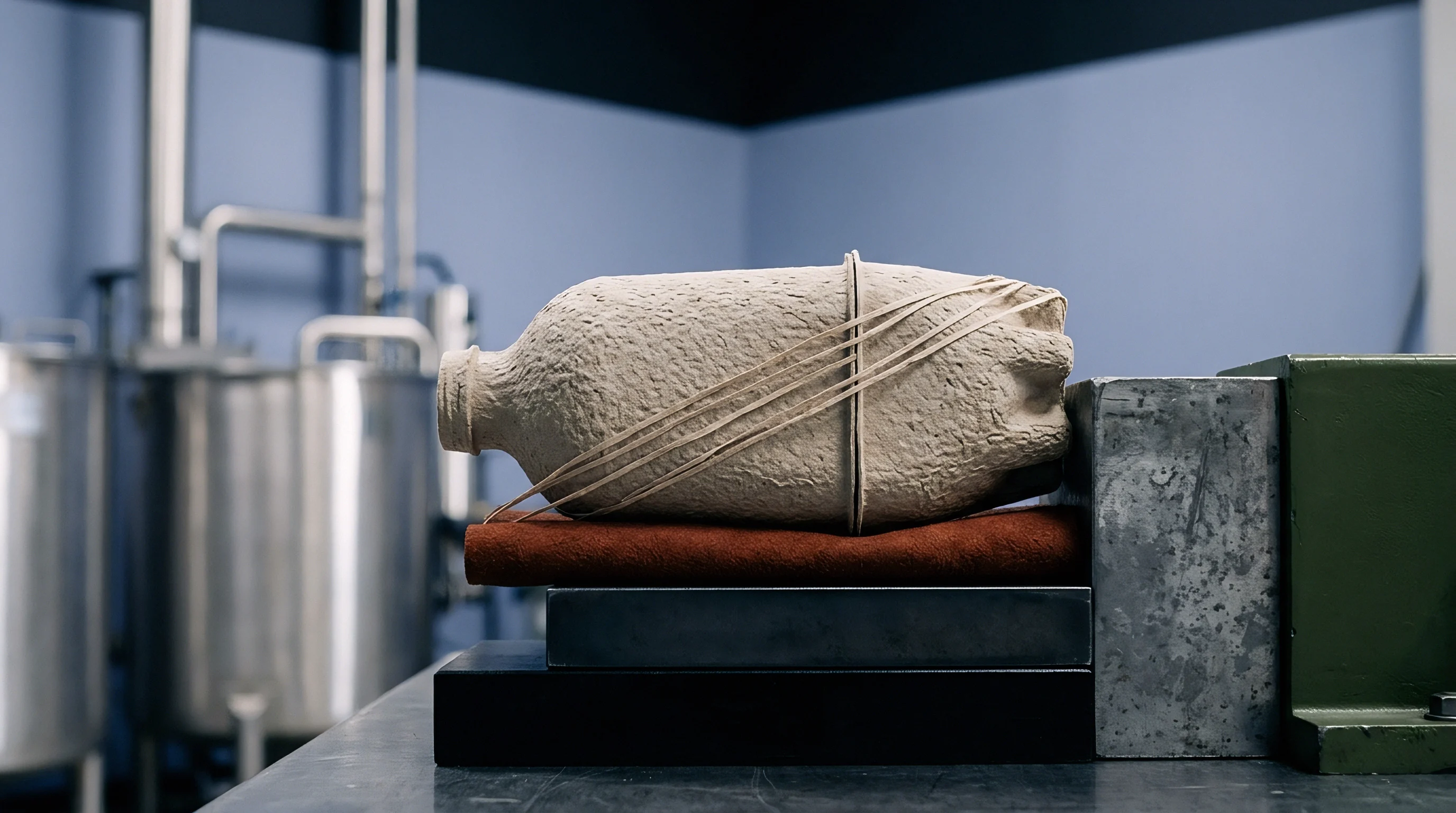

Felt
Water removal on the fourdrinier table creates a wet fibrous network held together solely by physical entanglement and friction. Entering the press section at eighteen to twenty-two percent solids, the sheet carries substantial bulk and delicate internal cohesion. Woven synthetic press felts support the fragile web as it enters heavy steel press nips.
Felt construction cushions the wet sheet, distributing mechanical load across square centimeters rather than localized pressure points. Compaction inside the press nip evacuates free water from cell cavities while forcing delaminated fiber walls into permanent intimate contact.
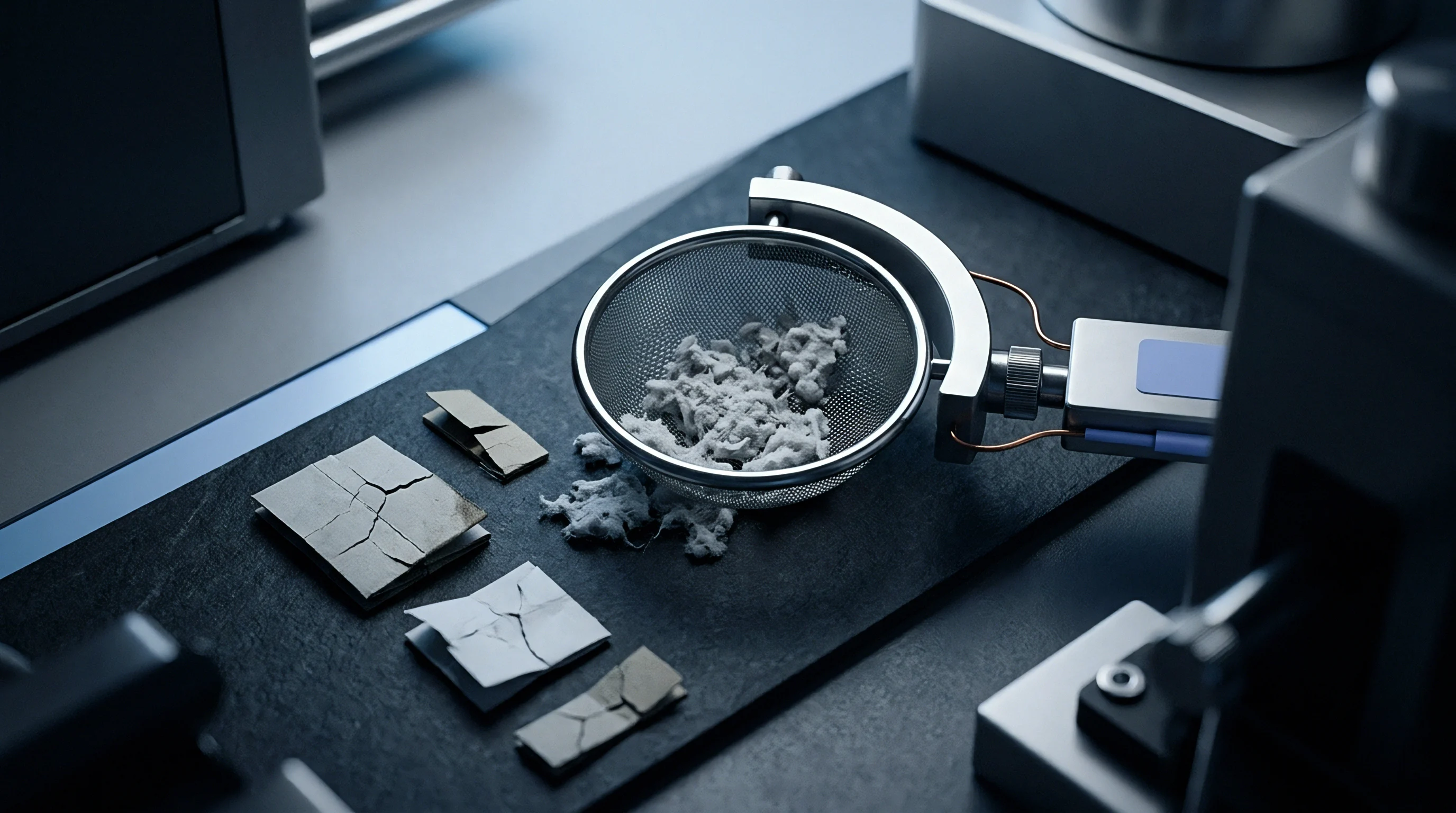
Wet Web Consolidation Pressures
Dynamic compression inside a roll press nip peaks along a narrow contact line measured in tens of millimeters. The rapid rise in hydraulic pressure creates intense water velocity gradients through the paper thickness. High velocity water expels from the sheet into the open void volume of the press felt.
If hydraulic pressure exceeds the structural strength of the wet network, hydraulic disruption tears the web apart. Peak pressures must match web drainage capabilities to prevent crushing.
Shoe press technology stretches that nip length from fifty millimeters to over two hundred and fifty millimeters. Extending dwell time inside the nip zone allows water to evacuate under controlled, prolonged mechanical pressure without destructive hydraulic spikes. Long dwell times permit viscous relaxation of the wet cellulosic matrix.
Cell walls flatten progressively under sustained mechanical loading, expelling bounded moisture and bringing microfibrils into van der Waals range. Press nips exert force.
Press section tuning requires systematic monitoring across mechanical components:
- Felt void volume determines dynamic water handling capacity under maximum nip compression.
- Batt fiber fineness dictates sheet surface mark transfer and micro-scale pressure uniformity.
- Suction roll vacuum levels hold web stability during high-speed transfer between press nips.
- Linear press load profiles balance water evacuation against irreversible loss of caliper.
- Uhle box extraction rates keep water content within felts below saturation before every nip entry.

Shoe Press Mechanics on Porous Networks
Extended contact geometry fundamentally alters web densification. In cold-rolling of sheet metals, prolonged compressive dwell redistributes dislocations throughout polycrystalline grain structures without initiating macroscopic fracture. A related mechanical mechanism occurs within the water-saturated cellulose network.
Prolonged compression gives swollen fiber walls time to undergo transverse creep, yielding plastic collapse without tearing the fiber backbone. Dry fibres resist collapse.
Applying 800 kN/m of linear force across a 250-millimeter shoe develops higher sheet density than 150 kN/m across a conventional twin-roll nip. Solids content leaving the shoe press reaches forty-eight to fifty-two percent. This high dry matter content minimizes subsequent water evaporation in the dryer section, locking collapsed fiber geometries in place before steam heat can vaporize interstitial water and re-inflate lumens.
Smoothness gained in the press nip preserves print gloss, while smoothness bought by abrasive plate action bleeds sheet bulk and deadens package snap.
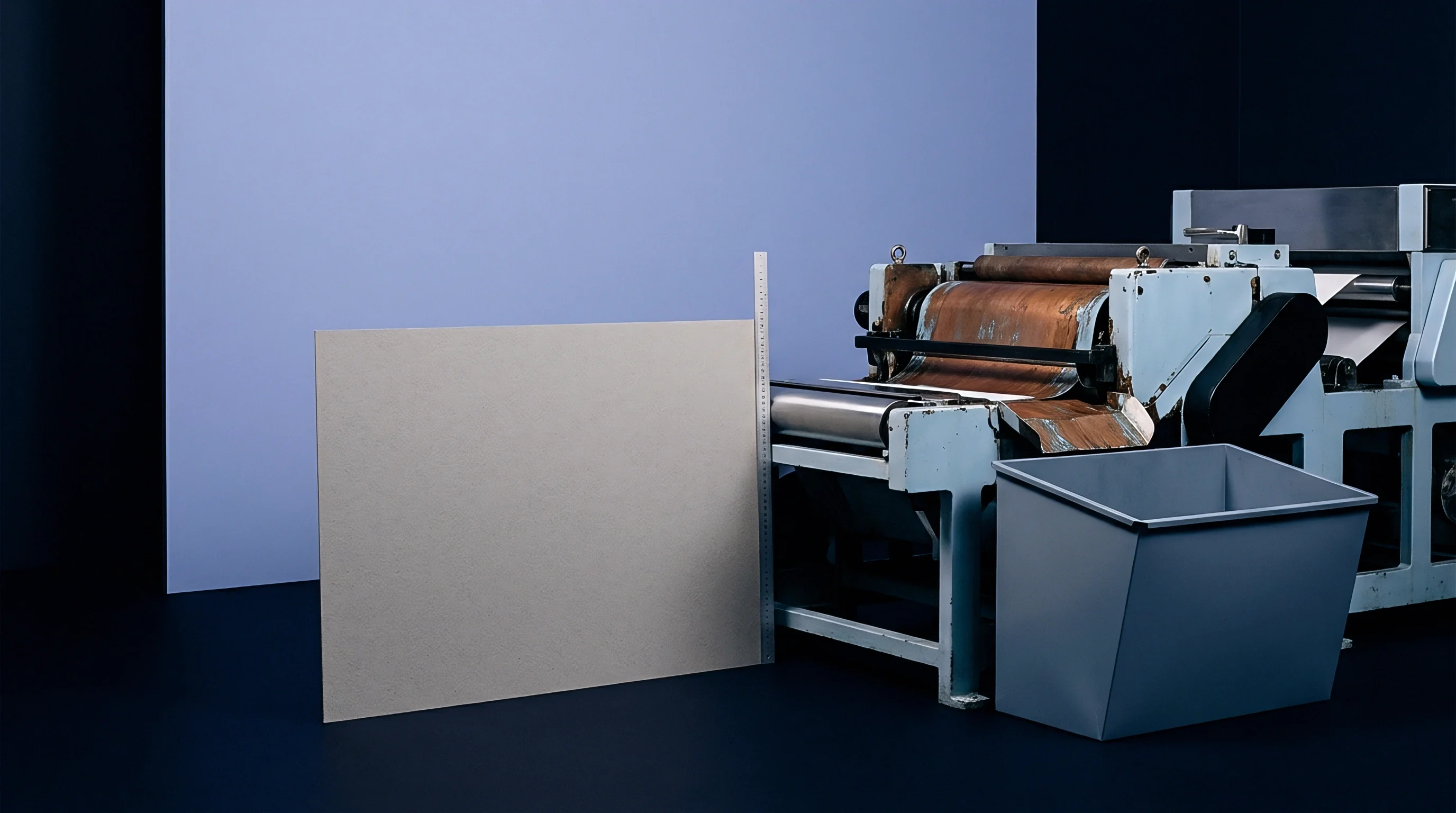
Thermal Drying and Irreversible Hornification
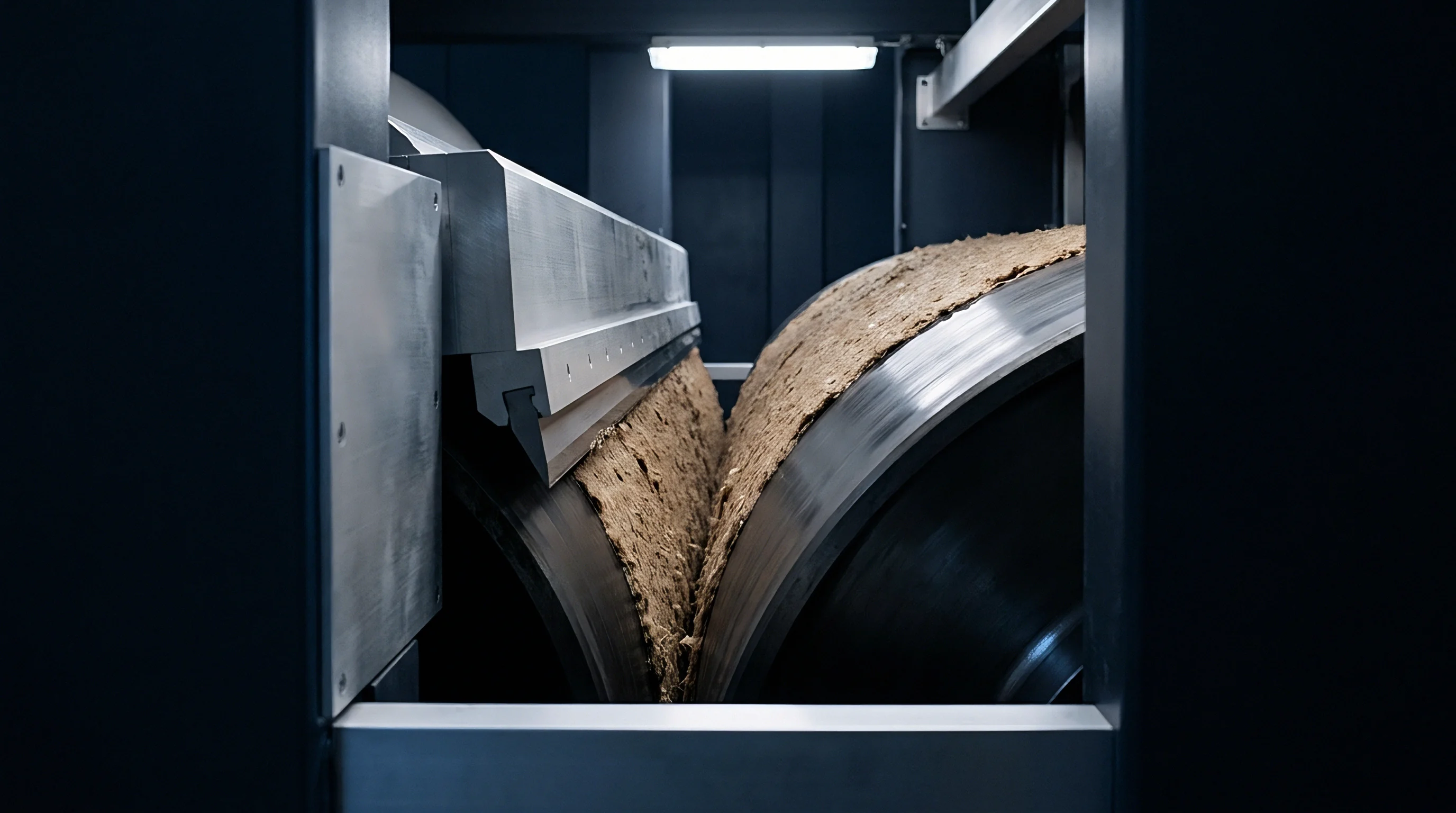
Steam-heated drying cylinders drive residual moisture out through thermal evaporation. As water leaves cell walls, capillary forces pull microfibrils closer together. Hydroxyl groups on adjacent cellulose chains form direct, stable hydrogen bonds.
This process locks the collapsed fiber wall permanently into a dense ribbon. Once dried below eight percent moisture, the fiber wall cannot regain its original open volume upon re-wetting.
Hornification alters the papermaking potential of recycled chemical pulp. During subsequent repulping operations, hornified fibers swell sluggishly and resist refining-induced delamination. Virgin bleached chemical pulp exhibits high conformability precisely because its cell walls undergo their very first consolidation cycle inside the machine dryer section.
Controlling temperature gradients across initial drying cylinders prevents blistering and case-hardening, creating a uniform density profile through the sheet thickness.

Yield
Paperboard purchasing contracts settle transactions by the metric tonne while converting operations convert paperboard by the square meter. This economic divergence makes sheet density the pivot point between raw material cost and converting yield. Densifying the fiber wall allows a box plant to meet structural specifications at lower basis weights.
A lighter sheet with fully collapsed, well-bonded fibers matches the tensile strength and burst performance of a heavier, poorly consolidated furnish. Downgauging grammage directly increases carton yield per purchased metric tonne.

Basis Weight Reduction through Compacted Furnishes
Assume a high-speed pharmaceutical carton converter buys 1,000 tonnes of bleached chemical pulp board per month. Standard 300 g/m² solid bleached sulfate board delivers 3,333,333 square meters of substrate per monthly allotment. If the mill refines and presses the furnish to achieve a ten percent increase in fiber wall densification, basis weight drops to 270 g/m² while retaining identical tensile strength and surface smoothness.
Sheet bulk falls.
The 1,000-tonne order now yields 3,703,704 square meters of usable material. That shift yields 370,371 additional square meters without purchasing an extra kilogram of pulp. At a landed substrate cost of 1,450 dollars per metric tonne, the converter captures significant economic margin.
The delivered substrate cost per thousand square meters falls from 435.00 dollars down to 391.50 dollars, saving 43,500 dollars on each monthly shipment.
Tensile index gains plateau at 82 N·m/g once specific edge load exceeds 2.2 J/m on northern softwood bleached kraft conditioned at 23 °C and 50 percent relative humidity.

How Rapidly Does Refining Intensity Degrade Caliper?
Bending stiffness presents the absolute limit to furnish compaction. Stiffness varies with the cube of sheet caliper according to classic beam mechanics. While densification elevates modulus of elasticity, the cubic drop in thickness dominates total bending resistance.
Pushing refining energy too far collapses fiber lumens to the point where caliper drops faster than elastic modulus rises. The carton wall loses structural rigidity, causing folding cartons to bulge under pallet stacking loads.
| Basis Weight (g/m²) | Caliper (µm) | Density (g/cm³) | Taber Stiffness MD (mN·m) | Short Span Compression MD (kN/m) |
|---|---|---|---|---|
| 300 | 400 | 0.75 | 24.5 | 4.85 |
| 285 | 370 | 0.77 | 21.8 | 4.78 |
| 270 | 338 | 0.80 | 18.2 | 4.65 |
| 255 | 305 | 0.84 | 14.9 | 4.42 |
| 240 | 272 | 0.88 | 11.6 | 4.10 |
Published literature establishes that sheet density increases roughly linearly with specific refining energy up to 120 kWh/t. The authorial desk cannot fully defend the widely cited claim that a three percent gain in density always preserves bending stiffness during down-gauging. The exact turnover point depends entirely on the ratio of hardwood to softwood inside the stock recipe.
Eucalyptus fibers contribute disproportionate stiffness at high density by forming a continuous, fine-grained matrix, whereas southern softwood loses bending resistance precipitously once latewood lumens collapse completely. Sourcing engineers must run pilot creasing trials before signing contract commitments on lightweight substrates.

Conversion Economics and Sheet Stiffness Losses
A package must survive top-to-bottom compression inside automated distribution warehouses. If caliper falls below critical thresholds, box compression test values plummet regardless of high tensile numbers. Compensating for stiffness loss requires re-engineering carton dimensions, adding internal reinforcement, or accepting higher packaging failure rates.
The commercial engineer weighs raw pulp tonnage savings against potential customer reject penalties.
Caliper losses compound. When carton convertors encounter cracked scorelines during high-speed folding, over-refined and over-densified sheets are frequently the underlying cause. Highly compacted fibers form rigid, brittle paper planes that cannot dissipate bending strain along a creased hinge.
The outer liner ruptures, exposing white fibers and degrading aesthetic presentation. The margin shrinks.
Over-compacted sheets buckle along high-speed folder gluer belts, filling collection hoppers with split blanks while corrugated convertors absorb penalty billings for missed delivery windows.


Pallet
Paper performance ultimately proves itself when delivered pallets arrive at the converting plant loading dock. Atmospheric conditions inside shipping containers and storage warehouses fluctuate continuously across global trade corridors. A tightly densified bleached sheet absorbs moisture differently than a porous, high-bulk sheet.
Compacted cellulose networks possess higher capillary suction within nanoscale pores, slowing initial moisture uptake while accelerating moisture-induced dimensional expansion. Ambient relative humidity shifts induce web curl, misregistration on multi-color lithographic presses, and jamming in automated packaging feeders.

Goods Inward Moisture Verification
Receiving inspection checks incoming pallet loads before offloading into active production inventory. Technicians insert sword hygrometers between stacked reams to confirm equilibrium relative humidity matches pressroom conditions. If pallet moisture departs from plant air by more than eight percent, opening moisture-barrier polyethylene wrappers triggers immediate edge-waving or tight-edging.
Meters record the shift.
Dimensional stability in bleached chemical pulp relies on the balance between machine direction fiber alignment and cross direction fiber swelling. Dense sheets exhibit higher hygroexpansivity because individual fiber expansion transfers directly across tightly bonded networks. Porous sheets absorb internal fiber swelling within structural voids without altering external ream dimensions.
The specification holds.
Rejection rights under ISO 534 take effect immediately when mill reel averages depart from nominal caliper by more than four percent across three consecutive production rolls.
Reel Profile Variations across Cross Direction
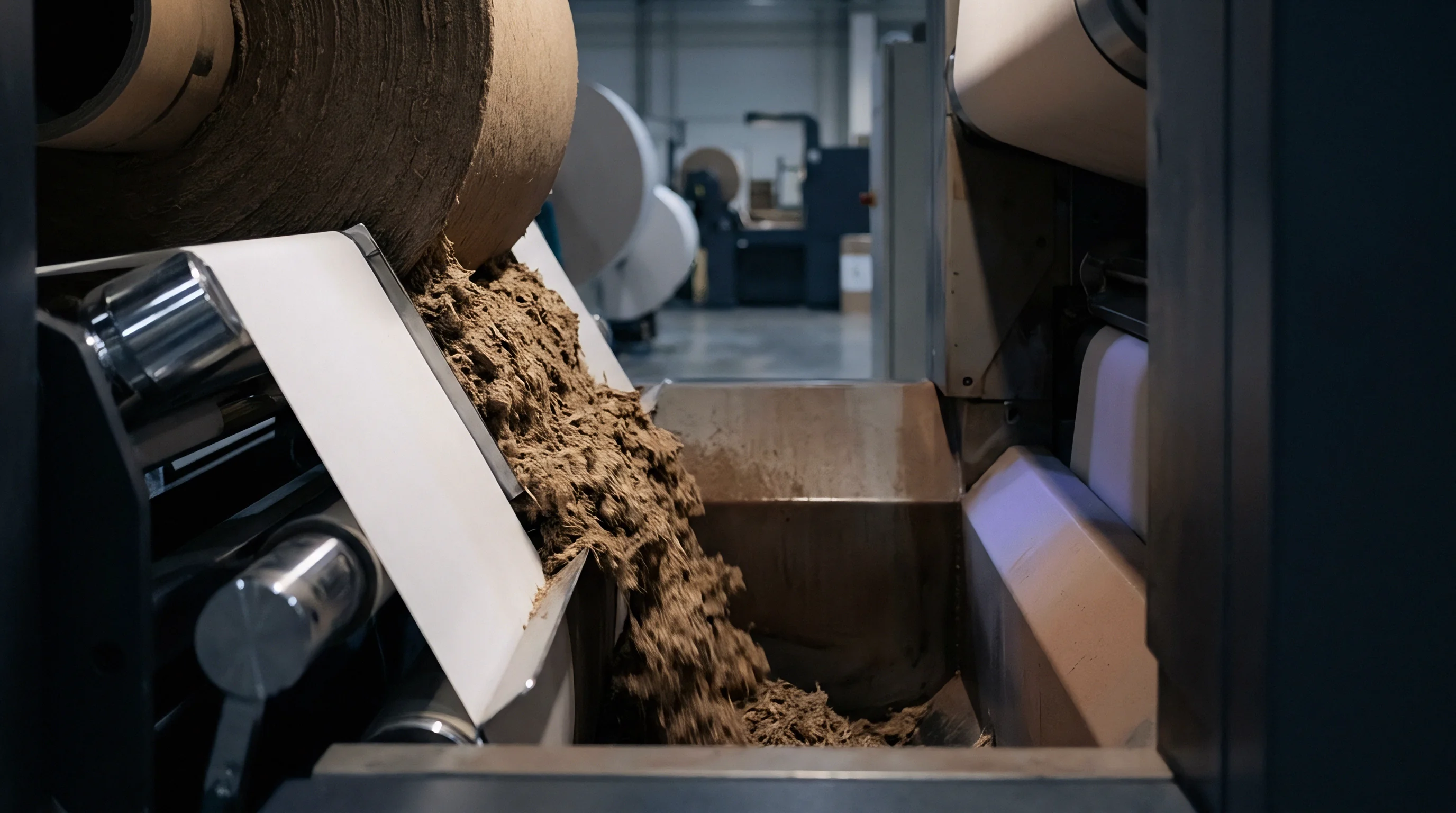
Paper machines produce webs several meters wide, slicing jumbo rolls into customer-sized reels on slitter-rewinders. Headbox slice adjustments and dilution profiling systems control cross-direction basis weight profiles. Variations in press nip loading or drying steam supply create uneven densification across the parent reel width.
Reel center stock often runs hotter and denser than reel edge stock.
Printers run reels from different positions along the machine arbor. When an edge reel transitions to a center reel mid-run, caliper drifts and surface roughness changes without warning. Press operators must constantly trim print blanket packing to avoid dot gain shifts.
Standardizing goods-in inspection protocols allows commercial packaging teams to identify out-of-tolerance reel profiles before stock feeds into high-speed gravure units.

Specification Tolerances for Commercial Contracts
Procurement contracts protect buyers only when parameter boundaries are tied to standardized test atmospheres. Mills often measure burst and tensile strength under flattering, unconditioned mill-floor environments where elevated moisture inflates apparent toughness. Sourcing agreements must explicitly reference conditioning under ISO 187 at 23 °C and 50 percent relative humidity prior to any bench testing.
Moisture drifts across reels.
Establishing tight tolerance bands on density prevents hidden grade substitution. When mills face fiber shortages, papermakers sometimes substitute low-freeness unrefined pulp and compensate with heavy wet-nip calendering to hit thickness targets. Calendering crushes surface fibers without consolidating the internal core, producing a sheet that delaminates during high-tack ink split operations.
Sourcing managers enforce minimum tensile energy absorption and internal bond strength values alongside nominal density targets. The contract governs settlement.
A contract clause stipulating settlement under ISO 187 conditioning defaults all financial liability back to the mill whenever unconditioned warehouse storage induces out-of-spec curl.