Structural Stratification
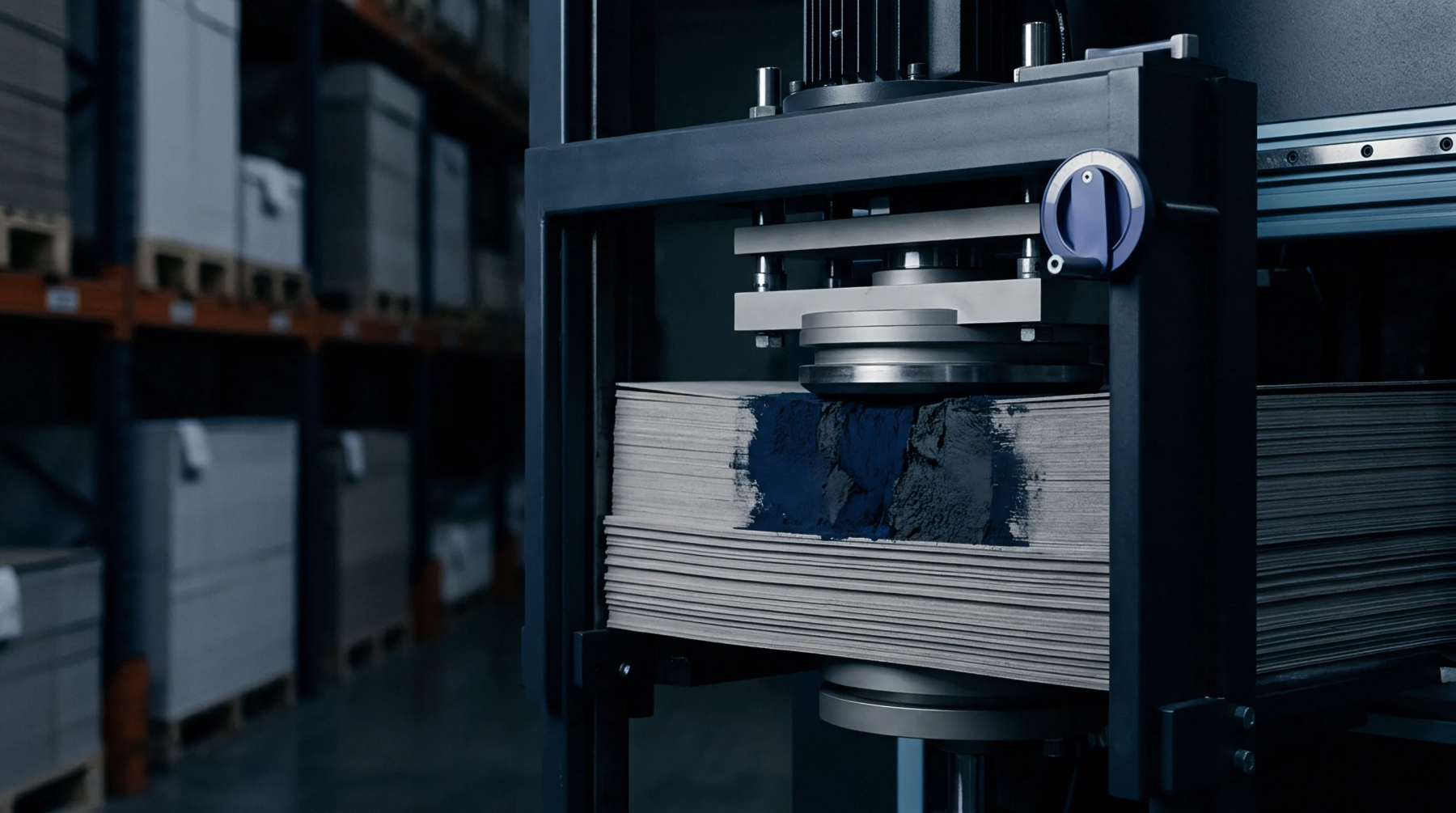
Multilayer paperboard manufacturing places bleached chemi-thermomechanical pulp within internal core plies to build board thickness without proportional mass increases. Bleached chemi-thermomechanical pulp furnish architecture determines the physical arrangement of chemical and mechanical fibres across distinct paperboard web layers. High-yield mechanical fibres occupy the middle layer, where bulk and bending stiffness are generated efficiently, while outer plies consist of refined bleached chemical pulps that provide smooth printing surfaces and tensile strength.
This arrangement ceases to apply when single-ply kraftliner or solid bleached sulphate boards are produced without mechanical pulping fractions.
Yield Profile
Chemical treatment of wood chips during mechanical refining preserves lignin while softening cell structures, producing stiff fibres that resist compaction under press section rolls. In high bulk folding boxboard production, bctmp furnish architecture balances mechanical pulp volume against chemical fibre outer skins to optimise bending stiffness per unit area. Lower density in the core ply allows package designers to maintain caliper at reduced basis weight.
When mechanical pulp content exceeds fifty percent of total sheet mass, web surface smoothness drops, requiring heavier mineral coatings or thicker bleached chemical top plies to prevent print defect propagation during offset lithography runs.
Delamination Boundary
Interply bond strength limits the maximum concentration of mechanical pulp within internal plies. Weak adhesion between unrefined mechanical core fibres and chemical top layers causes sheet splitting during high-speed rotary die-cutting operations.