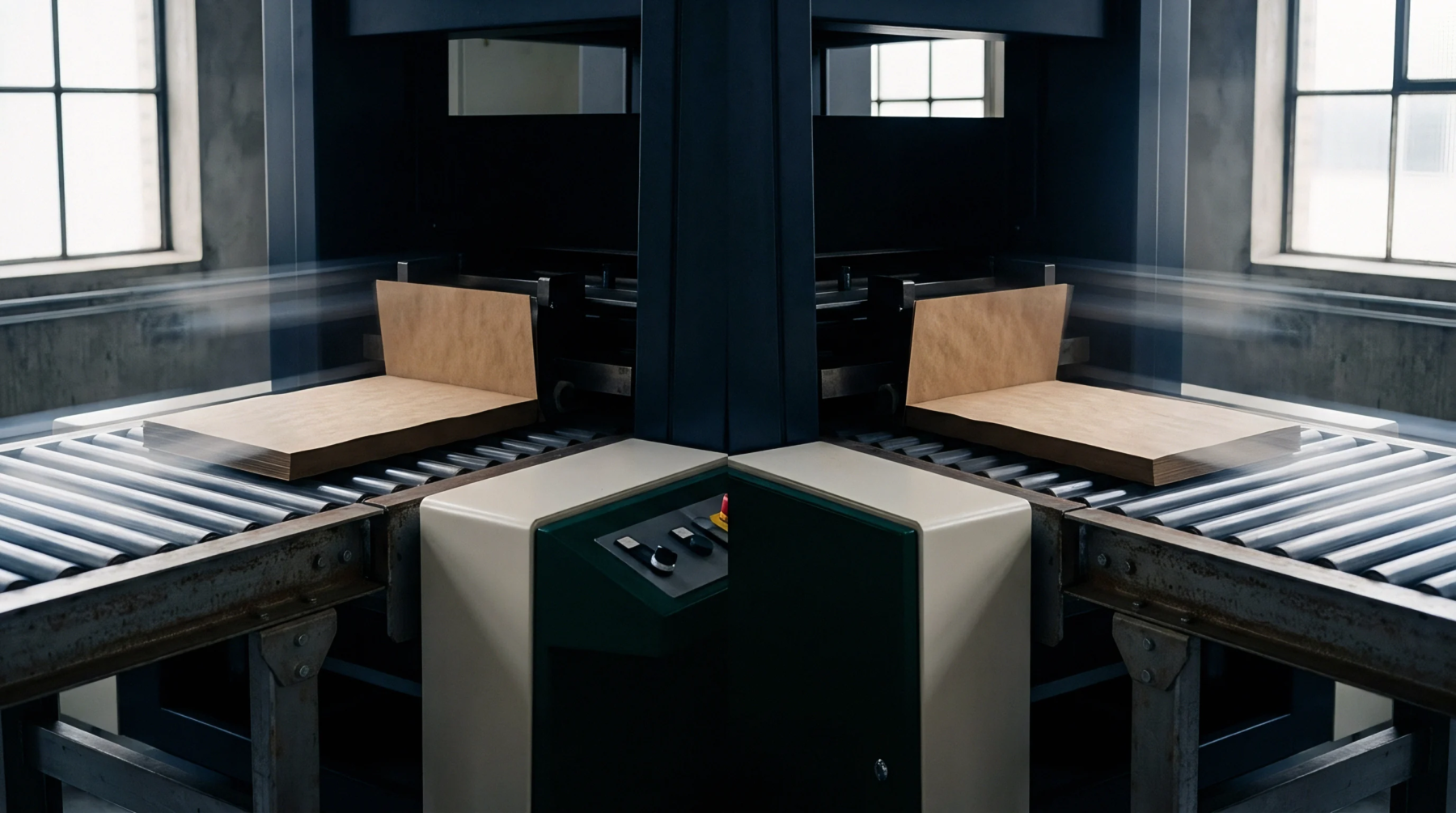
Production Velocity
Throughput capability defines the ratio of actual cartons produced against the theoretical maximum output of a packaging machine over a set duration. Cartoning line efficiency accounts for the downtime originating from mechanical failure, material quality variance, or supply chain bottlenecks during the filling sequence. This calculation serves operators by identifying hidden losses in the conversion of flat blanks into erect, filled, and sealed units.
High speed operation demands consistent caliper and moisture content in paperboard to prevent jams that drag down the overall performance score.
Operational Latency
Mechanical adjustments dictate the frequency of stoppages where operators must clear debris or reset the folding geometry. Cartoning line efficiency suffers whenever substrate rigidity fluctuates beyond the machine tolerance, forcing manual intervention that halts the continuous motion of the feed conveyor. Such interruptions drain the throughput potential even when the feeder motor maintains its calibrated frequency.
Complex carton designs often trigger higher rejection rates at the gluing station, adding to the total tally of unproductive cycles.
Performance Variance
Downtime analysis reveals whether a lag stems from machine maintenance or inconsistent raw material quality. Cartoning line efficiency requires rigorous monitoring of adhesive application patterns and crease depth to ensure the equipment operates at its designed capacity without frequent overrides. Consistent output depends on the precise alignment of the carton blank as it transfers through the forming mandrels.
Minor variations in board thickness result in cumulative losses that reduce the profitability of the packaging run.