Mechanical Throughput
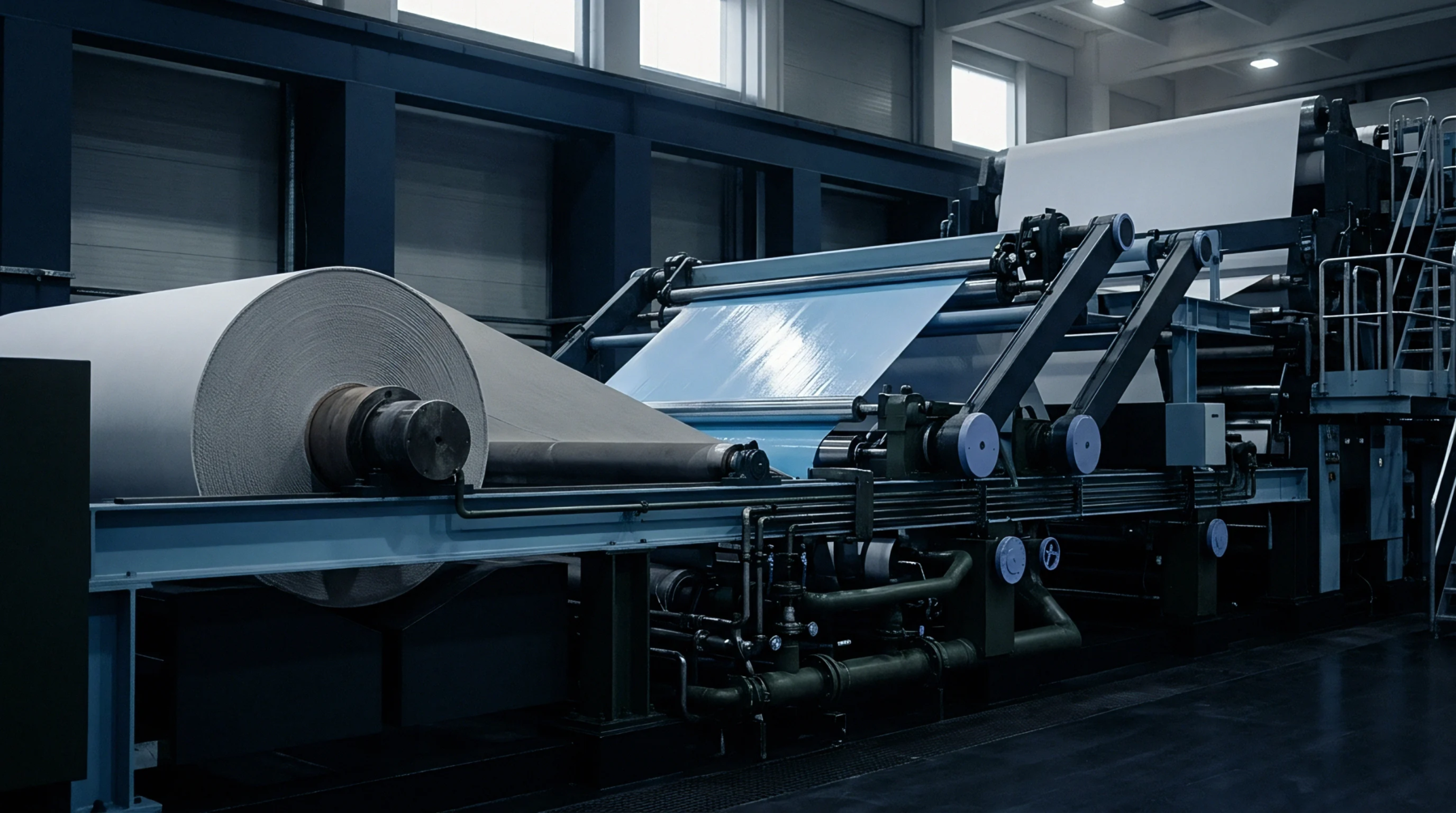
Mechanical tension limits and surface friction coefficients define the material stability within high speed production lines. Converting runnability identifies the capacity of a substrate to withstand rapid unwinding, precise registration, and continuous cutting without causing equipment stoppages or defect patterns. Printers and packaging manufacturers calibrate these properties to match the specific drive settings of rotogravure or offset presses.
Tension profiles must remain uniform across the web width to prevent edge cracking or baggy streaks during final processing.
Operational Tolerance
Shear forces and heat sensitivity act as primary variables during the transition from master rolls to finished units. Low tear resistance or excessive moisture absorption reduces the speed at which a machine operates before breakage occurs. Engineers set mechanical parameters based on the measured stiffness and elongation limits of the stock.
High friction surfaces increase drag against rollers, while surfaces lacking necessary conductivity build static charges that attract debris or cause misfeeds.
Production Outcome
Output frequency relies on the alignment between material specifications and the physical constraints of the machinery. Consistent performance across variable temperature conditions determines the effective lifecycle of a print run or a converting batch. Substrates that maintain dimensional stability under varying humidity demonstrate superior behavior during high volume throughput.
Proper matching of structural properties prevents downtime and reduces the total waste volume generated during secondary processing.