Radial Tension
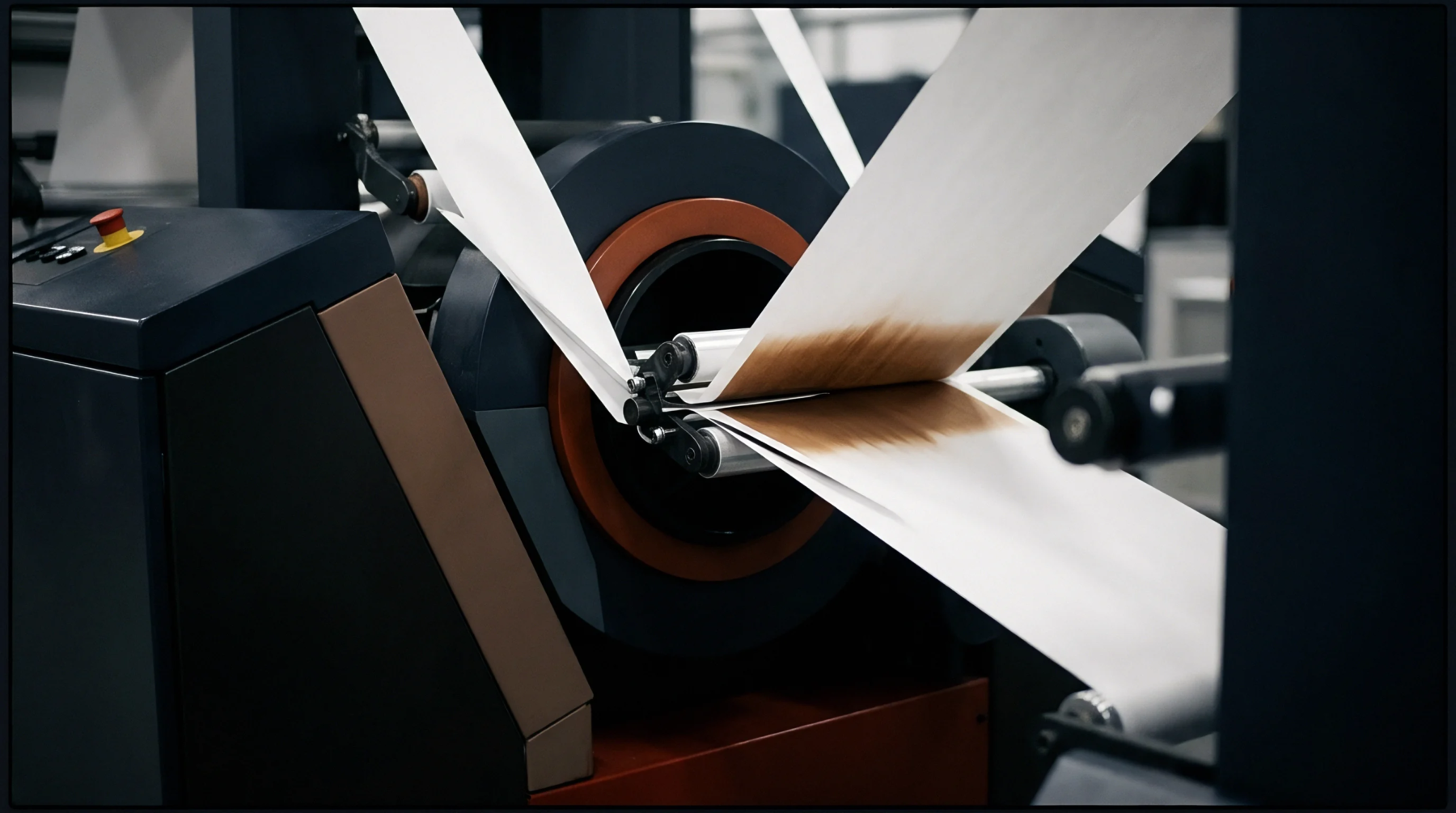
Mechanical stress determines the stability of fibre layers around a central tube during the formation of high strength industrial paper rolls. Coreboard winding governs how layers apply pressure against the inner support to prevent structural collapse or telescoping during transport. High speed production lines adjust the nip pressure and torque to ensure that the density remains uniform from the base to the outer diameter.
If the force remains inconsistent, internal layers shift under the weight of the outer mass, which ruins the geometry of the tube. Operators monitor the torque variance to maintain the integrity of the finished stock.
Material Elasticity
Compressed fibres behave like non-linear springs that store energy within the physical volume of the finished roll. This coreboard winding creates an internal pressure profile that changes as the roll diameter increases during the manufacturing cycle. Engineers calculate the required tension settings by accounting for the modulus of the paperboard, which changes depending on the moisture content and the pulp composition.
A soft base layer allows for slight compression without inducing cracks, while a firm outer wrap protects the roll from external impacts during handling. The physics of the contact patch between the rider roll and the product dictates the final firmness.
Structural Performance
Consistent tension prevents the roll from unwinding or sagging while it sits in long term storage or under load on a printing press. Proper coreboard winding provides the lateral resistance needed to survive the vertical forces exerted during stacking in a warehouse. Uniform radial distribution stops the edges from curling or fraying, which leads to web breaks in sensitive converting machines.
A well wound roll maintains its cylindrical shape despite the heavy gravitational load acting on the lower sections of the stack. Proper execution of this process reduces the volume of waste generated by edge damage or layer slippage.