Structural Integrity
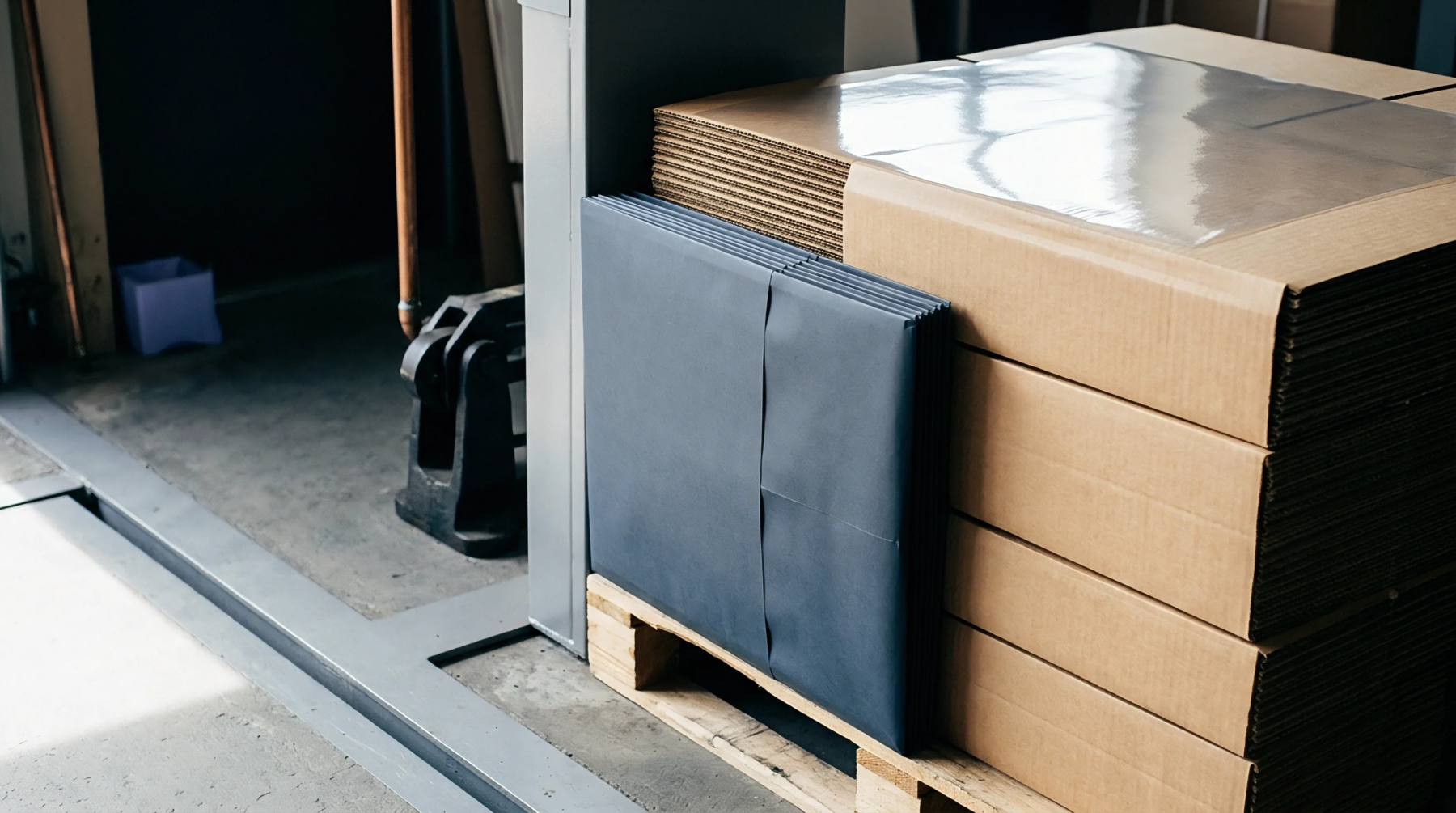
Rigid fibreboard assemblies protect goods from environmental stress and mechanical damage during transit. These corrugated transport boxes utilize a fluted medium between two linerboards to resist compression and punctures. The adhesive bond between these layers maintains the wall rigidity under vertical loads.
Converting lines rely on high speed creasing and slotting of the blank to ensure folding accuracy for automated packing.
Manufacturing Specification
Die cutting machines define the dimensions and structural score lines of these corrugated transport boxes. Proper scoring avoids fracturing the outer liner while allowing the fold to maintain strength at the corners. Flute profiles categorized from A to F determine the stacking strength and cushioning performance of the final unit.
Production settings monitor moisture levels in the paper because excessive humidity softens the starch bond and reduces box stability.
Logistical Tolerance
Performance testing for corrugated transport boxes involves box compression tests that simulate real world pallet stacking. These evaluations check the edge crush resistance to predict how the packaging behaves when subjected to long duration static pressure. Higher grammage liners provide resistance against tearing during manual handling or automated sortation systems.
Material selection depends on the weight and density of the internal load to prevent fatigue of the corrugated structure.