Elastic Recovery
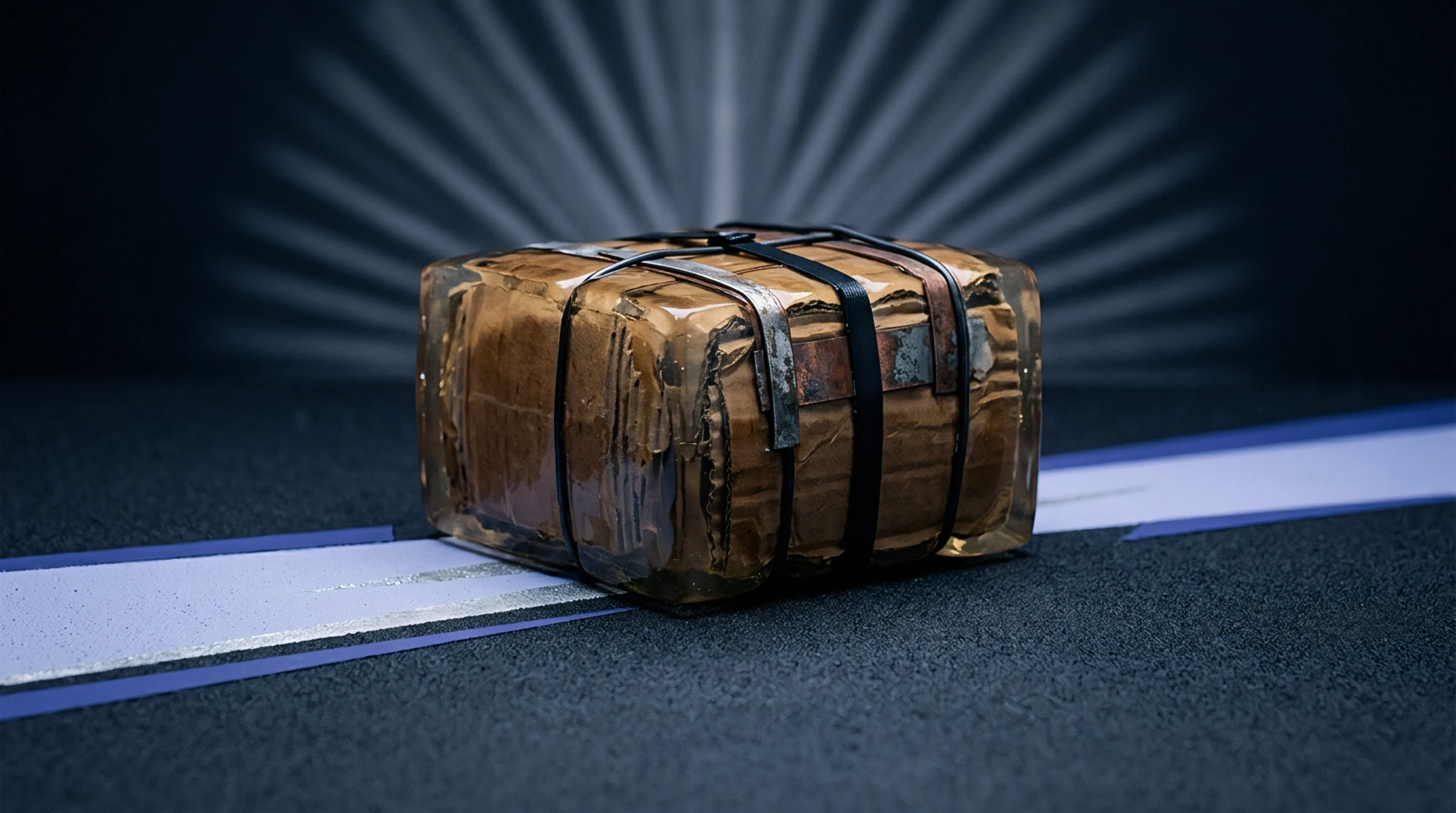
Mechanical force relaxation in scored paperboard causes folded panels to partially return toward their original flat profile after folding loads cease. Converting machinery counters crease springback by applying controlled over-folding angles during high-speed carton assembly. Fiber delamination inside scored crease channels reduces elastic memory, allowing the fold line to maintain its specified ninety-degree geometry under high packaging speeds.
Bending Resistance
Internal stress distributions within scored paperboard govern how folded board panels respond after leaving folding rails. Scoring tools rupture internal fiber bonds on the inner side of the crease while stretching exterior linerboard fibers. Insufficient score depth leaves intact fiber networks that exert elastic recovery forces against the fold, forcing the panel open.
High humidity softens cellulose fibers, reducing crease springback and decreasing panel rigidity in finished cartons. Laboratory instruments measure restoring force in millinewton meters at set dwell times after initial bending. Adjusting female die width alters creasing severity to match board caliper and density parameters.
Proper creasing depth reduces springback while preventing liner ruptures along outer score edges.
Converting Effect
Automatic cartoning machines jam when springback forces exceed side-guide control limits on filling lines. Excessive crease springback expands carton dimensions beyond specified tolerances, distorting package squareness during high-speed adhesive application. Folder-gluer operators adjust compression belts and heat panels to lock creased geometries before pack filling.