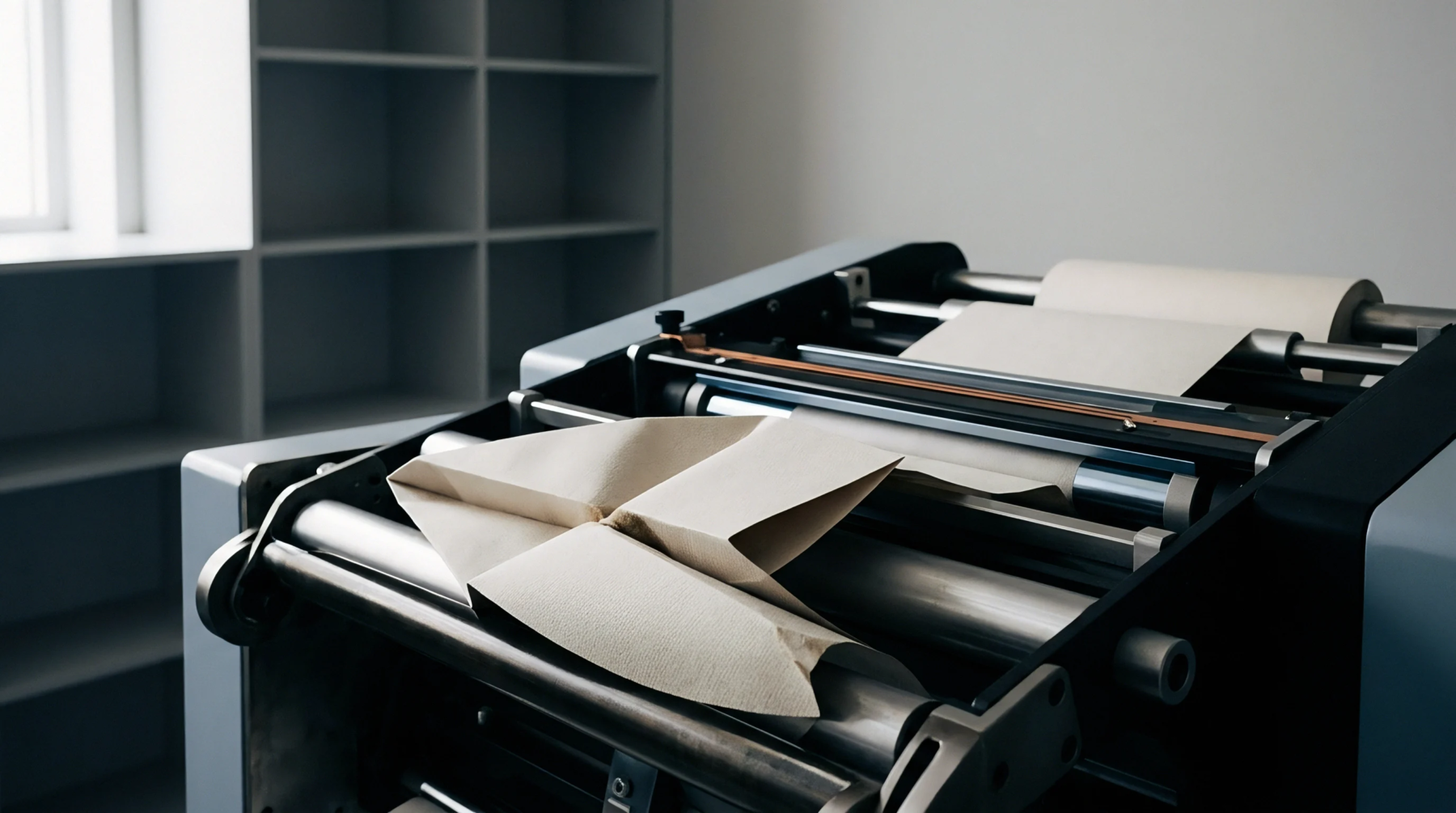
Middle Layer
Multi-ply folding boxboard incorporates high-bulk mechanical pulp in inner web layers to maximize bending stiffness at minimal sheet weight. Wood chips treated with mild chemicals and steam before mechanical refining produce chemi-thermomechanical pulp used in middle plies. A CTMP mechanical core provides structural bulk between outer plies made from fully bleached chemical pulp.
Chemical treatment preserves lignin while softening wood fibers, yielding stiff, bulky fibers with high elastic modulus. Sandwich construction theory dictates that middle layer stiffness depends primarily on thickness rather than tensile strength. This structural configuration governs multi-ply packaging board grades and excludes solid bleached sulfate sheets lacking mechanical fiber plies.
Yield Behavior
Chemical pre-treatment softens wood lignin prior to mechanical refining, increasing pulp yield above ninety percent of dry wood mass. High yield preserves natural fiber bulk while consuming less energy than traditional mechanical pulping methods. Residual lignin keeps individual fibers rigid, contributing to high cross-direction bending resistance in finished board.
Bulk Performance
High bulk in middle layers increases overall board caliper without adding raw fiber weight per unit area. Elevated caliper expands the distance between outer tensile layers, multiplying structural bending stiffness according to cubic beam principles. Recycled paperboard cores lack equivalent fiber bulk, requiring higher grammage to match mechanical core stiffness metrics.
Packaging converters select boards with mechanical cores to reduce total packaging weight while maintaining top compression strength on filled cartons.