Material Modality
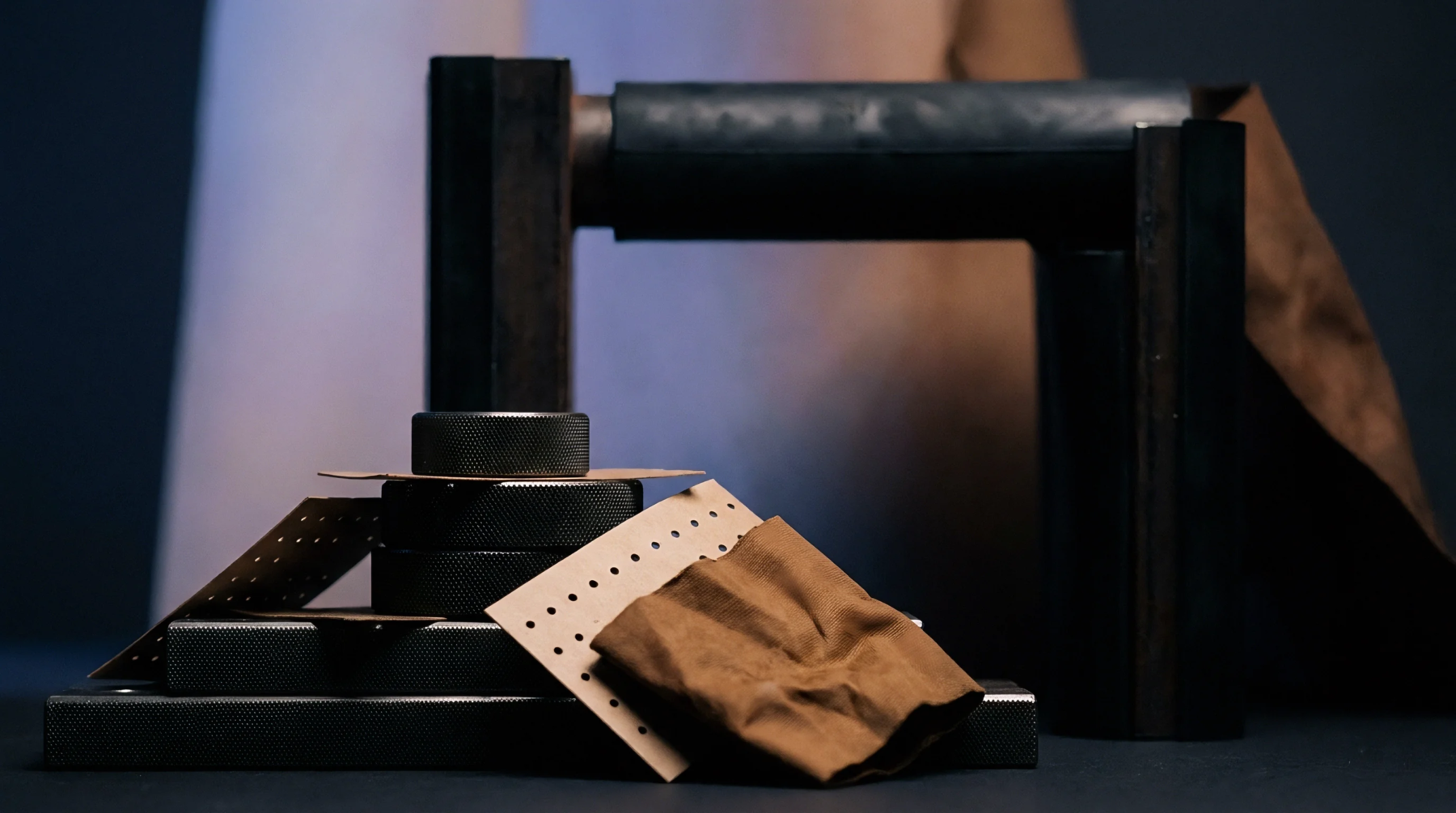
This methodology governs the mechanical separation of fibre, coatings and structural adhesives during the initial repulping phase at a paper mill. Design for recycling identifies the specific thresholds for ink dispersion, chemical solubility and substrate permeability required to maintain fibre yield during reclamation. It applies to all secondary packaging formats and rigid board constructions where the intent includes recovery through existing infrastructure.
The measure dictates the maximum permissible weight of non-fibre additives within a finished sheet to prevent screen rejection during the wet end process. By setting these bounds, the specification ensures that the output from a converter remains compatible with standard pulping equipment throughout the global paper supply chain.
Conversion Logic
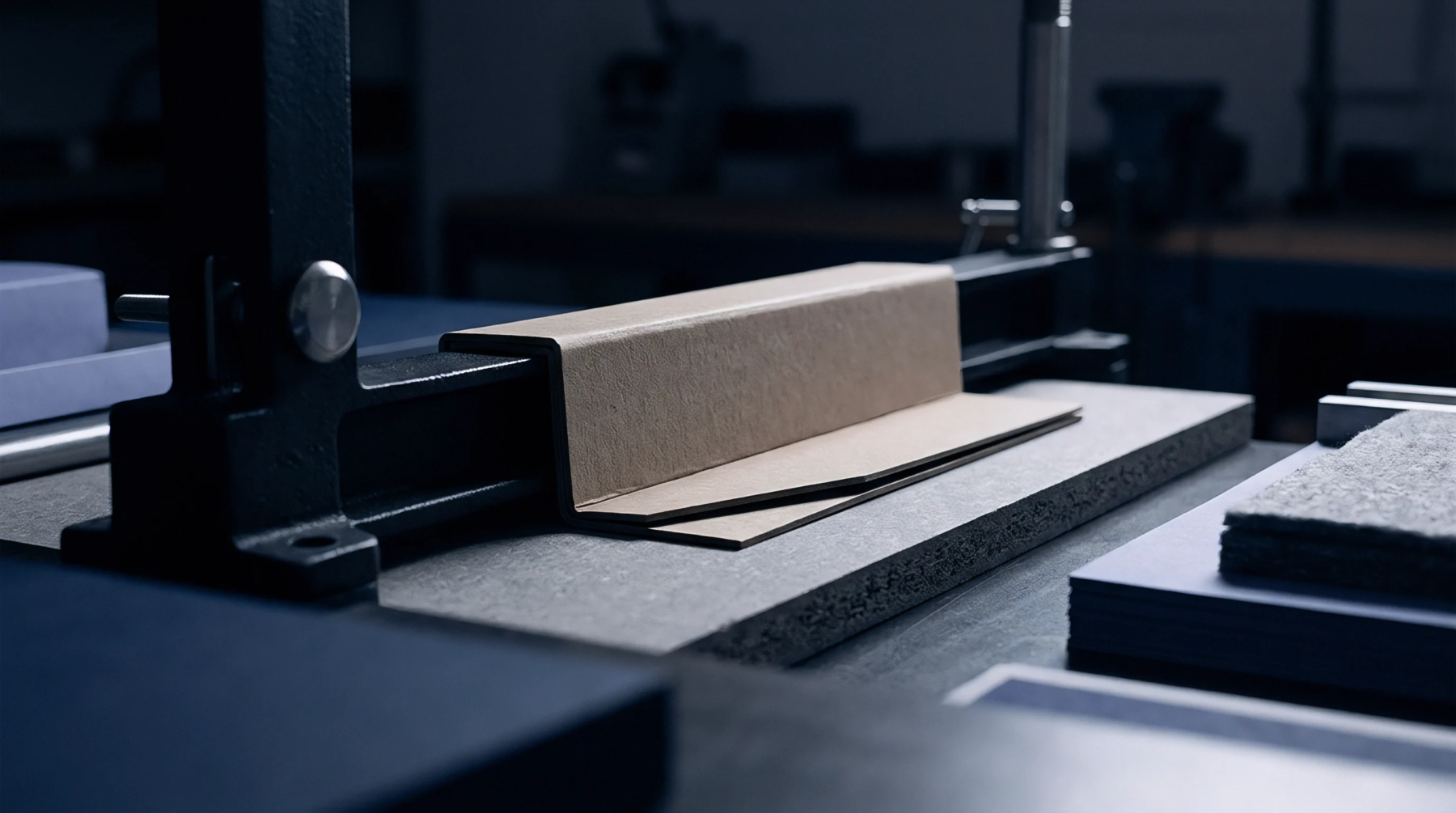
The fabrication phase implements these technical parameters by selecting coatings or barrier chemistries that degrade under alkaline conditions within a vat. A printer calculates the ratio of film lamination to base substrate to confirm that the package breaks down without generating excessive particulate matter or contaminating the recovered stock. This process avoids heavy metal pigments and specific synthetic binders that impede the drainage of water on the fourdrinier wire during sheet formation.
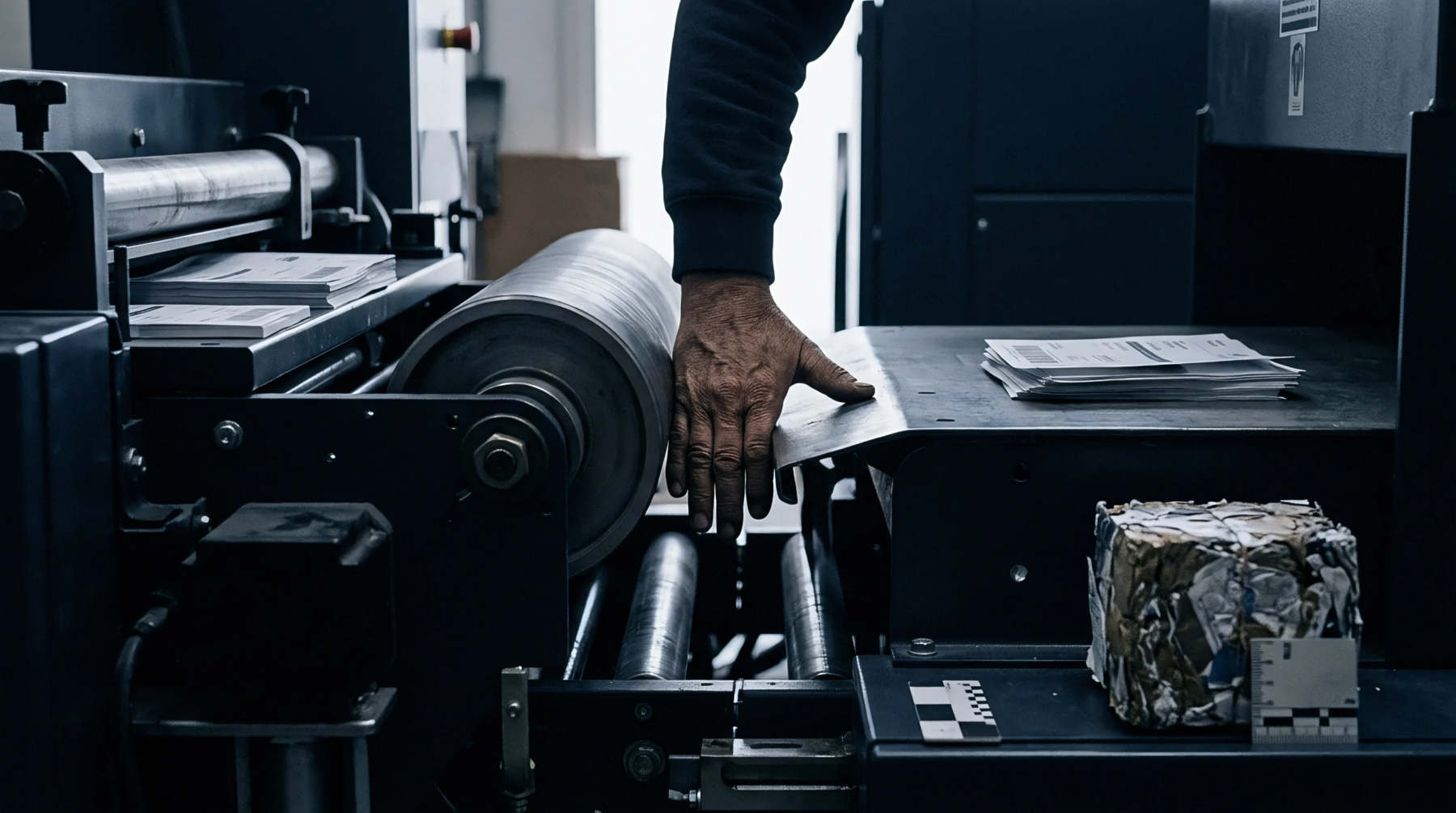
If a manufacturer exceeds the recommended tolerance for wet strength agents, the material will persist as clumps in the pulp slurry and lead to machine stoppages or reduced tensile strength in the resulting paper rolls. Converting facilities verify compliance by performing disintegration tests that simulate the hydrodynamic shear and temperature conditions typical of commercial hydrapulpers to confirm that the substrate returns to a liquid suspension.
Structural Constraint
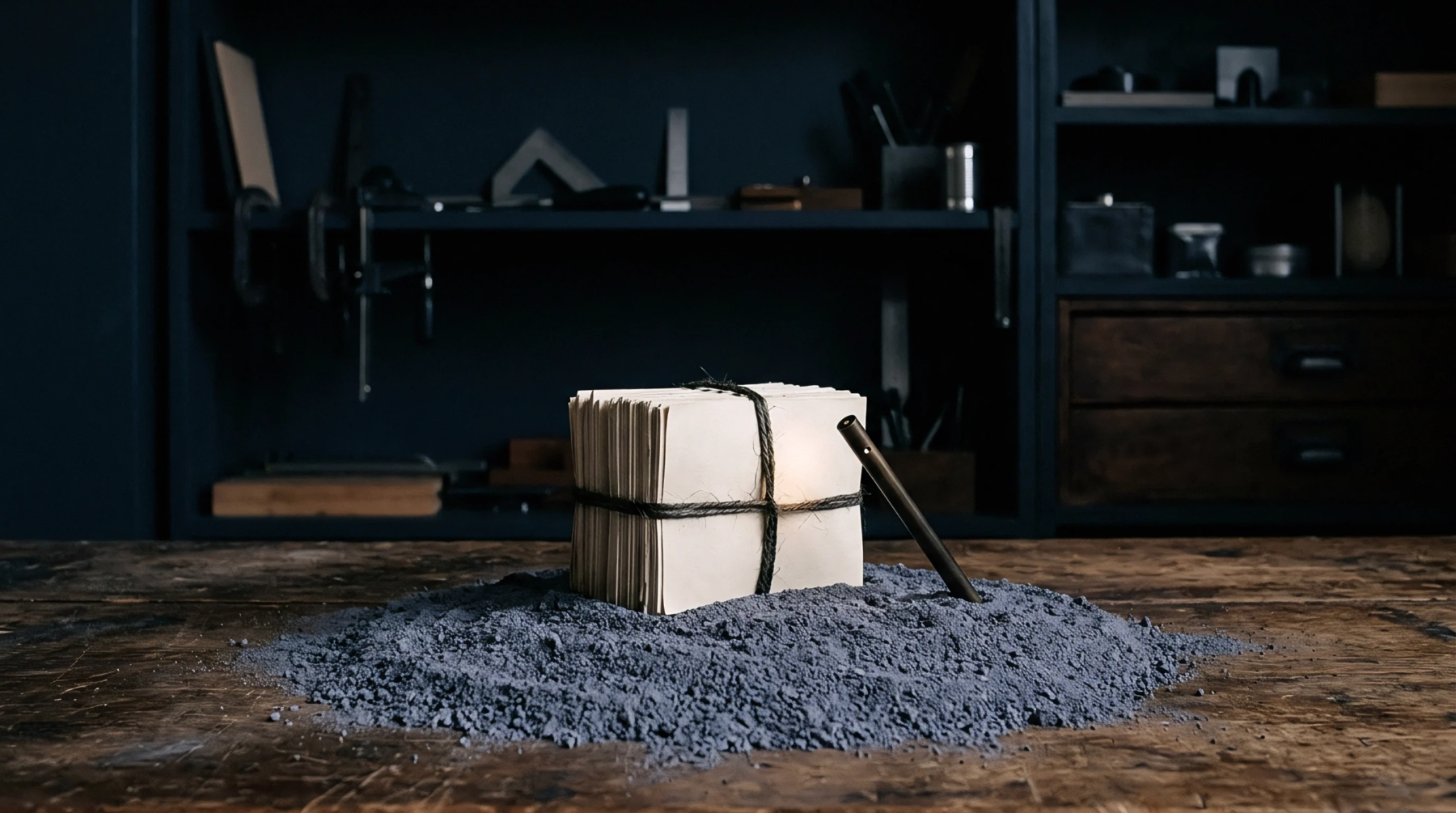
Packaging engineers define the viability of the recovery stream by evaluating how adhesives interact with the mechanical deinking process in secondary mills. Design for recycling confirms that hot melt glues and pressure sensitive labels detach cleanly from the fibre without leaving residue or altering the optical properties of the deinked pulp. These constraints apply specifically to the surface area coverage of hydrophobic substances and the thermal sensitivity of applied varnishes during the agitation cycle.
A board construction succeeds when the individual components separate and float or sink in accordance with their respective density gradients during the floatation stage. Precise adherence to these physical requirements ensures that the final processed pulp meets the cleanliness grades demanded for the production of new paperboard without additional chemical processing or excessive filtration demands.