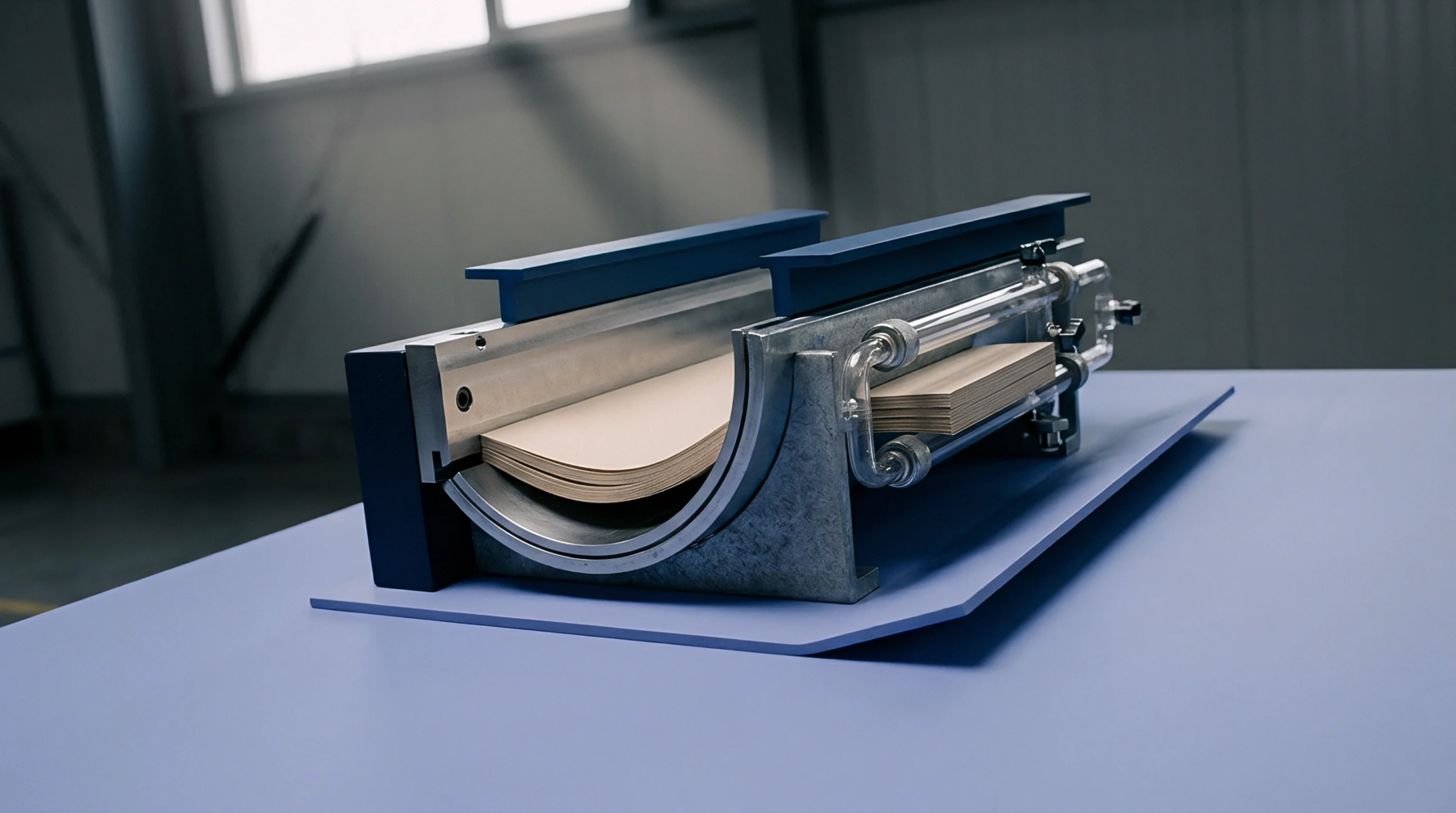
Cyclic Endurance
Measure of a material’s ability to withstand repeated shear loading cycles without experiencing structural failure or a substantial loss of stiffness. Evaluation of dynamic shear fatigue is essential for sandwich panels used in shipping containers that endure vibration and shifting loads during long distance transit. This property captures the gradual accumulation of micro damage within the core or the adhesive bond line.
Failure occurs when the material can no longer support the peak load of the cycle even though that load is below the static shear strength.
Damage Mechanism
Microscopic cracks often initiate at the corners of honeycomb cells or within the cell walls themselves as the material is flexed back and forth. Over thousands of cycles, these cracks coalesce and weaken the overall structure of the core. The rate of degradation depends on the amplitude of the stress and the frequency of the loading.
In paper based cores, humidity levels also influence the fatigue life because moisture softens the cellulose fibres and accelerates the creep process. Engineers use S-N curves to predict the service life of packaging materials under known environmental conditions.
Testing Constraint
Tests are conducted until either a specific number of cycles is reached or the specimen undergoes a predetermined reduction in shear modulus.