Structural Performance
Compression resistance measured parallel to the flutes defines the ability of corrugated board to support vertical loads in a finished container. The edge crush strength of a material determines the maximum stacking height of a carton before the walls buckle under the weight. This value is expressed in kilonewtons per metre and is the primary factor used in the McKee formula for predicting box performance.
Compression Testing
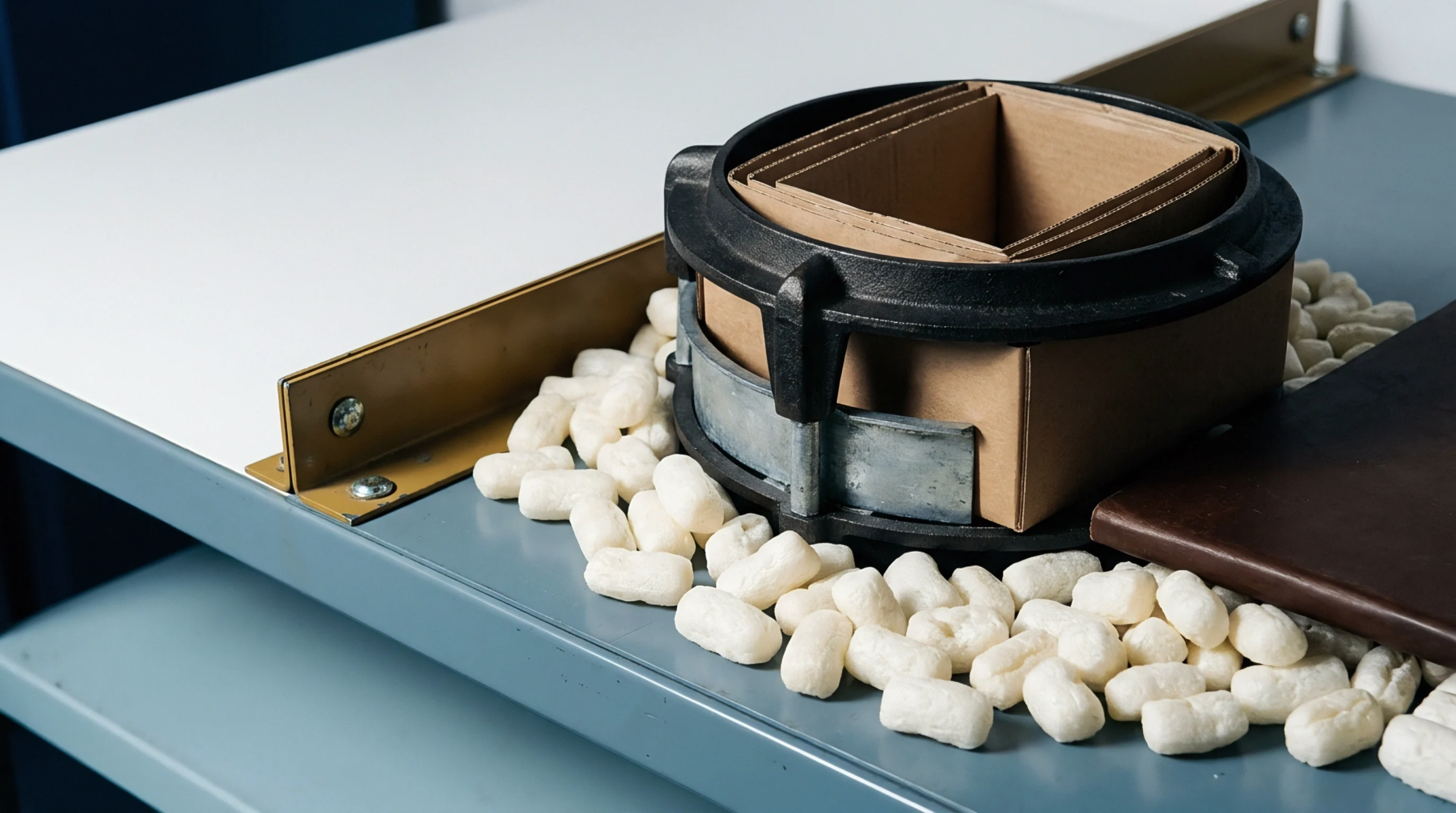
Testing involves placing a small rectangular specimen of the board between two platens and applying a constant force until the structure fails. The quality of the linerboard and the density of the medium together establish the final result. Precise cutting of the sample is necessary to ensure that the edges are perfectly square and free from crushing during preparation.
Any tilt or unevenness in the specimen will lead to a premature failure and an underestimation of the material’s actual performance. High precision load cells capture the peak force at the exact moment the internal flute structure collapses.
Environmental Sensitivity
Environmental conditions such as high humidity greatly reduce the load bearing capacity of the cellulose fibres. Moisture acts as a plasticizer that weakens the bonds between the fluting and the liners. Standards require testing to be performed at specific temperature and relative humidity levels to ensure reproducibility across different manufacturing sites.