Recycled Paperboard Grade
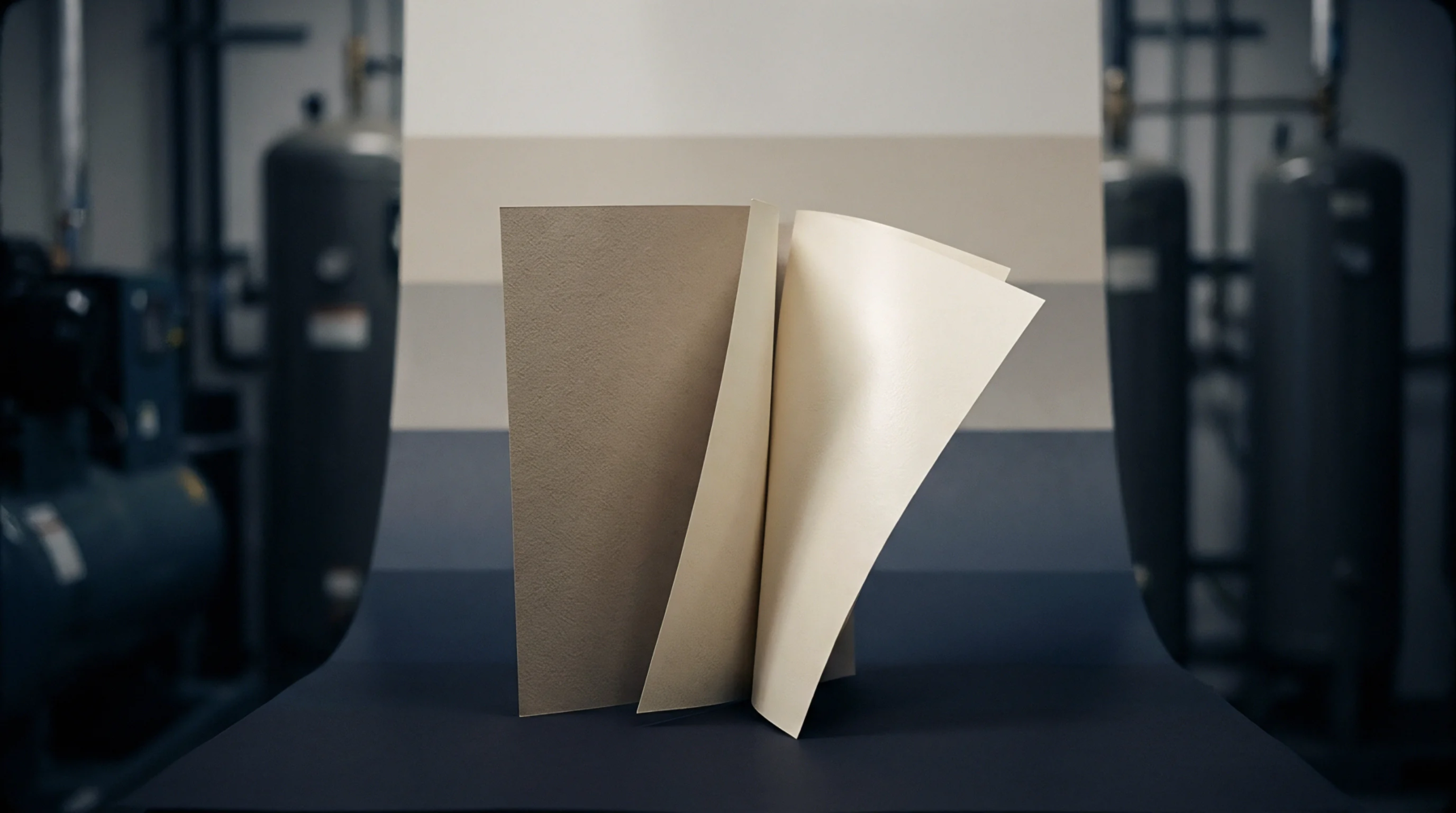
European paperboard classification systems define a multi-ply recycled packaging grade manufactured with a white pigment-coated top liner and a grey or brownish recycled reverse. GT2 white lined chipboard conforms to standard industrial grade designations established under the DIN 19303 framework, where the letter G denotes coated board, T identifies recycled fibre content with a grey interior, and the digit 2 defines specific surface coating mass and quality thresholds. Middle and back layers consist predominantly of recovered paper furnish, including mixed paper, old corrugated containers, and newsprint, while the top liner features deinked pulp or bleached chemical fibres treated with mineral coating formulations.
The grade is widely converted into primary retail packaging for dry foodstuffs, hardware, household chemicals, and consumer electronics. Boundaries exclude virgin folding boxboards, solid bleached boards, and GT1 grades that carry higher brightness and heavier surface coating formulations.
Multi-Ply Construction
Machine configurations producing recycled board assemble separate fibrous layers using multiple fourdrinier wires or cylinder formers before wet-pressing the plies together. The top liner provides a smooth printing surface, using calcium carbonate and clay pigments bound with styrene-butadiene latex to achieve ISO brightness values typically ranging between seventy-eight and eighty percent. Below the white surface, an under-liner acts as an optical barrier, masking dark contaminants and mechanical pulp specks found within the core layers.
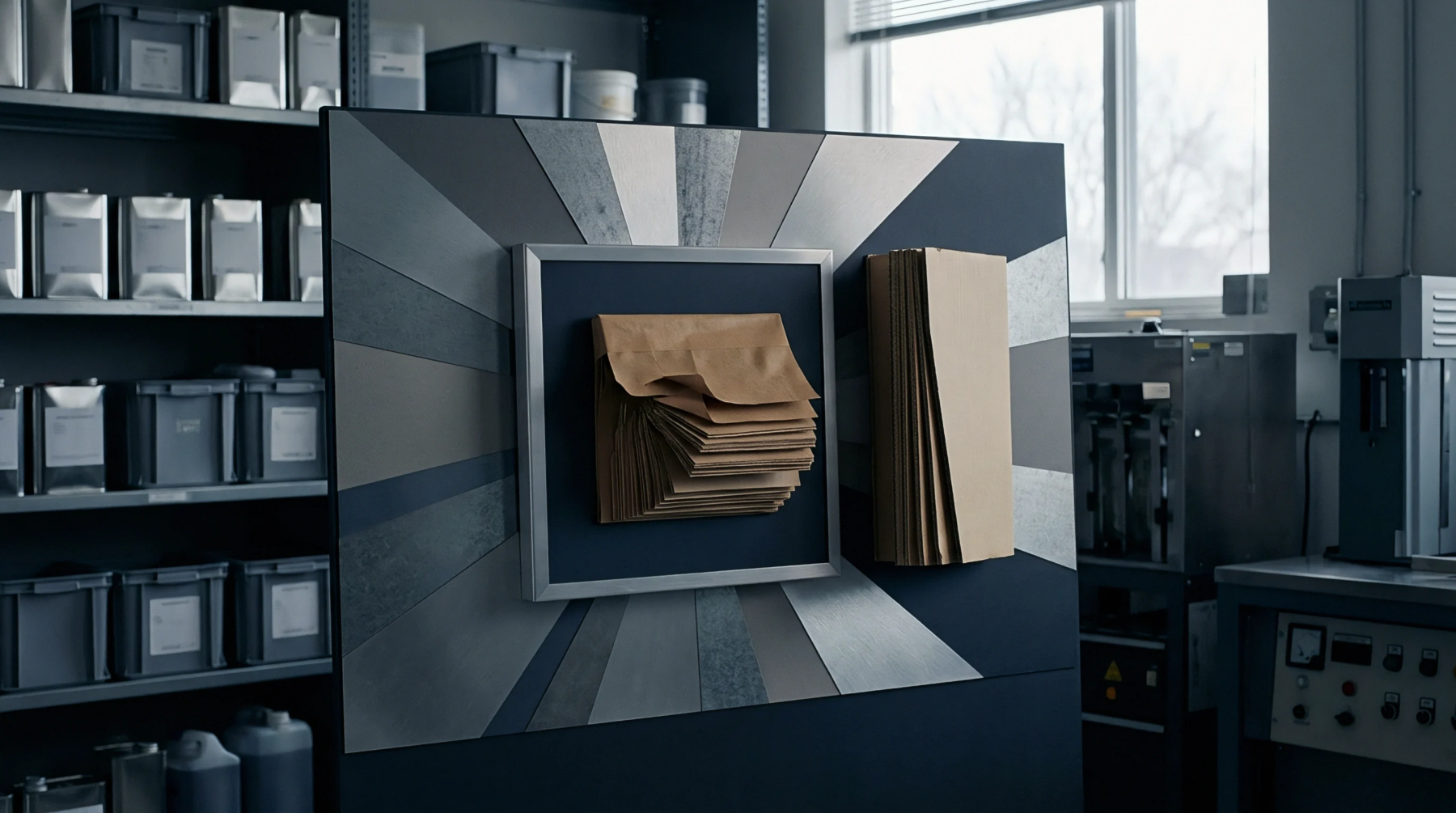
Bulky middle plies utilise coarse recycled paper pulp to build sheet caliper efficiently without excessive raw material costs. Starch sprays applied between plies during wet forming enhance internal bond strength, preventing delamination when the material undergoes creasing and high-speed rotary die-cutting. Moisture levels remain tightly controlled across the multi-cylinder drying section to avoid curl across cross-direction profiles.
Converting and Performance
Structural packaging conversion relies on uniform bending stiffness and creasing behavior across varied caliper ranges. GT2 paperboard delivers predictable score formation, provided creasing rules and matrix channels match the thicker, less compressible multi-ply recycled structure compared to solid bleached boards. Lower z-directional tensile strength requires precise scoring depths, preventing internal ply separation along carton edges during automated folding.
The coated top liner accepts multi-colour offset lithographic, flexographic, and gravure printing inks, offering reliable ink holdout and varnish gloss. Barrier properties against mineral oil aromatic hydrocarbons or atmospheric water vapour demand functional barrier coatings or polyethylene extrusion layers, as the standard recycled core provides minimal resistance to contaminant migration. Economical raw material costs sustain GT2 white lined chipboard as a dominant substrate across large-format consumer goods carton conversion.