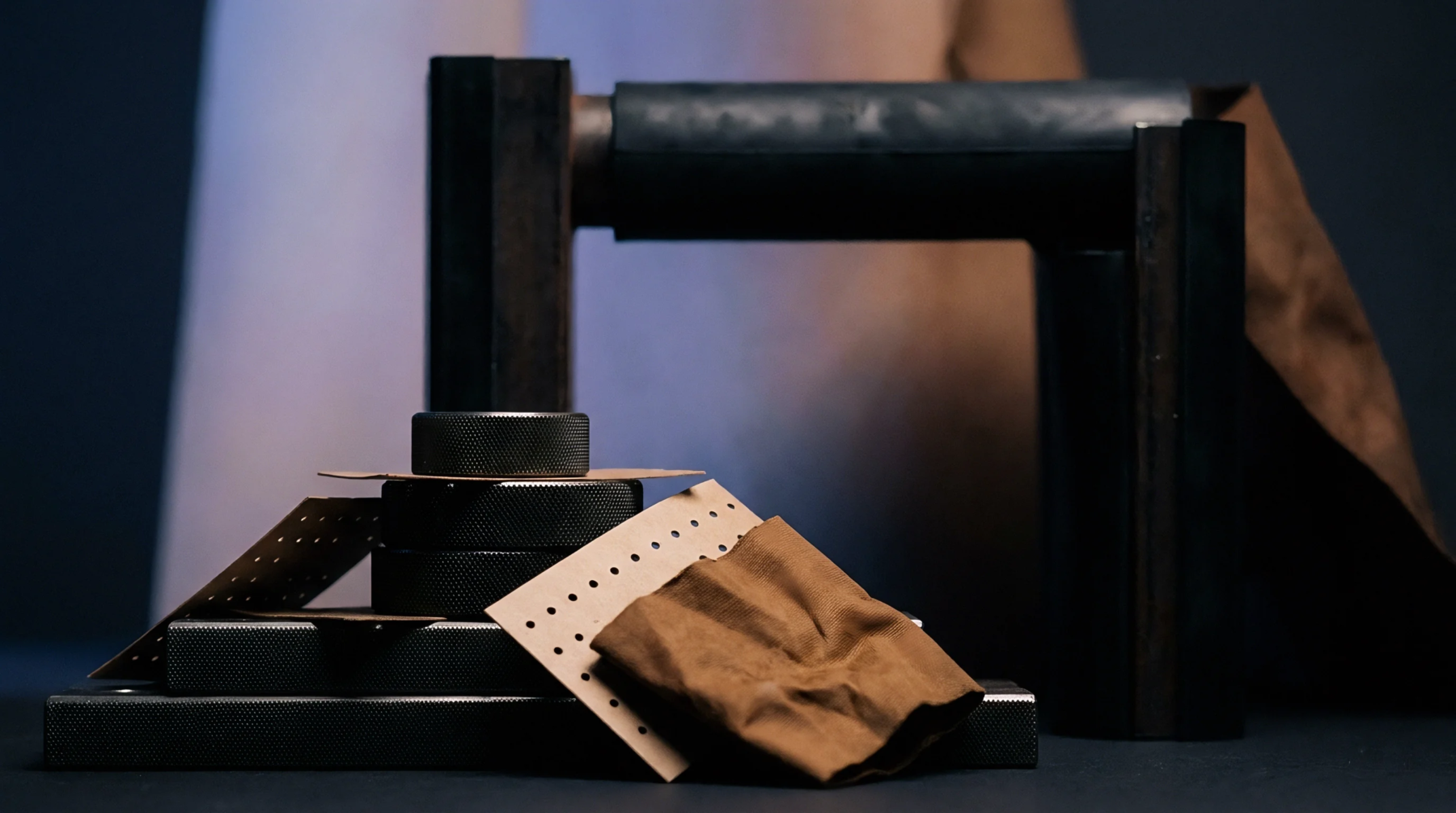
Surface Treatment
Paper products categorized under heading 4811 undergo specialized finishing processes to modify their functional properties for specific industrial applications. These materials carry coatings, impregnations, or laminations applied to one or both sides to improve barrier performance, appearance, or printability. Base paper from earlier headings serves as the substrate, while the classification depends entirely on the nature of the applied layer rather than the underlying pulp composition.
Chemical Barrier
Application of waxes, plastics, or metallic pigments creates a functional layer that prevents the migration of moisture, grease, or oxygen through the substrate. Manufacturers monitor the grammage of these coatings to ensure the final product meets the requirements of food contact compliance or shelf life extension in packaging environments. Precise control over the thickness of the coating prevents curling during the converting process and preserves the dimensional stability of the roll.
Regulatory Scope
Legal classification within this heading relies on the distinction between simple surface sizing and the application of a distinct, functional layer that alters the character of the paper. Standard testing protocols verify whether the material retains the properties of paper or shifts into the category of plastic laminate based on the ratio of added material to fibre mass. Products failing to reach the required performance threshold remain under the heading for base paper, whereas those exceeding it trigger specific duties related to coated or impregnated stock.
Compliance with these technical boundaries ensures consistent tariff treatment across global supply chains.