Surface Energy Decay Evaluation in Thermal Lamination Film Processing
Thermal lamination surface energy decays via polar group reorientation and slip agent migration, requiring strict dyne verification before secondary passes.

Layer
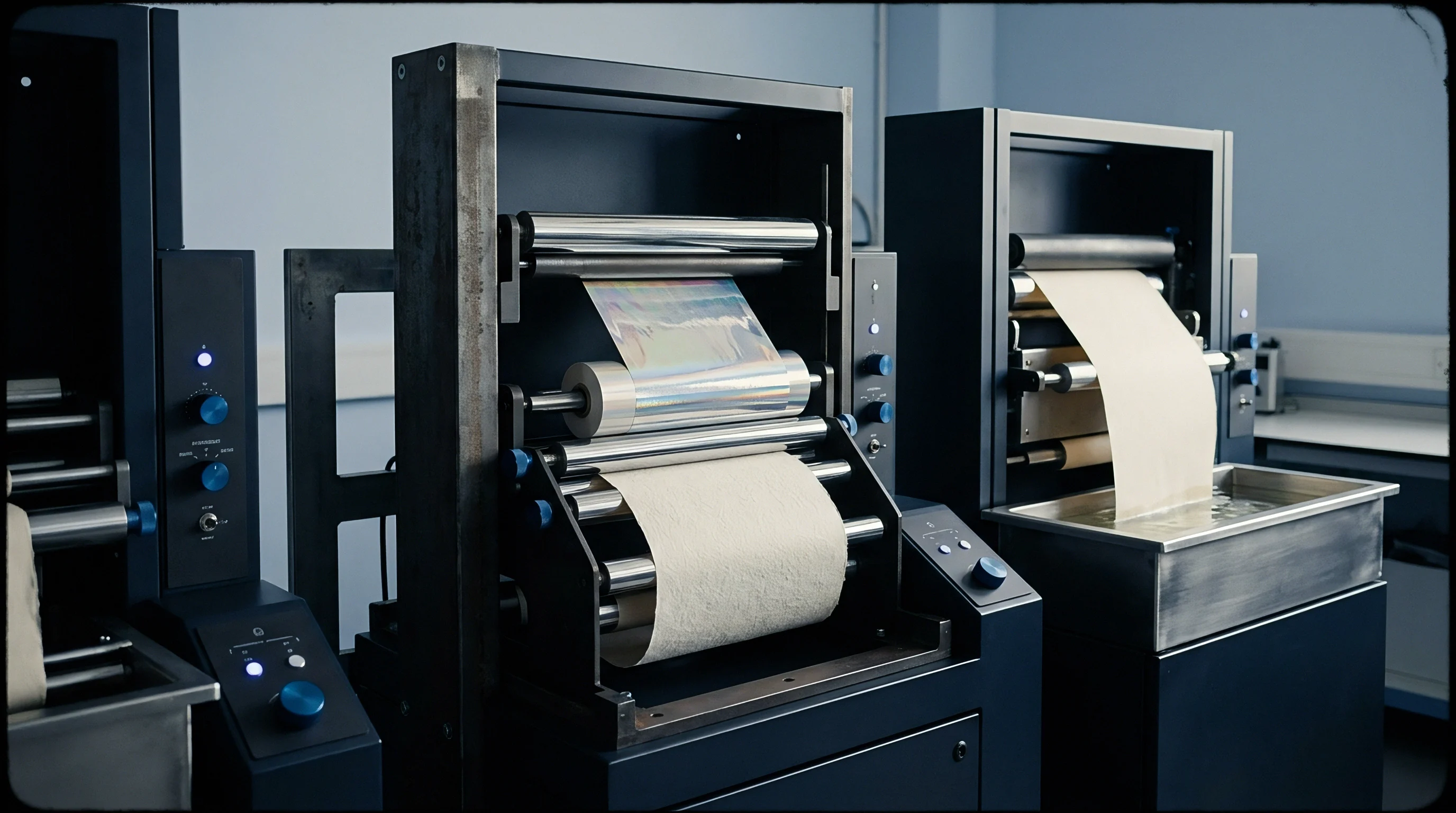
Polymers extruded for thermal lamination arrive on the pressroom floor with artificial oxidation applied during production. Non-polar polyolefins such as oriented polypropylene (BOPP) have an inherent surface energy around 30 mN/m to 32 mN/m, which leaves them unreactive to downstream inks, lacquers, and adhesives. Extrusion lines run the film web through a high-voltage corona discharge or dielectric barrier plasma treater, where electrical ionization breaks carbon-hydrogen bonds along the polymer backbone to yield reactive free radicals that bind with atmospheric oxygen.
The treatment introduces polar functional groups ~ primarily hydroxyl, carbonyl, carboxyl, and ester species ~ into the top 5 nanometers of the film face, raising total surface free energy into an operational window of 42 mN/m to 46 mN/m for initial wetting by molten adhesives and secondary embellishments.
Boundary Chemistry and Additive Migration
Introducing oxygen-bearing polar functional groups into non-polar polyolefin structures via corona discharge creates a high-energy surface state that remains thermodynamically unstable. Intrinsic polymer chain mobility drives the system to lower its total surface free energy over time, causing polar groups to gradually rotate away from the air-polymer interface and draw back into the hydrophobic polymer matrix. As heat accelerates additive migration, low-molecular-weight additives incorporated during polymer synthesis ~ specifically slip agents like erucamide or oleamide alongside anti-static agents and antioxidant stabilizers ~ exude outward to the exterior boundary layer.
Slip agents reduce internal friction during web handling. These fatty acid amides migrate continuously to the surface, creating a microscopic, low-energy paraffin-like coating. This additive film physically masks the underlying oxidized polar sites, dropping measured dyne values back down toward 34 mN/m to 36 mN/m over storage periods ranging from 30 to 90 days.
The rate of hydrophobic recovery and additive exudation depends directly on polymer crystallinity, storage temperature, and initial additive concentration.
Corona discharge oxidation creates metastable polar groups that reorient toward the polymer bulk when stored above room temperature.
Thermal Nip Stress Acceleration
Heat input during processing energizes polymer chains within the polyolefin film matrix. Thermal lamination passes the web between a heated chrome cylinder and a rubber-covered impression roll under linear pressures of 20 N/mm to 50 N/mm. Processing temperatures typically range from 100°C to 130°C to melt the heat-activatable adhesive layer, which consists of ethylene-vinyl acetate (EVA) or ethylene-acrylic acid (EAA) copolymers.
This thermal spike penetrates the base film, temporarily elevating chain segment mobility. The kinetic energy input accelerates both the thermodynamic relaxation of rotated polar groups and the diffusion rate of internal slip additives toward the outer surface.
Primary operational factors driving surface treatment degradation include:
- Thermal history during lamination accelerates diffusion rates of fatty acid amides toward the outer interface.
- High storage ambient temperatures supply continuous thermal energy that promotes chain segment rotation into the bulk polymer matrix.
- High relative humidity exposure allows water molecules to hydrogen-bond with surface carbonyl groups, altering local surface charge distribution.
- Excessive rewind web tension forces intimate contact between the treated film face and the untreated adhesive backing, inducing polar group transfer.
Dyne loss after ninety days traces to ambient storage humidity or high initial slip-agent dosage during extrusion.
Probe
Quantifying surface energy on converting floors rests on liquid wettability principles. When liquid contacts a solid polymer face, the contact angle forms as a balance between liquid surface tension, solid surface energy, and interfacial tension at the liquid-solid boundary. Standard testing uses calibrated liquid mixtures with known surface tensions, measured in dyne/cm or mN/m, to determine the critical surface tension of wetting.
A liquid wets the substrate completely when its surface tension falls below or matches the critical surface energy of the solid film.
Surface Energy Measurement Protocols
Standardized test solutions evaluate surface tension by observing wetting behavior across specified dwell times. Standard mixtures of formamide and 2-ethoxyethanol provide fluid surface tensions ranging from 30 mN/m to 60 mN/m in increments of 2 mN/m. Although dyne pens containing these chemical mixtures offer quick shop-floor feedback, they introduce contamination risk.
Solvents inside opened felt-tip marker pens evaporate selectively over time, shifting the fluid concentration and altering the true dyne rating of the marker dispensing tip. Press operators must use fresh bottled dyne solutions applied with clean cotton swabs to verify incoming stock accurately.
Standard incoming verification of thermal lamination film surface treatment follows a structured, step-by-step sequence:
- Condition film swatches inside a controlled atmospheric chamber at 23°C and 50 percent relative humidity for 24 hours prior to testing.
- Lay the test sample flat on a smooth, hard surface with the treated face oriented upward, avoiding manual contact with the test region.
- Saturate a clean cotton applicator swab with a known dyne solution from a sealed glass bottle.
- Spread the test liquid lightly over an area of 5 square centimeters using a continuous stroke.
- Observe the liquid film under direct lighting for exactly two seconds to check whether the fluid film remains continuous or beads up into discrete droplets.
- Repeat the test with a higher or lower dyne concentration fluid until finding the highest value fluid that wets the surface continuously for two full seconds.
ISO 8296 requires test fluid application within two seconds at twenty-three degrees Celsius and fifty percent relative humidity to prevent solvent evaporation from skewing reading accuracy.

Contact Angle Partitioning via Polar and Dispersive Components
Goniometric analysis resolves total surface free energy into distinct surface energy forces. Applying the Owens-Wendt-Rabel-Kaelble (OWRK) model requires measuring contact angles produced by at least two liquids of contrasting polar and dispersive characteristics, typically deionized water and diiodomethane. Water acts as a strongly polar probe fluid, while diiodomethane acts as a purely dispersive probe fluid.
Dyne pens measure only total surface tension and fail to isolate whether dyne loss stems from missing polar sites or heavy additive contamination. Contact angle goniometry isolates these underlying mechanisms.
Because solvent evaporation ruins test liquids and rough board profiles distort contact angles, accurate surface evaluation requires balancing floor testing speed against laboratory instrument precision.
| Evaluation Method | Chemical Chemistry Basis | Component Resolution | Operating Accuracy Range | Floor Calibration Limit |
|---|---|---|---|---|
ISO 8296 Annex A specifies that dyne solution sets older than six months from opening invalidate incoming inspection claims on film lots.
Press
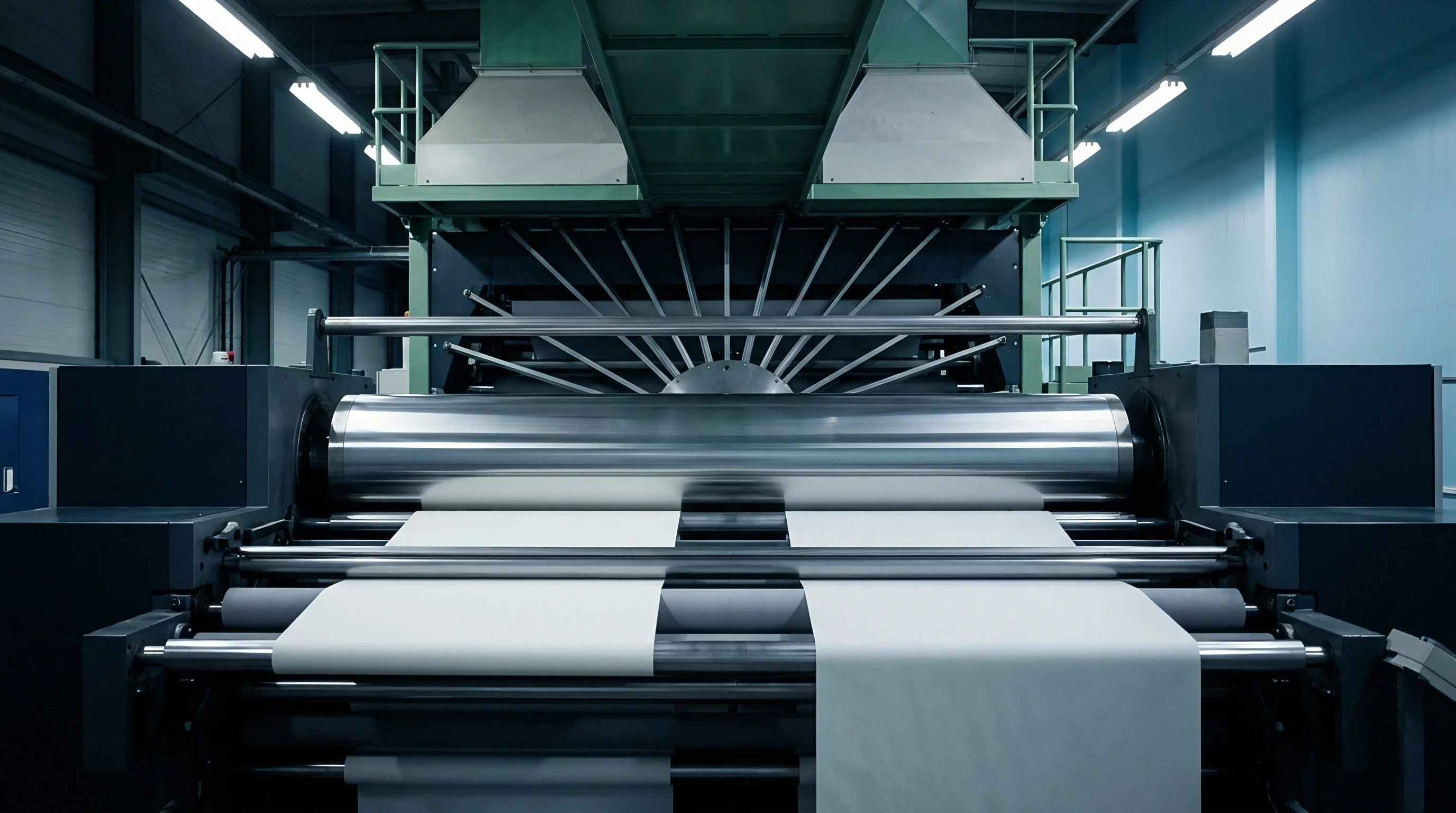
Operating parameters on a lamination line directly dictate the rate of chemical decay. Thermal laminators run a continuous process where paperboard and plastic film pass simultaneously through a heated nip assembly. Mechanical pressure forces the softened adhesive layer into the surface pores of the paperboard, establishing a mechanical and chemical bond.
Thermal energy transferred through the web during this process alters the physical state of the base film itself. High line temperatures combined with high nip pressure induce residual stress within the film matrix, promoting post-lamination molecular relaxation.

Thermal Line Parameters and Core Heat Retention
Roll temperature and mechanical pressure melt the adhesive layer while elevating substrate kinetic energy. Heating cylinder setpoints typically range between 110°C and 125°C for standard 12-micron to 25-micron thermal BOPP films. Speed control determines thermal dwell time inside the nip zone.
Running a line at 60 meters per minute under a 10-centimeter nip contact width produces a thermal dwell time of approximately 0.1 seconds. Lowering processing speed to 30 meters per minute doubles dwell time to 0.2 seconds, transferring significantly more heat into the body of the film face.
Heated film wound tightly onto a core under high web tension retains heat inside the roll for up to 24 hours, effectively transforming the rewound roll into a thermal conditioning chamber. Internal temperature retention above 45°C inside the rewound roll speeds up the migration of erucamide slip agents to the film surface. The outer face of the film contacts the adhesive backing under high contact pressure, facilitating the transfer of migrating slip additives directly onto the treated corona face.
| Film Substrate Type | Nip Temp Range (°C) | Nip Pressure (N/mm) | Initial Dyne Level (mN/m) | 30-Day Decay at 23°C (mN/m) |
|---|---|---|---|---|

Envelope Dynamics across Film Substrates
Polyethylene terephthalate maintains polar stability longer than oriented polypropylene under identical storage environments. PET film features a higher glass transition temperature near 70°C, compared to polypropylene at -10°C. Polymer chains in PET remain rigid at ambient temperatures, inhibiting both hydrophobic reorientation of polar groups and internal additive diffusion. Conversely, BOPP film chains remain flexible at room temperature, allowing rapid surface restructuring and faster slip agent transport to the outer interface.
Optimizing process settings during thermal lamination requires balancing bond strength against surface decay risks:
- Cooling roll integration lowers web temperature immediately prior to rewinding to halt slip agent migration.
- Controlled rewind tension profiles prevent physical transfer of low-molecular-weight fractions between tightly packed roll layers.
- Modulated nip temperatures maintain adhesive melt flow without over-heating the base polymer matrix.
- Short storage duration limits schedule secondary finishing passes within 72 hours of lamination processing.
A thirty-degree temperature elevation inside a rewound film roll doubles the migration rate of erucamide slip additives over the first forty-eight hours of storage.
Consider a converting run using 350 gsm solid bleached sulfate (SBS) paperboard laminated to 15-micron matt BOPP film. The laminator operates at 118°C roll temperature, 40 N/mm nip pressure, and 45 meters per minute web speed. Initial surface tension measured on the raw film roll reads 44 mN/m.
Right after lamination, the sheet surface energy drops to 41 mN/m due to heat-induced polar group rotation. Storage of the tightly rewound pallet over 14 days at 28°C ambient warehouse temperature allows erucamide slip agents to migrate, dropping the surface energy down to 35 mN/m. This value falls below the operational window required for UV spot varnish adhesion.
Standard plant practice dictates cooling rewound laminated rolls to ambient room condition before moving them to secondary conversion passes.

Drift
Downstream surface enhancement failures originate from lost wettability on the exterior film surface. Secondary operations like UV spot varnishing, hot foil stamping, and folding box joint gluing require high surface free energy to form durable mechanical and chemical bonds. When surface energy drops below the liquid surface tension of an applied UV lacquer, spot varnish crawls as the wet ink film breaks into beads rather than forming a continuous smooth layer.
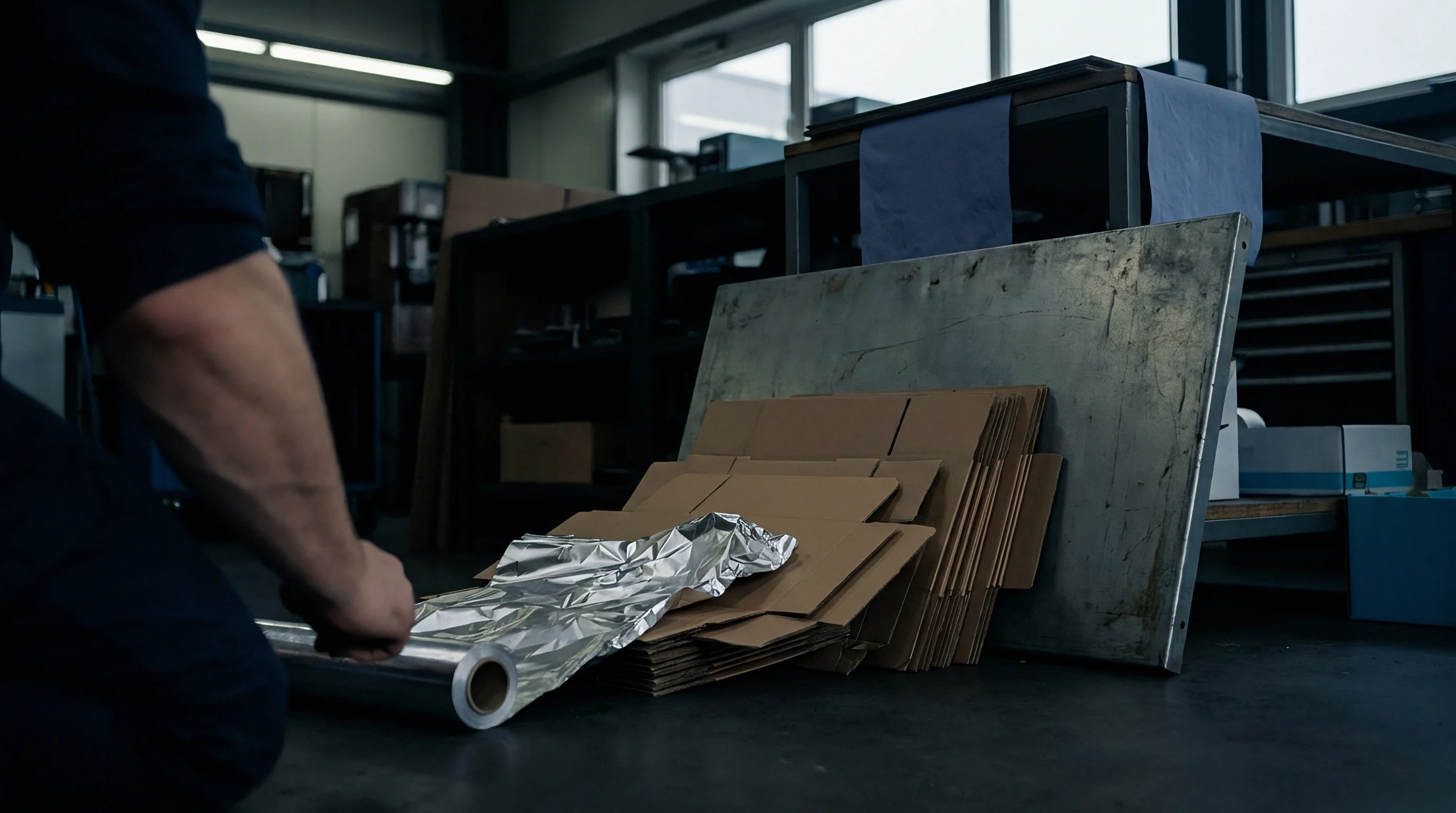
Foil adhesives similarly fail to cross-link with low-energy substrates, leading to complete foil detachment during die-cutting or handling.
Does Accelerated Thermal Aging Predict Field Dyne Loss?
Laboratory conditioning at elevated temperatures simulates months of shelf storage within days. Testing protocols place film samples in forced-air ovens at 50°C for 24 to 72 hours to accelerate additive diffusion and polar group relaxation. Thermal aging profiles provide comparative stability data across different film suppliers, but accelerated thermal exposure does not duplicate ambient aging mechanisms perfectly.
Excess heat can induce additive crystallisation or volatilization modes that do not occur during normal warehouse storage at 20°C.
| Conversion Operation | Minimum Dyne Level (mN/m) | Adhesion Test Standard | Primary Failure Indication |
|---|---|---|---|
Secondary Finishing Failure Thresholds
Adhesion between topcoat lacquers and laminated film faces breaks down below critical surface tension limits. UV-curable coatings possess liquid surface tensions between 32 mN/m and 36 mN/m. A minimum surface energy differential of 4 mN/m to 6 mN/m above the liquid tension is necessary to guarantee complete surface wetting and pinhole-free coverage.
Water-based emulsion glues used on automatic folder-gluers require higher surface energy, needing at least 42 mN/m to achieve structural fiber tear. Installing a dielectric barrier discharge treating station immediately prior to varnish application restores surface tension to 46 mN/m, overcoming natural decay.
Technical dossiers for film lot qualification must document specific baseline properties:
- Extrusion slip agent concentration stated in parts per million to predict maximum expected surface exudation.
- Initial post-treatment dyne rating certified per ISO 8296 at the time of slitting and shipment.
- Decay slope curves charting surface tension loss over 30, 60, and 90 days under standard storage conditions.
- Re-treatment responsiveness defining surface tension gains achieved via secondary inline corona treatment.
Hot foil release clean cuts require higher polar surface tension than flood UV varnish coating.
Converting lines continue to dispute whether inline atmospheric plasma treatment permanently alters surface chemistry without inducing pinhole micro-defects in thin extrusion coatings.
Clause
Commercial contracts in print converting assign clear financial liability for surface tension degradation. Lamination film specifications that fail to state a minimum surface energy retention limit at the time of converting leave buyers exposed to total job loss. Standard purchasing terms must establish surface energy acceptance thresholds at the point of secondary processing, rather than relying solely on manufacturer certificates of analysis issued at the film mill.
Material rejections must be executed before applying expensive varnishes or hot foil embellishments.

Commercial Risk and Specification Guarantees
Unverified surface energy loss creates severe liability during post-press carton converting. Supply contracts should specify that thermal lamination films maintain a minimum surface tension of 40 mN/m for 60 days post-delivery under standard storage conditions. Incorporating clear test protocols into procurement agreements allows converters to submit formal non-conformance claims when delivered film stock drops below operational dyne thresholds prior to expiration dates.
Yield Loss and Reprocessing Economics
Scrapping an entire production lot due to ink delamination destroys line margin, and while re-treating film is possible, it adds process complexity. When a 25,000-sheet run of 350 gsm SBS board laminated with 15-micron matt BOPP film suffers surface decay down to 34 mN/m, UV spot varnish fails to adhere. The material loss includes paperboard stock, lamination film, machine time, and setup waste.
Consider the financial impact on a production batch of 25,000 sheets:
- Paperboard material cost equals 14,000 USD for SBS stock.
- Thermal lamination pass outlay adds 3,500 USD in film material and operating time.
- Make-ready waste and set-up spoilage adds 1,200 USD in lost line capacity.
- Secondary UV varnish pass charges cost 2,800 USD, which is completely lost if adhesion fails.
Adhesion failure invalidates the entire production run. The total financial loss reaches 21,500 USD from a single unverified surface tension drop. Passing the board through an offline corona treating unit to restore surface energy adds an unexpected pass cost of 60 USD per thousand sheets, plus a 24-hour scheduling delay.
Accepting thermal lamination film without written surface decay retention limits risks full pallet scrapping when downstream UV spot varnish lifts during automatic folding-gluing operations.