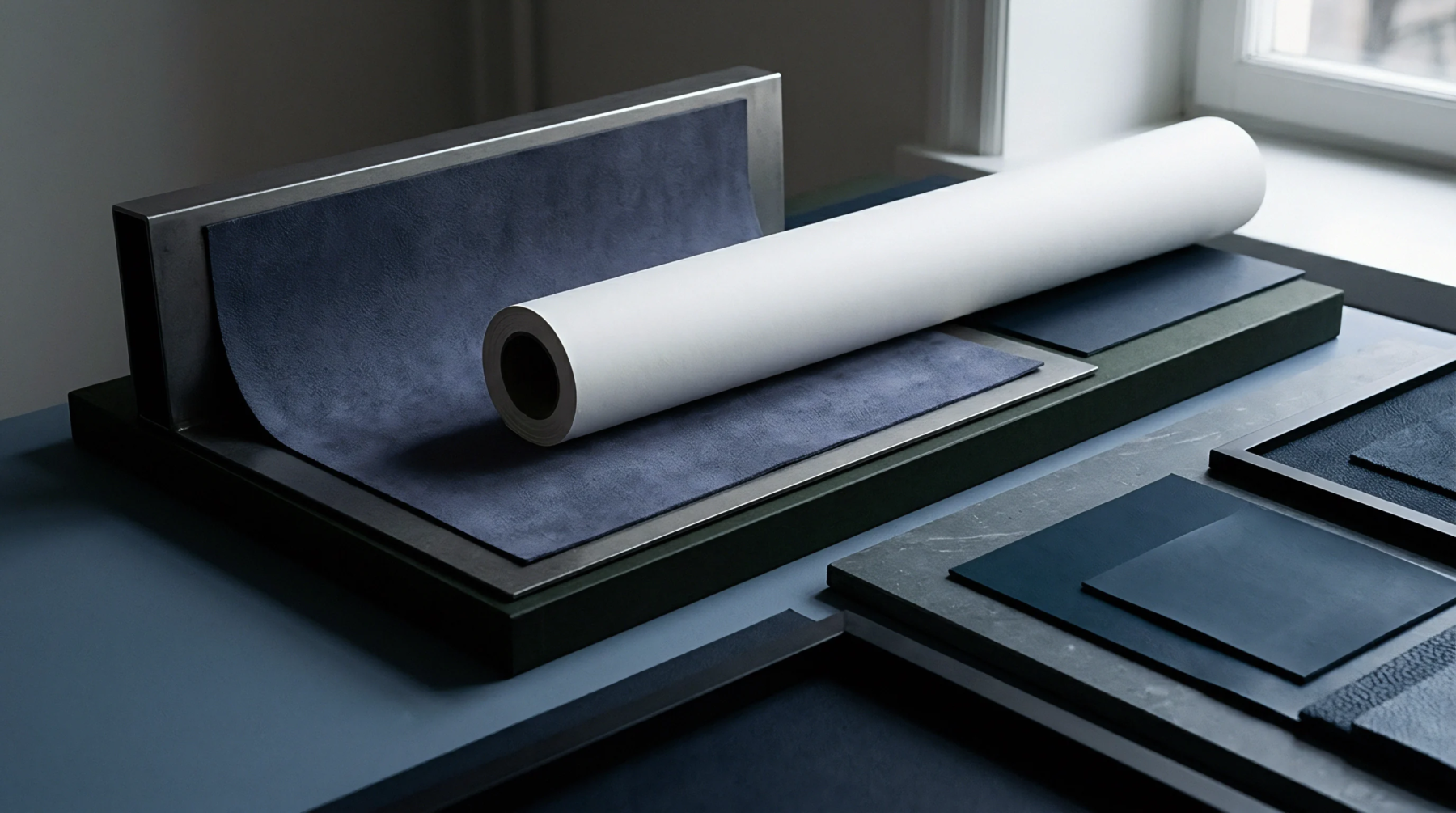
Composite Substrate
Specialized plastic layers coated with a heat activated adhesive allow for the permanent protection and enhancement of printed paper surfaces. The use of thermal lamination film provides a durable finish that resists water, grease, fingerprints and environmental humidity, making it suitable for menus, book covers, luxury packaging and point of sale displays. This material consists of a base film, typically oriented polypropylene or polyester, and a thin extrusion of a low melt polymer.
Bonding Mechanism
Application of the film occurs as it passes through a heated nip roller, which melts the adhesive layer and presses it into the fibres of the paper. Since thermal lamination film does not require the use of liquid solvents, it is a cleaner and more environmentally friendly alternative to wet lamination processes. The temperature of the roller must be precisely controlled to ensure the adhesive flows correctly without distorting the base film.
Pressure and speed also contribute to the final bond strength, which must be high enough to resist delamination during subsequent folding or die cutting.
Visual Variety
Different surface treatments applied during the manufacturing of the film create a wide range of aesthetic effects, from high gloss, deep matte, soft touch or sand finishes. Because thermal lamination film is available in various thicknesses, it can be used to add stiffness to a thin paper or provide a flexible skin for a heavy board. High clarity versions ensure that the colours of the print remain vibrant and accurate, while specialty films can offer anti scratch or anti microbial properties.
The choice of film depends on the final use of the product and the specific mechanical stresses it will encounter in the field.