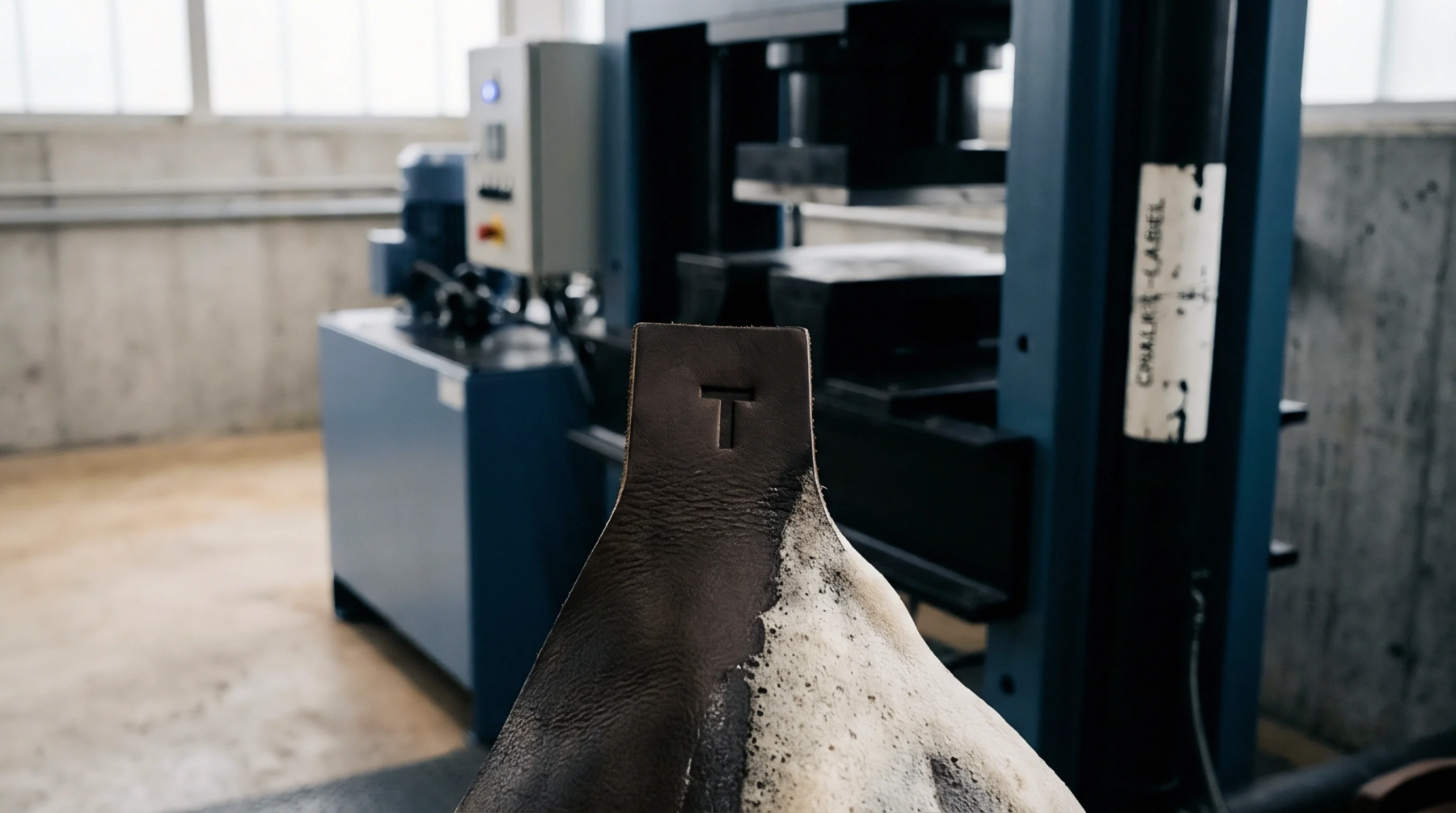
Pressure Uniformity
Hydraulic or mechanical force applied across a cylinder gap regulates the quality of ink transfer from the plate to the substrate. Impression control dictates the precision of this contact, ensuring the nip width remains constant throughout the entire print cycle. Variations in this force create uneven density or dot gain across the surface, which compromises the fidelity of the final image.
Tolerance Management
Operators adjust the settings based on the caliper of the paper stock and the hardness of the rubber blanket. Proper calibration prevents crushed fibres while maintaining sufficient contact to lift pigment from the gravure cells or offset plates. Thick, porous sheets require lower pressure than thin, coated materials to avoid substrate damage.
Precise regulation of the squeeze ensures that the mechanical load does not exceed the structural limits of the printing press components.
Mechanism Consistency
Load sensors monitor the force applied to the support rollers to identify deviations during high speed production. These systems automatically adjust hydraulic actuators when the substrate thickness fluctuates. Software platforms calculate the required pressure based on the physical properties of the print stock and the viscosity of the ink.
Stable pressure control keeps the output within narrow colour deviations and eliminates mechanical ghosting defects. Consistent force application across the full width of the web prevents premature wear on the impression rollers and preserves the integrity of the blanket surface.