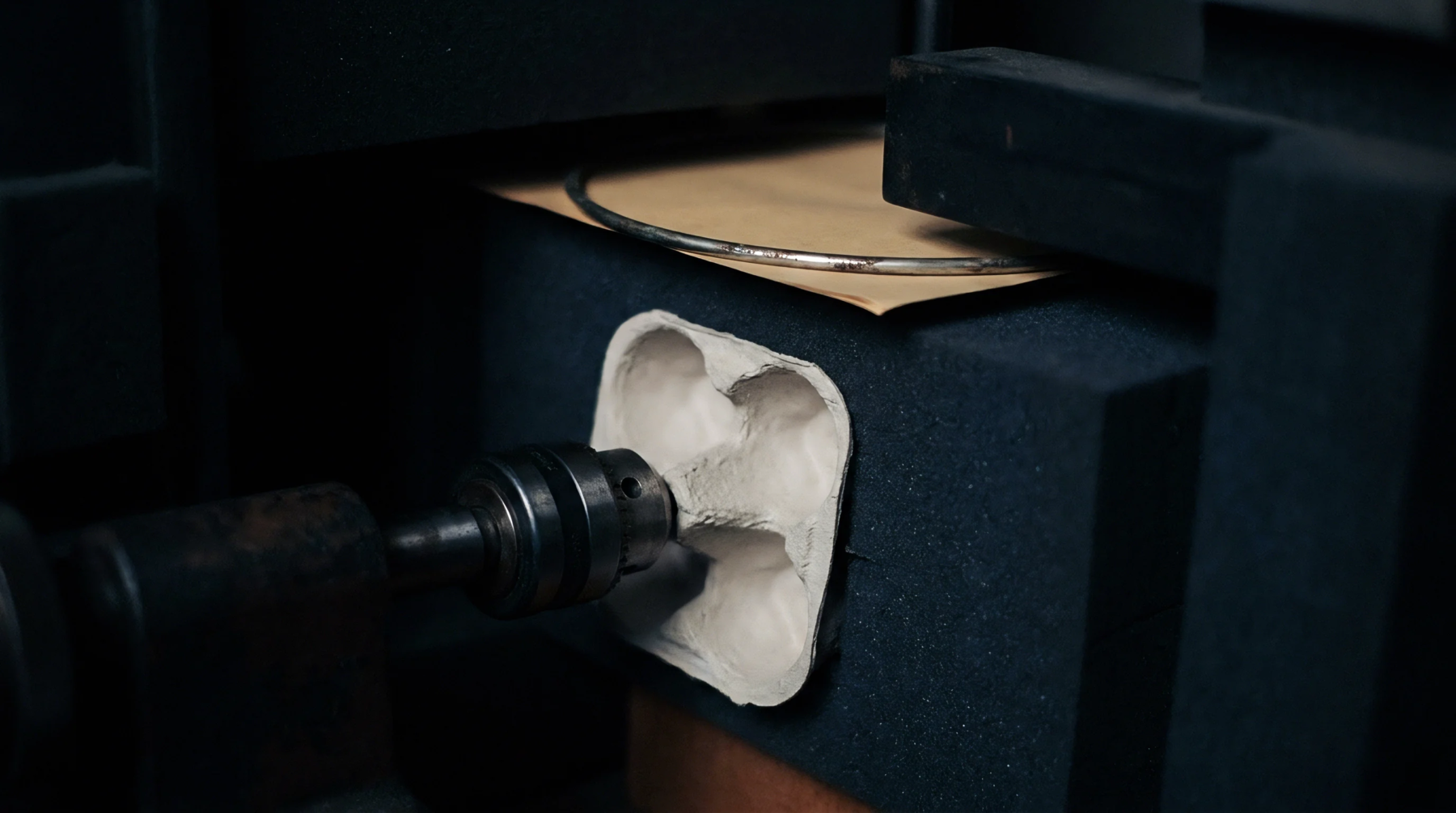
Adhesion Zone
Contact boundaries between applied polymer films and the underlying paperboard substrate determine the mechanical integrity of multi-layer packaging materials. The polymer cellulose interface forms when molten resin is extruded onto the fiber network during the coating process. This boundary must remain stable to prevent the barrier layer from peeling away under mechanical load.
Bonding Mechanism
Surface chemical reactions and physical interlocking secure the polymer layer to the porous cellulose fibers. In extrusion coating, a strong polymer cellulose interface is achieved by pre-treating the paperboard with corona discharge and maintaining high melt temperatures. This heat oxidized the polymer, creating carboxyl groups that bind with the hydroxyl groups of the cellulose.
This oxidation enhances the adhesion between the plastic film and the paperboard surface.
Coating Durability
Converting operations like creasing and folding subject the coated board to high shear forces that test the strength of the boundary. If the polymer cellulose interface is weak, the plastic film will lift from the board, creating pockets that allow moisture or gases to bypass the barrier. This failure can ruin the freshness of packaged food or cause the package to fail along its sealed seams.
Choosing the right priming treatment protects this interface from moisture degradation during cold-chain storage.