Secondary Raw Material
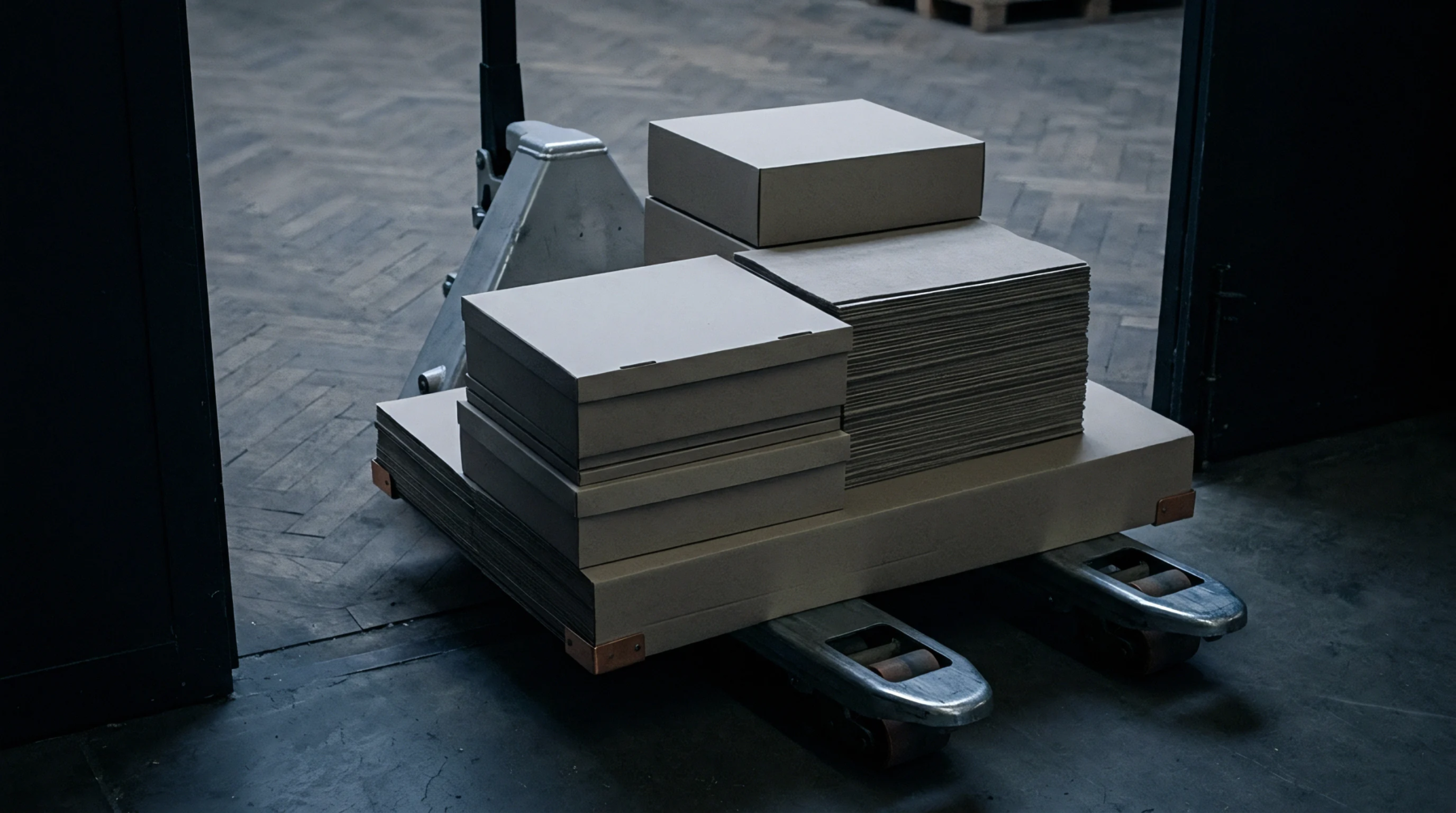
Cellulose strands recovered from post consumer or post industrial waste streams provide a sustainable alternative to virgin wood pulp. The use of recycled fiber reduces the demand for harvested timber and lowers the energy required for initial pulping. These fibers are typically sorted into grades such as old corrugated containers or de inked office waste before being returned to the mill.
Processing Requirement
Preparing the material for reuse involves extensive cleaning and screening to remove contaminants like plastic and glass. A process called de inking removes pigments and binders from printed paper to improve the final brightness of the pulp. During each recycling cycle, the individual fibers become shorter and less flexible as they undergo mechanical stress and drying.
This degradation limits the number of times a specific batch of recycled fiber can be reprocessed before it loses its bonding strength.
Structural Integrity
Manufacturers often blend these secondary materials with virgin pulp to maintain the necessary stiffness and burst strength for packaging. High levels of recycled content are common in folding boxboard and linerboard where the cost savings are most apparent. However, the presence of residual adhesives and mineral oils requires careful monitoring for food contact applications.
Functional coatings are frequently applied to the surface of recycled board to provide a smooth printing surface and to act as a migration barrier. The environmental benefit of this material must be balanced against the increased need for chemical additives to restore the performance properties of the sheet.