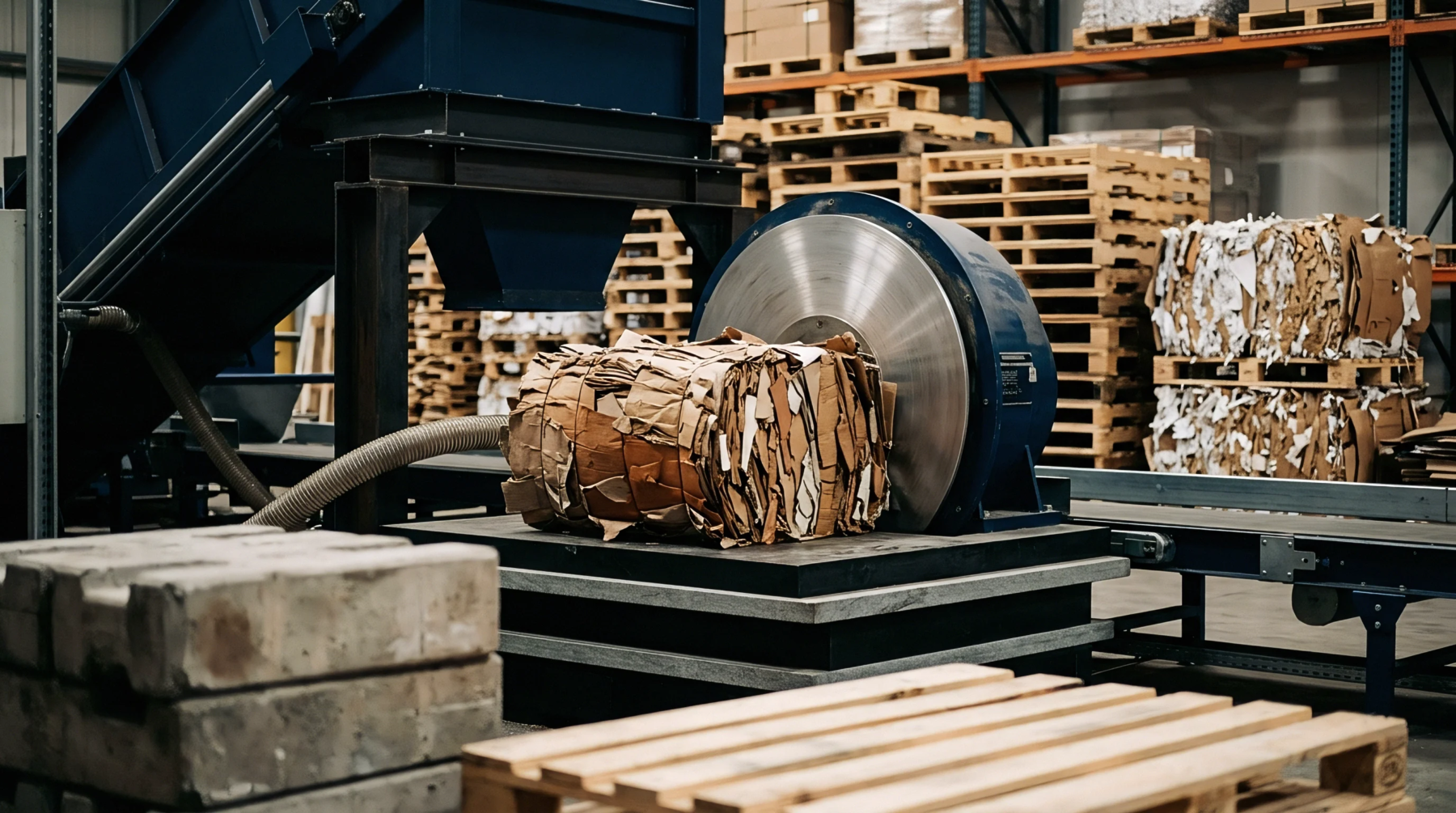
Stacking Resistance
Mechanical testing of corrugated boxes and paperboard packaging measures the maximum force a container can withstand before it buckles or collapses. Top-to-bottom compression is the vertical force applied to a finished box during a standardized laboratory crush test, simulating the loads experienced in warehouse stacks. This value determines the stacking limit for the shipping boxes, helping logistics planners design safe pallet heights and container layouts.
The measurement ceases to be accurate if the box is subject to side-loads or shear forces during transit.
Material Factors
The ability of a box to resist this vertical force depends on the structural strength of the corrugated sheet, specifically the edge crush resistance of the board. In top-to-bottom compression tests, the corners of the box support most of the weight, so any weakness in the scores or joints will significantly reduce the box’s strength. High relative humidity in warehouses can also weaken the fibers, reducing the compression resistance by half over a few weeks.
Engineers must use safety factors when calculating stacking limits to account for these environmental variables.
Warehouse Safety
A high compression strength prevents boxes from collapsing and damaging the contents when stacked on pallets. This rating provides the safety data needed to avoid accidents and inventory loss in distribution centers. This test is a fundamental quality control step for all corrugated transit packaging.