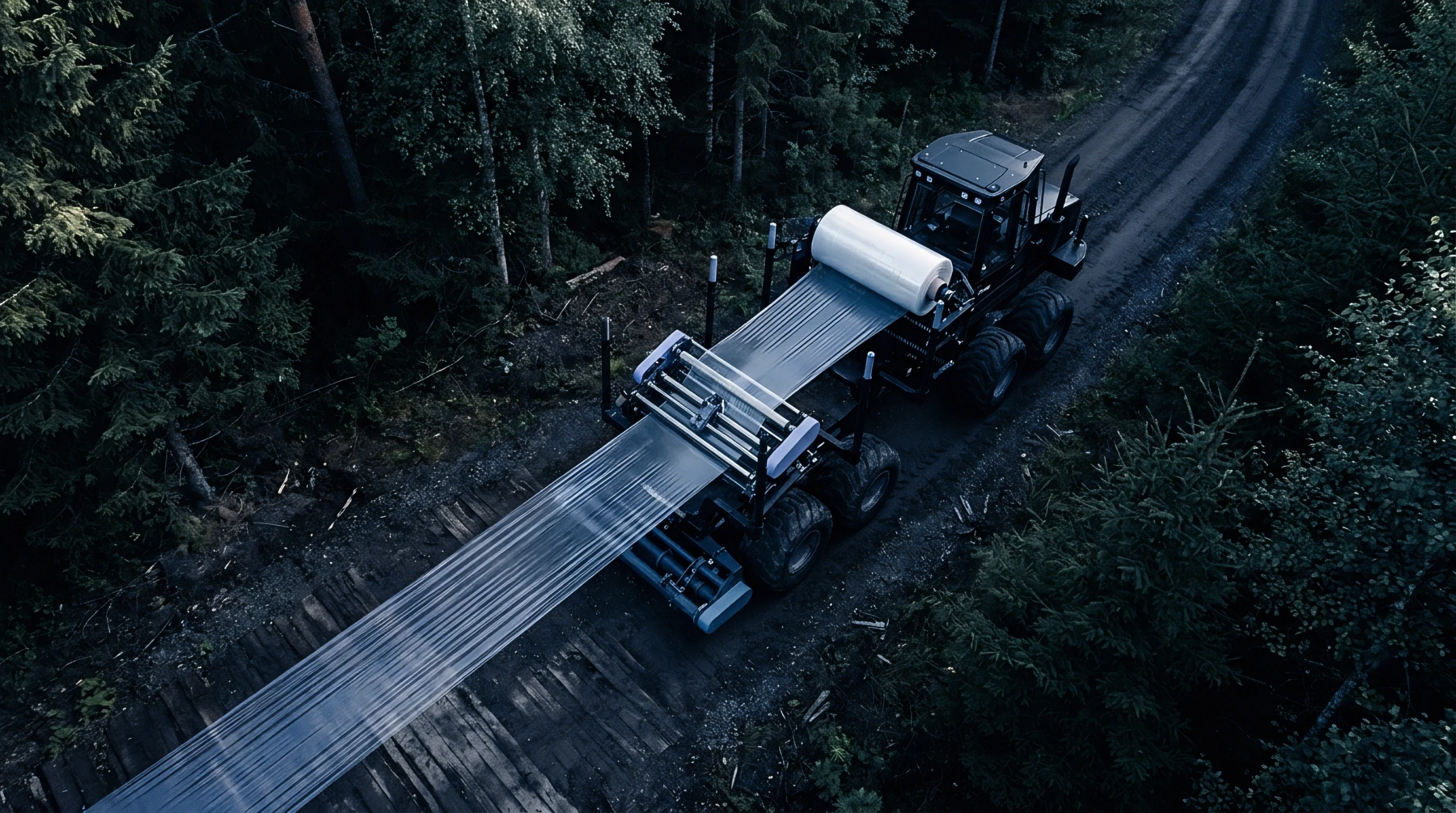
Liquid Coating
Aqueous suspensions of polymer particles formulated to create a protective, non-porous film upon drying are widely used as sustainable alternatives to traditional plastic laminates. Application of a waterborne barrier dispersion to paperboard provides resistance to water and oil. This coating is dried on the paper machine or during converting, leaving a thin protective layer that does not interfere with the recycling of the underlying paperboard.
Formulation Chemistry
Synthetic polymers such as acrylics and styrene-butadiene copolymers form the basis of these aqueous mixtures. To optimize performance, the formulation of a waterborne barrier dispersion may include mineral fillers like clay or talc, which create a tortuous path that slows down the diffusion of moisture molecules. High solids content is preferred to reduce the energy required for drying, which increases the runnability of the coating line.
The resulting dry film is flexible enough to withstand folding and scoring without cracking.
Recyclability Benefit
Ease of repulping represents the main advantage of these coated substrates over traditional wax or polyethylene laminated boards. When recycled, the paperboard treated with a waterborne barrier dispersion breaks down easily in a standard hydrapulper, allowing the polymer particles to be separated from the wood fibres during screening. This characteristic prevents the formation of sticky deposits on the papermaking machinery and ensures that the recovered fibres can be reused in high-quality paperboard products.
Consequently, this technology has become a favored solution for mills looking to produce recyclable food-service packaging.