Cross-Direction Web Moisture Correction Mechanics in High-Speed Converting Lines
Cross-direction web moisture correction requires closed-loop spatial steam or mist actuators tied to high-frequency inline sensors to prevent lamination curl.
Profile
Cross-directional moisture variations across paperboard webs create structural instabilities that disrupt downstream converting operations. When web speeds exceed six hundred meters per minute, localized moisture peaks expand the cell walls of hygroscopic wood fibers. This differential swelling creates localized length differences across the roll width, leading to baggy centers, tight edges, and web fluting under tension.
Converting lines running single-sided lamination or barrier coatings amplify these defects, as unequal moisture distribution prevents uniform surface adhesion and generates severe post-converting curl.
Hygroexpansion Anisotropy and Cross-Machine Moisture Streaks
Fiber alignment during sheet formation predisposes paperboard to dimensional movement predominantly in the cross-machine direction. Because individual cellulose fibers swell up to twenty times more in diameter than in length upon absorbing moisture, any cross-web moisture gradient induces non-uniform physical strain. Moisture streaks originate frequently in the press section of the paper machine through uneven nip pressure or felt clogging, passing through the dryer section where outer web edges dry faster than the web core.
By the time the web reaches high-speed converting lines, these moisture peaks create soft spots on the winding reel that distort the internal stress distribution of the roll.
Water drives fiber swelling. Converting unconditioned board with a cross-direction moisture variance exceeding zero point eight percent leads to immediate register misalignment on multi-pass rotogravure and flexographic presses. The web stretches unevenly through heated compression nips, shifting the target image relative to previous impressions.
In extrusion lamination, moisture streaks cause localized steam formation at the molten polymer interface, creating microscopic pinholes that destroy the oxygen and moisture barrier integrity of the finished structure.
The following failure modes indicate uncorrected cross-direction moisture imbalances during high-speed converting runs:
- Edge Fluting ~ Permanent plastic deformation along the roll margins caused by excessive web tension acting on dry, contracted paperboard edges.
- Gull Wing Curl ~ Asymmetrical transverse sheet curvature resulting from uneven moisture removal across a single-sided extrusion line.
- Blistering ~ Surface void formation occurring when internal moisture rapidly vaporizes within high-temperature nip contacts during foil stamping.
- Register Drift ~ Progressive longitudinal pattern mis-registration across distinct web zones caused by non-uniform web elongation under constant drive tension.
ISO 287 mandates gravimetric oven drying at one hundred five degrees Celsius to establish true reference web moisture content for dispute resolution.
Running high-speed converting equipment with uncorrected moisture profiles forces machine operators to lower line speeds by thirty to forty percent to prevent web breaks. Cold zones trap moisture. Operating below target speed inflates energy consumption per converted metric ton while increasing waste margins on high-value barrier substrates.
Steam
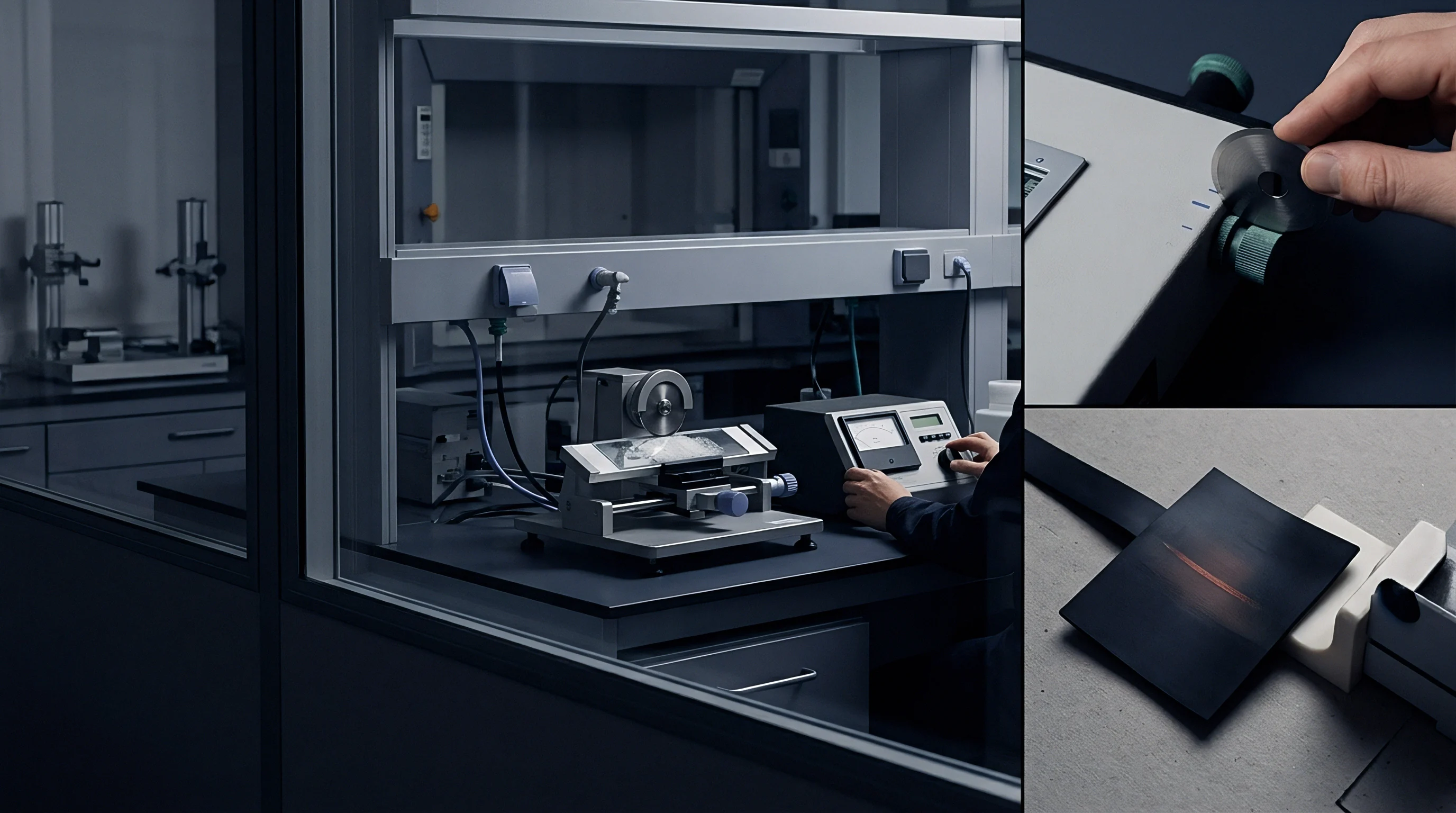
Segmented thermal application units apply latent energy to alter localized web moisture profiles prior to converting nips. Steam showers installed over web conditioning rolls introduce dry saturated steam into the paper matrix, raising web temperature while depositing fine condensate. The combination of heat and water lowers the elastic modulus of the cellulose fibers, allowing mechanical nip pressure to flatten the sheet while restoring uniform moisture across dry web zones.

Thermodynamic Principles of Condensation Absorption
Condensation transfer relies on maintaining a temperature differential between the vapor cloud and the cooler paperboard surface. As dry steam contacts the cold web, it immediately undergoes a phase change, releasing two thousand two hundred sixty kilojoules of latent heat per kilogram of water. This rapid thermal transfer increases the web temperature, which simultaneously lowers the surface tension of the liquid water and accelerates its capillary absorption into the fiber network.
Steam condensation happens rapidly.
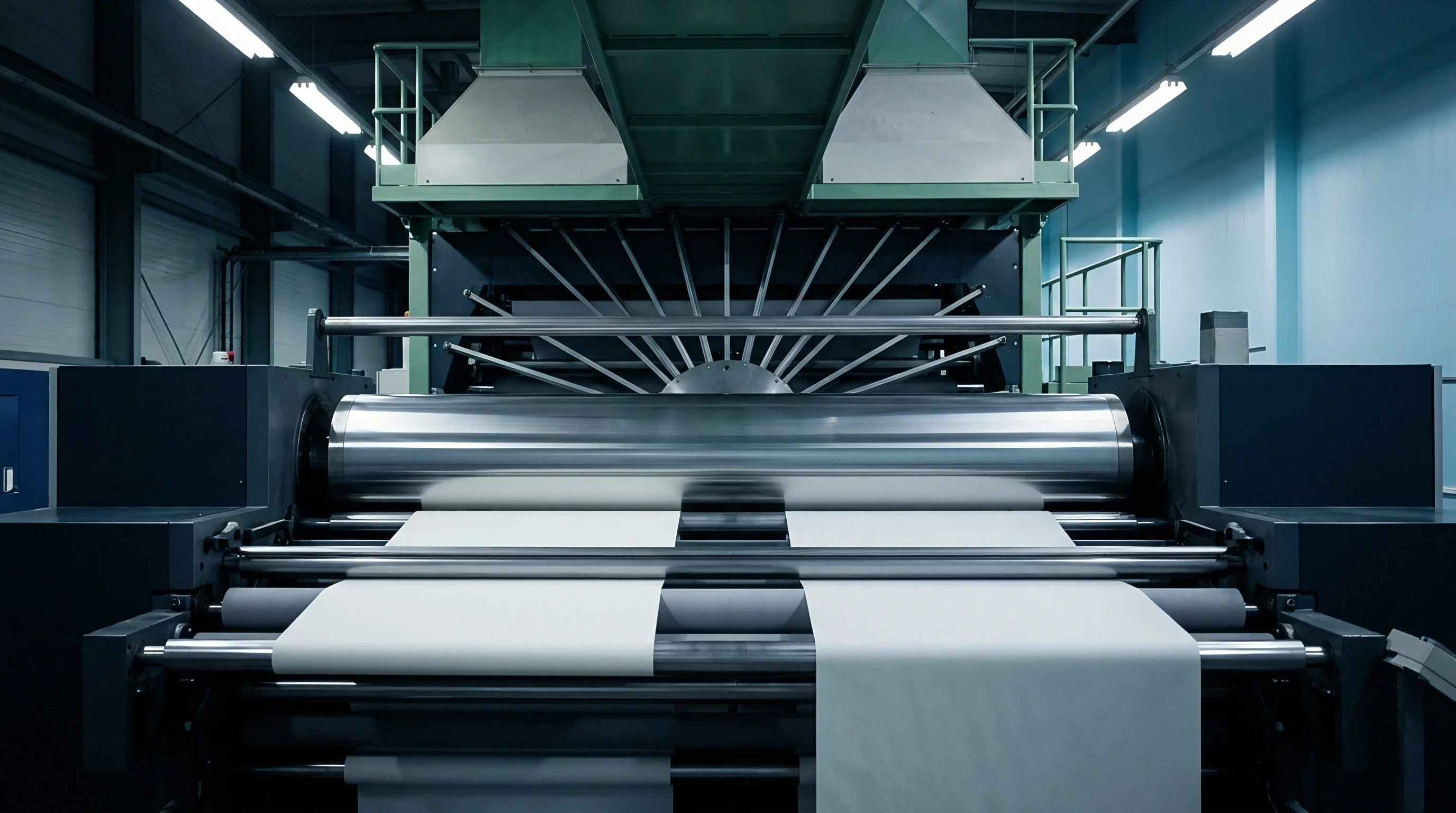
To control this process across wide conversion lines, automated manifolds divide the steam delivery hood into discrete control zones ranging from fifty to one hundred millimeters in width. Actuator valves governed by digital controllers adjust local steam volume based on feed-forward moisture profile maps. High-velocity air knives mounted immediately downstream prevent excess boundary-layer steam from drifting into adjacent lanes, preserving the sharp spatial resolution of the correction profile.
| Actuator Type | Spatial Resolution | Latent Heat Impact | Max Moisture Addition | Response Time |
|---|---|---|---|---|
Operational Execution of Moisture Correction Controls
Actuators alter moisture profiles. Establishing closed-loop moisture control on a high-speed converting line follows a mandatory mechanical bring-up sequence:
- Establish baseline web tension and set the target line speed to stabilize boundary layer air resistance.
- Engage the inline scanner to map the uncorrected cross-direction moisture profile over three full reel revolutions.
- Initialize actuator valve positions to fifty percent output across all spatial zones to establish baseline steam flow.
- Apply profile correction algorithms to adjust individual zonal valves, matching steam delivery to moisture deficits.
- Verify profile flattening on the downstream scanner while checking web surface temperature with infrared sensors.
Suppliers frequently claim that steam profiling systems eliminate all post-converting sheet warp, omitting the requirement for a minimum six-degree temperature delta between the incoming web and the steam environment.

Sensor
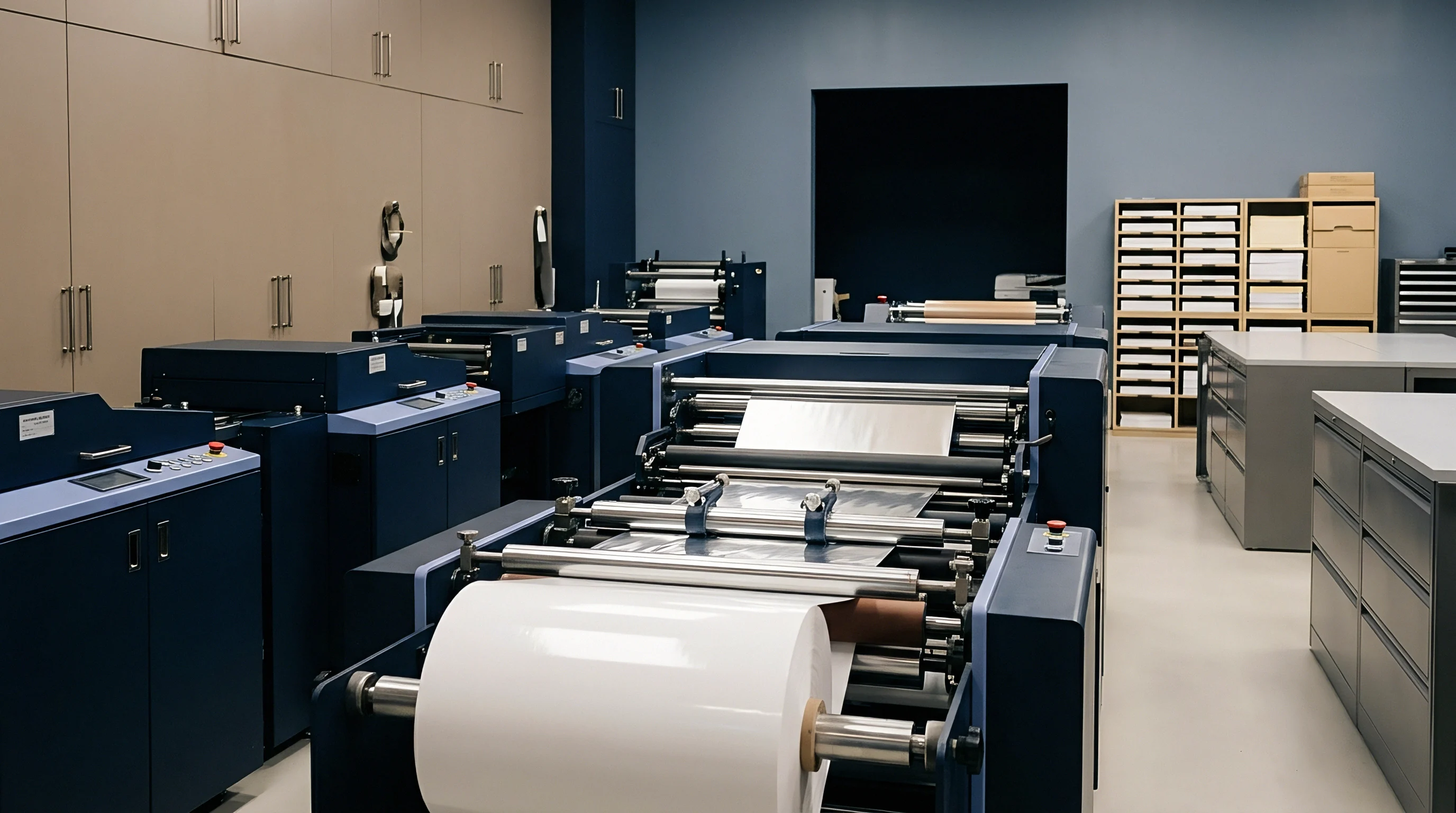
Optical absorption measurements at specific infrared wavelengths reveal the exact liquid water distribution across moving webs. Near-Infrared absorption gauges project light at one thousand four hundred fifty nanometers and one thousand nine hundred forty nanometers, corresponding precisely to the O-H overtone and combination vibration bands of water molecules. By comparing light reflection off the sheet at these absorption bands against reference neutral wavelengths, the system calculates mass fraction water content independent of sheet grammage, optical brighteners, or surface print background.
Which Spatial Resolution Prevents Streaking at High Web Velocities?
High web speeds exceeding eight hundred meters per minute limit the physical measurement window available to traversing sensor heads. A single scanning head traveling back and forth across a two-meter web takes up to thirty seconds to complete a full cross-machine profile sweep. During that thirty-second window, four hundred meters of paperboard pass through the line unmeasured between scanning points, allowing localized moisture spikes to pass undetected.
Fixed-array optical sensors resolve this spatial delay by positioning discrete detector channels every twenty-five millimeters across the full web width. Continuous instantaneous sampling across all channels feeds real-time moisture maps into the control architecture at sampling rates exceeding one kilohertz. Scanner dwell time varies.
This continuous visibility enables rapid actuator adjustments that intercept narrow moisture streaks before the web enters high-pressure converting nips.
Single-point infrared sensors calibrated under ISO 187 atmospheric conditions yield false high-moisture readings on webs containing un-cured polyolefin extrusion layers.
Microwave resonance sensors offer an alternative for heavy paperboard grades exceeding three hundred grams per square meter. Microwave cavity resonators measure shifts in dielectric constant caused by free water molecules within the thick cellulose core. Infrared arrays act fast.
While NIR backscatter gauges primarily measure surface and sub-surface moisture, microwave transmission penetrates the full thickness of the board, capturing internal moisture pockets that evade optical measurement.
How do real-time variations in web temperature and surface roughness degrade NIR moisture signal integrity when running unbleached kraft substrates at maximum line velocity?

Equilibrium
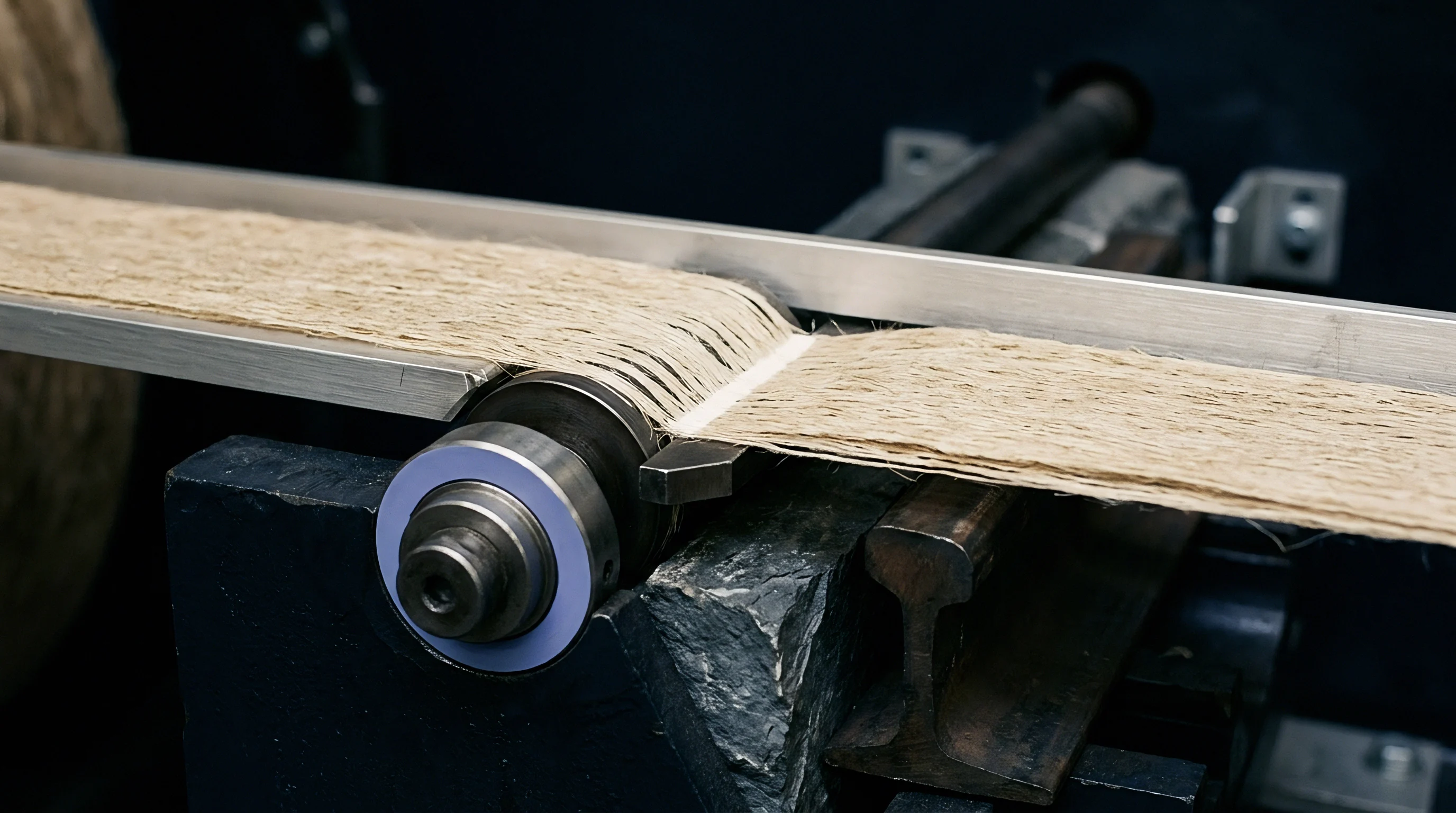
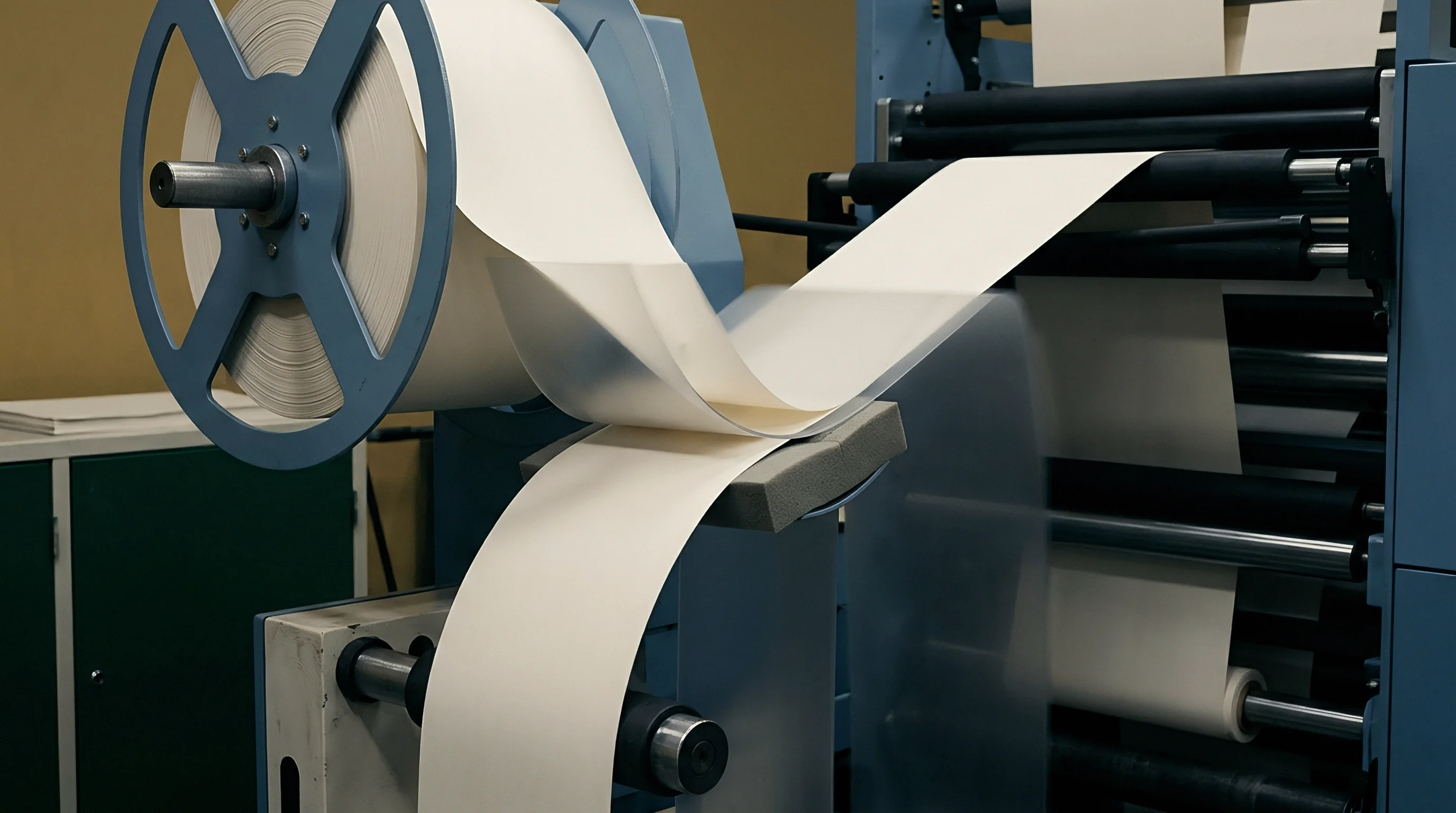
Cellulose matrices expand and contract based on internal water molecule concentrations relative to ambient relative humidity. When converting paperboard into multi-layer laminates, matching the equilibrium moisture content of each plied substrate prevents post-converting structural distortion. Applying a wet adhesive or molten extrusion polymer onto a web with uneven internal moisture traps that imbalance permanently inside the composite structure.
Inter-Pass Conditioning and Moisture Memory
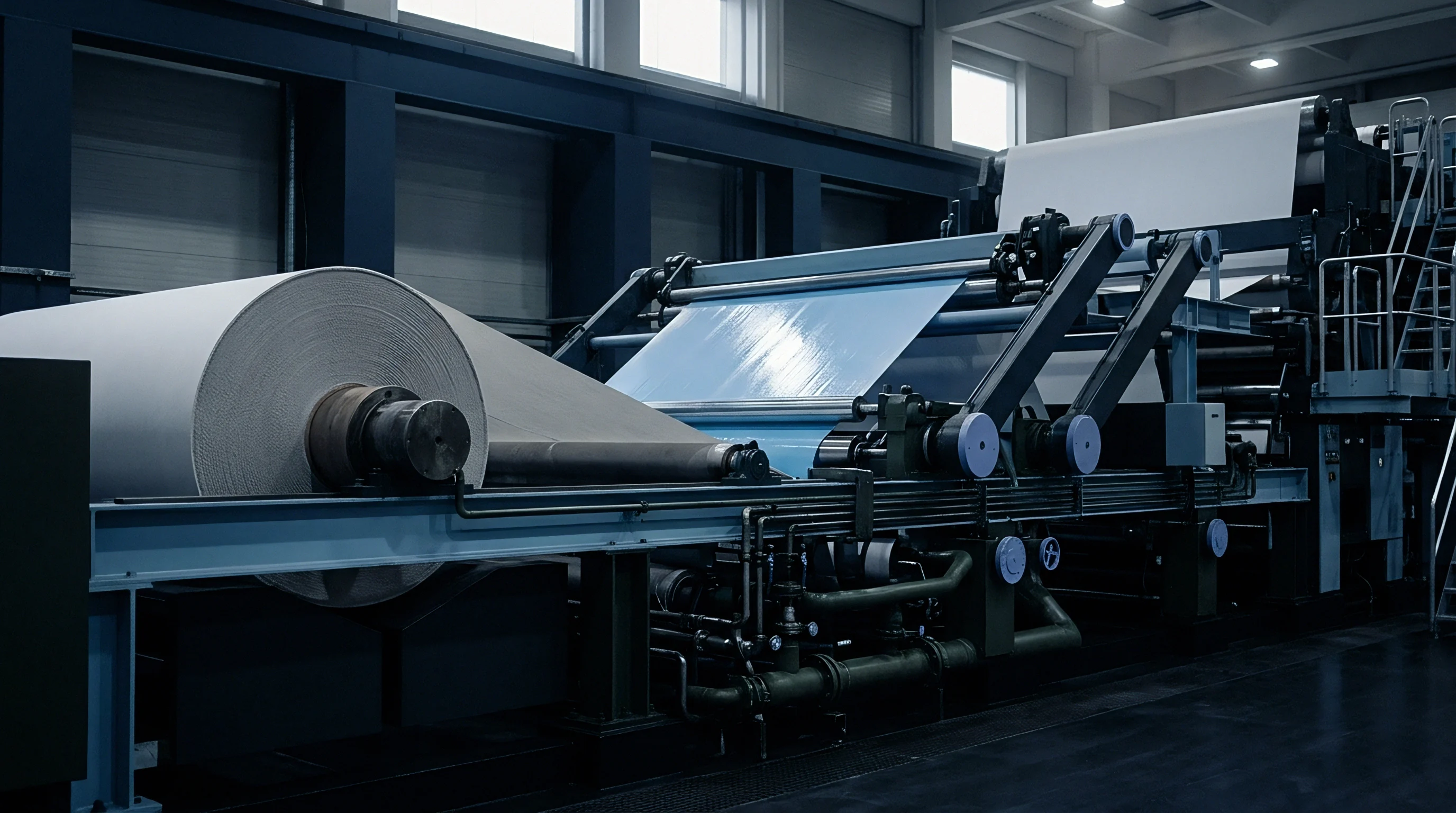
Laminating a dry paperboard layer to a high-moisture substrate triggers immediate internal water migration toward moisture parity. As water shifts across the adhesive interface, the drier web expands while the wetter web contracts. This opposing dimensional movement generates continuous internal shear stress across the adhesive bond line.
Once the laminating adhesive cures fully, these internal stresses lock into place, manifesting as severe diagonal twist curl as soon as the web is sheeted into individual blanks.
Flat sheets prevent jamming. Paperboard retains a physical memory of the moisture conditions under which it was converted. Exposing finished packaging to low-humidity storage causes wet-converted zones to lose moisture and shrink, producing localized fluting along score lines and cracking at folded edges.
Managing inter-pass conditioning requires holding web moisture within a narrow envelope of five point five to six point five percent mass fraction across all converting passes.
Moisture peaks cause fluting. Uncorrected moisture gradients always express themselves as dimensional defects toward the wetter side of the web structure.

Tolerance
Financial metrics in paperboard converting depend directly on run-waste percentages and web break frequencies during high-speed operations. Operating an automated cross-direction moisture correction system carries baseline electrical, steam, and maintenance costs that must be balanced against the material yield savings generated by profile flattening.

Economic Modeling of Defect Rates and Energy Consumption
Consider a converting line processing a one-point-eight-meter wide web of two hundred twenty gram per square meter solid bleached board at a line speed of eight hundred meters per minute. The production throughput equals nineteen thousand four hundred forty kilograms of substrate per hour. Assuming an uncorrected cross-direction moisture profile variation of plus or minus one point two percent around a six percent target, the line experiences an average spoilage rate of four point five percent due to curl defects, score cracking, and lamination delamination.
Installing a combined segmented steam shower and NIR fixed-array sensing system flattens the moisture profile variance to plus or minus zero point three percent. This reduction cuts total web-moisture related spoilage to one point two percent, yielding a net material savings of six hundred forty-one kilograms of board per hour. At a raw material baseline cost of one thousand two hundred fifty US dollars per metric ton, raw material cost savings total eight hundred one US dollars per production hour.
| Moisture Variance Band | Web Break Frequency (per 12h shift) | Average Spoilage Rate | Actuator Energy Cost (per hour) | Net Hourly Cost / (Savings) |
|---|---|---|---|---|
Evaluating investment quotes for high-speed moisture profiling hardware requires assessing line compatibility using a structured operational checklist:
- Spatial Actuator Pitch ~ Ensure nozzle or zone width matches the minimum width of moisture streaks detected in historical roll quality reports.
- Thermal Evaporation Capacity ~ Verify that infrared or steam heating units deliver sufficient energy per unit area to match peak line velocities.
- Sensor Response Frequency ~ Confirm that scan rates update fast enough to detect transient moisture spikes before web processing nips.
- Control Loop Latency ~ Check that integrated processing software adjusts actuator positions within two seconds of detected moisture deviations.
A conversion specification clause stating CD moisture limits as a shift average without peak-to-valley tolerances permits defective substrate reels to enter production without penalty.
Reel build reveals defects. Contract terms that define moisture compliance strictly through average web values expose converters to unrecoverable spoilage costs when local peaks ruin lamination passes.
Dossier
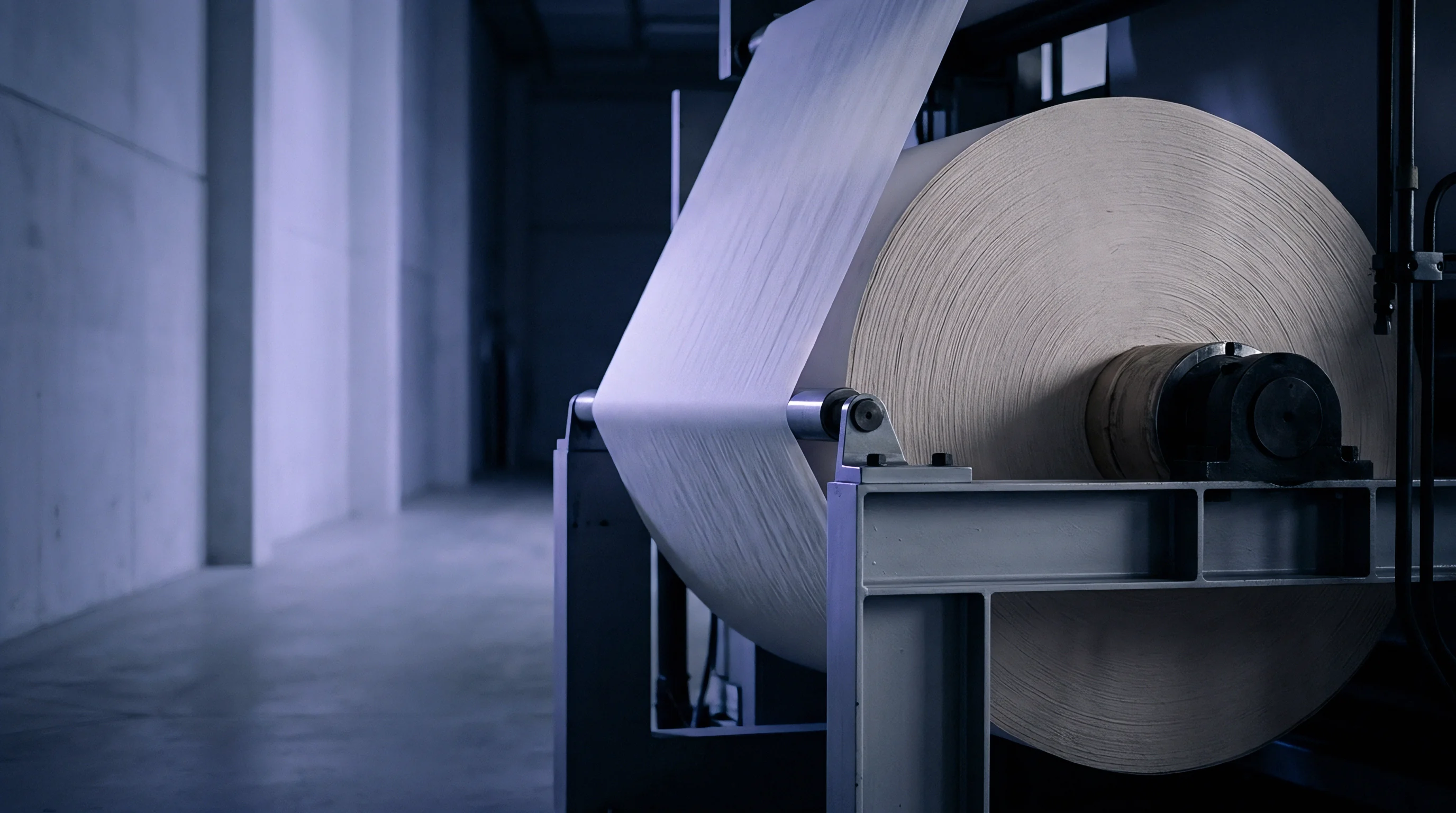
Quality verification documents specify strict environmental baseline values to validate paperboard compliance prior to high-speed converting passes. Standard test protocols mandate conditioning samples according to ISO 187 at twenty-three degrees Celsius and fifty percent relative humidity before conducting gravimetric moisture determinations. Delivering reels accompanied by complete CD moisture profile maps ensures that converted substrates meet international barrier integrity and structural flatness criteria.
Regulatory and Barrier Compliance Frameworks
Extrusion-coated and laminated paperboard structures intended for food contact applications face rigorous regulatory scrutiny under Regulation 1935/2004 and Regulation 10/2011. Excessive moisture peaks during polymer extrusion lamination produce localized steam pockets that create microscopic pinholes in thin polyolefin or polybutylene adipate terephthalate barrier films. These pinholes compromise the gas barrier properties of the final package, resulting in oxygen ingress that shortens food product shelf life and invalidates barrier performance certificates.
Recyclability evaluation schemes under EN 13430 penalize converting processes that over-apply acrylic or synthetic moisture barrier coatings to compensate for substrate profile instability. Web memory retains stress. Applying uniform, thin dispersion coatings onto a web flattened by precision CD moisture actuators maintains high repulpability scores while reducing chemical coat weight usage.
Edge lift ruins lamination.
Purchase specifications for high-speed converting stock incorporate peak-to-valley CD moisture tolerances alongside maximum allowable moisture gradients per meter of web width. Supplying converters with continuous digital moisture roll maps provides complete traceability from the paper mill reel build through final converting passes. Uncured varnish accepts water.
This data dossier forms the legal basis for resolving material non-conformity claims when web defects emerge during high-velocity lamination runs.