Dynamic Fluid Structure Interaction between Interstitial Gas Compression and Interlaminar Delamination Nucleation
Dynamic fluid structure interaction occurs when rapid nip compression elevates interstitial gas pressure above substrate Z-direction tensile bond strength.
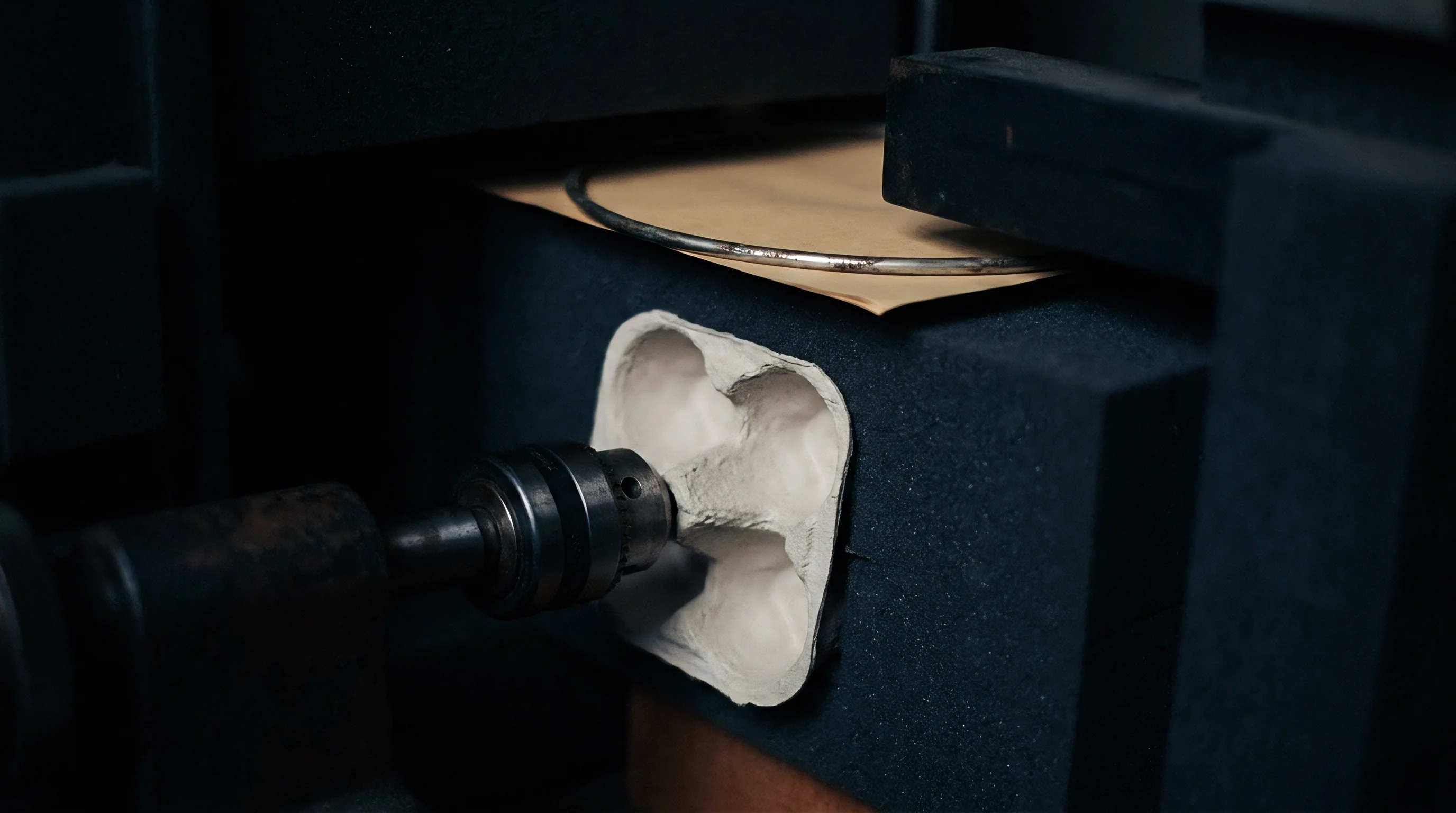
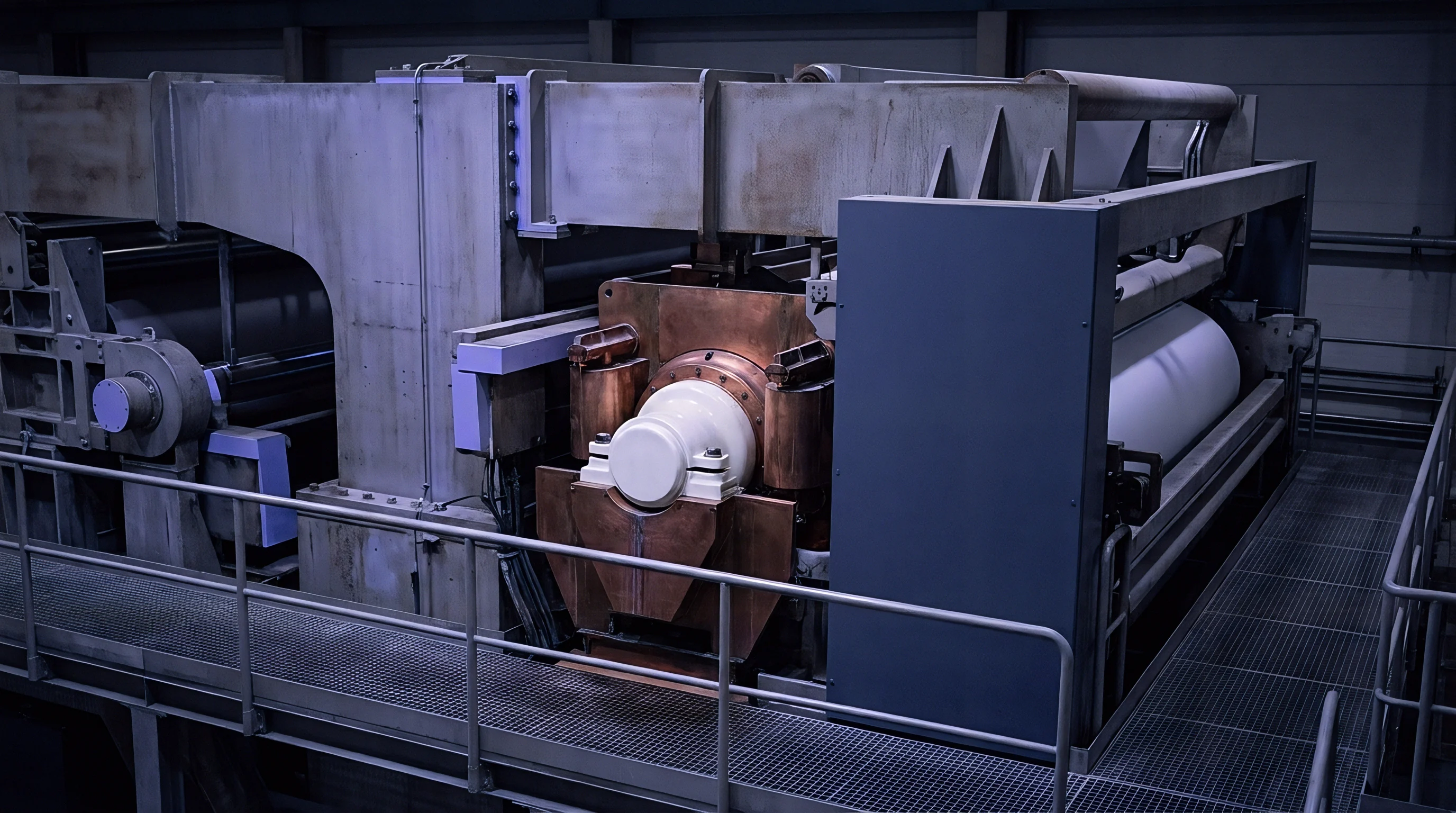
In high-speed rotary press lines and calendering operations, a porous fiber web undergoes rapid volumetric compression within milliseconds of entering the roll nip. The mechanical reduction of web caliper compresses the interstitial void volume inside the sheet structure. Air occupying these microscopic voids experiences forced mechanical containment.
Dynamic fluid structure interaction between the solid fiber matrix and the entrapped gaseous phase governs internal stress distribution during this transient event. When a packaging substrate moves through a nip at speeds exceeding three hundred meters per minute, fluid displacement through boundary pores becomes rate-limited by viscous friction. Pores collapse rapidly under pressure.
Sheet caliper thins in the nip. Gas density spikes instantly.
The fluid flow regime inside the porous network obeys a modified form of Darcy law that accounts for gas compressibility and finite boundary resistance. As the upper and lower surfaces of the paperboard compress under mechanical roll loads, surface pore diameters shrink while internal pore volume decreases. Air trapped within the core plies cannot escape laterally or vertically at a rate matching the volumetric strain rate.
The dynamic compression ratio generates local internal air pressure peaks that rise significantly above atmospheric pressure. Adiabatic heating accompanying rapid compression elevates internal gas temperatures, raising internal pore pressure further. Localized compression behavior depends heavily on furnish composition, initial web caliper, moisture distribution, and roll surface speed.

Transient Compression of Fiber Pores
Dynamic mechanical load application during nip passage converts external strain into interstitial volume reduction. Mechanically pulped cores inside folding boxboard grades contain high bulk, yielding substantial microstructural void space. When this volume contracts, the air contained within the pore network undergoes rapid physical displacement.
Because sheet permeability resists rapid fluid motion across thin web cross-sections, gas accumulates in localized pore pockets along the ply interfaces. This accumulation creates internal hydrodynamic resistance that opposes mechanical roll consolidation.
Trapped interstitial gas volume decreases proportionally with sheet caliper strain during high-speed nip entry.
Pore geometric shape plays a direct role in controlling transient fluid dynamics under load. Coarse softwood fibers create larger interstitial voids with low tortuosity, facilitating faster gas evacuation during mechanical deformation. Fine hardwood fibers and inorganic filler particles create narrow, tortuous channels that impede rapid air movement.
Under dynamic compression rates typical of high-speed converting lines, the fluid phase within fine pore structures acts as an incompressible cushion during initial roll contact. Gas accumulation within internal ply boundaries increases out-of-plane stress components before the web exits the nip zone.
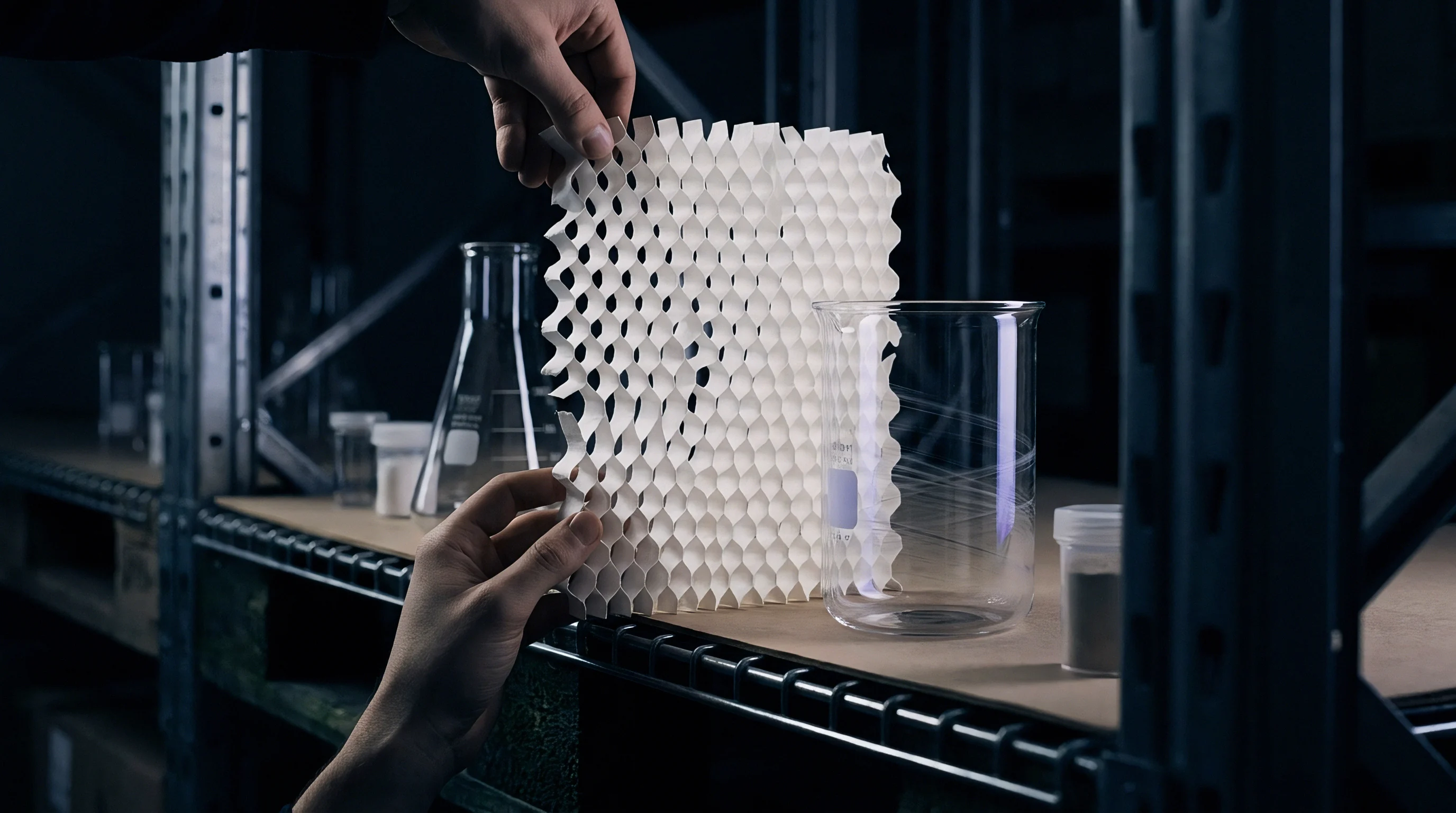
Adiabatic Heating and Interstitial Pressure Spikes
When high-speed compression happens faster than thermal diffusion can dissipate energy into surrounding fibers, trapped air undergoes adiabatic heating. Temperature increases inside microstructural air pockets raise gas pressure in accordance with fundamental thermodynamic relations. In thermal lamination processes where heated rolls contact moist paperboard, this phenomenon intensifies.
Water bound within fiber walls vaporizes when temperatures surpass one hundred degrees Celsius. Combined gas and steam expansion within constrained void volumes generates localized pressure pockets along weak interlaminar interfaces.
Mechanical strain rates on modern converting equipment frequently outpace the gas relaxation time of dense, highly sized packaging grades. A substrate running at four hundred meters per minute remains inside a typical roll nip for less than five milliseconds. Within this brief dwell period, internal gas pressure reaches peak magnitude before external compression forces begin to release at the nip exit.
Mechanical deformation of the fiber matrix and transient gas compression remain closely coupled throughout the nip contact zone. Mill technicians often attribute sheet blisters to localized resin contamination rather than acknowledging transient gas entrapment generated by machine speed excess.
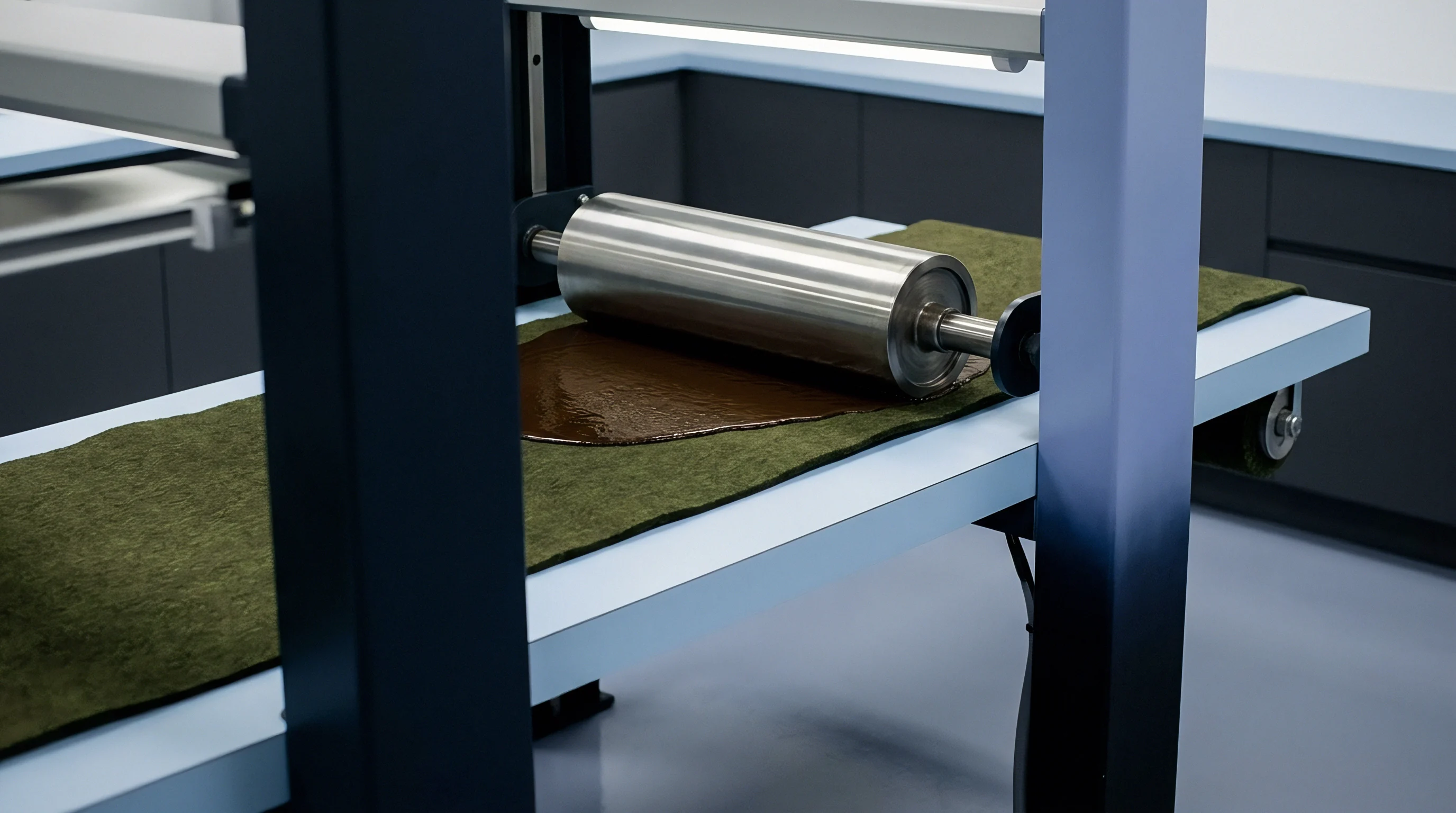
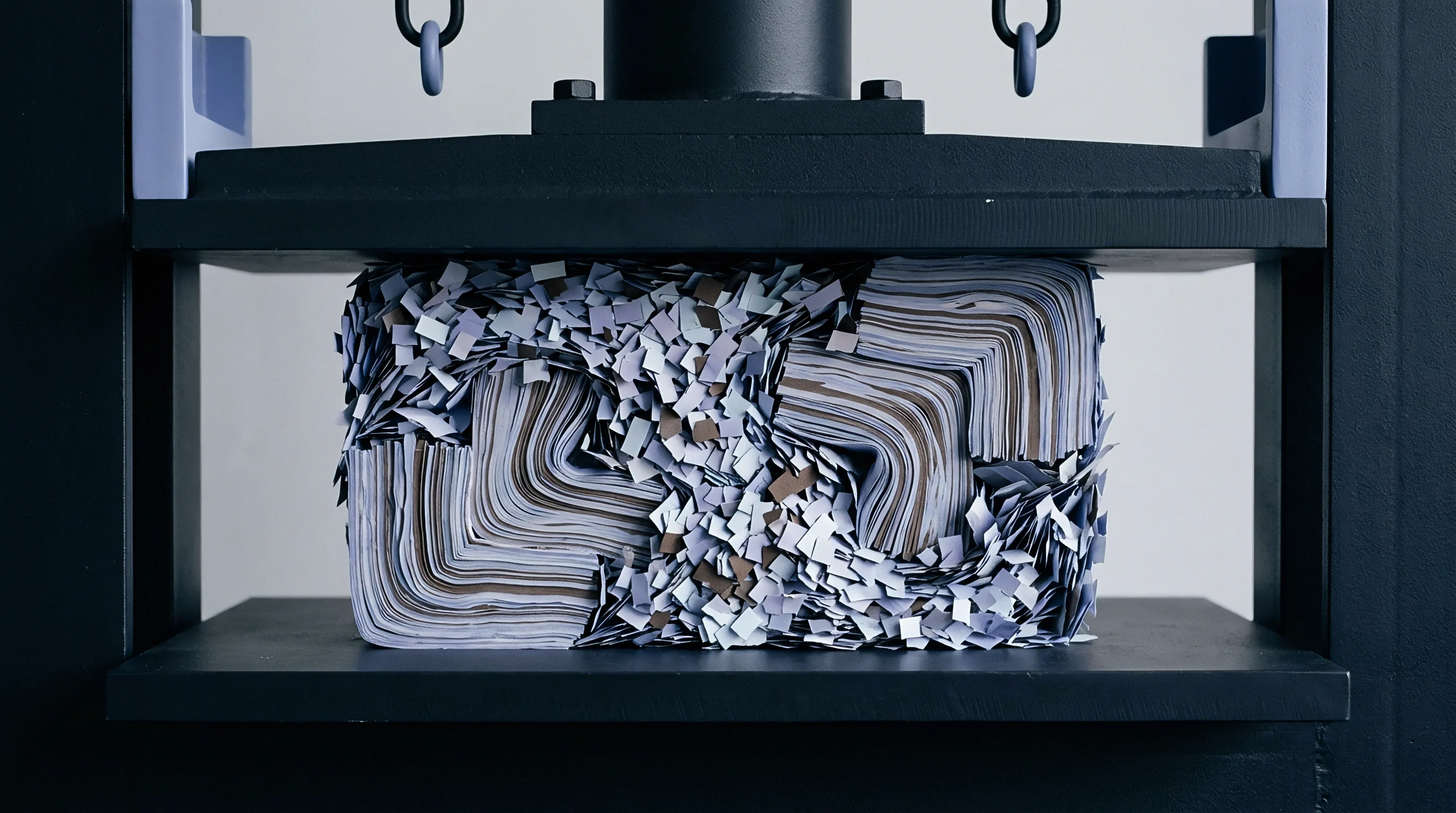
Permeance
Transverse air permeability determines how effectively internal gas pressure dissipates across sheet thickness during high-speed compression events. Standard mill evaluations report air resistance using Bendtsen permeance methods measured under ISO 5636-3 or Gurley hill porosity under TAPPI T 460. These static bench measurements record air volumetric flow under steady-state pressure differentials.
Dynamic nip events present different physical conditions where gas velocity, compression strain rate, and fluid viscosity change simultaneously across milliseconds. Fiber length controls permeability. Surface sizing seals boundary pores.
Hardwood fibers decrease pore diameter.
Surface treatments applied at the size press or coating station alter transverse fluid transport channels. High-solids starch applications seal surface pores, forming a barrier layer that restricts gas discharge during nip consolidation. Clay and calcium carbonate coatings applied to solid bleached sulfate or recycled board grades establish high surface flow resistance.
While smooth surface coatings enhance ink transfer and print fidelity, they isolate the internal fiber core from ambient pressure relief. When internal gas forces cannot escape through coated boundary faces, gas moves laterally along internal ply boundaries, seeking paths of minimum mechanical resistance.
Transverse Gas Permeability in Coated Grades
Coated packaging substrates exhibit asymmetric gas permeability profiles across their cross-section. The top coated layer exhibits extremely low permeance, whereas the unprinted reverse side or raw interior plies maintain higher porosity. During high-speed calendering or extrusion lamination, external roll contact seals both upper and lower boundaries simultaneously.
Fluid transport becomes constrained entirely to the two-dimensional plane of the internal plies. Gas accumulation accelerates near surface coat boundaries where flow resistance rises sharply.
| Grade Description | Grammage (g/m²) | ISO 5636-3 Permeance (µm/Pa·s) | TAPPI T 541 Z-Tensile (kPa) | Moisture Content (%) | Blister Onset Temp (°C) |
|---|---|---|---|---|---|
| Solid Bleached Virgin Softwood Kraft | 300 | 0.45 | 385 | 6.2 | 215 |
| Solid Unbleached Heavy Kraft Board | 350 | 0.28 | 340 | 6.5 | 195 |
| Folding Boxboard Mechanical Core | 280 | 0.12 | 230 | 7.0 | 170 |
| Recycled Coated Multi-Ply Board | 320 | 0.08 | 195 | 7.5 | 155 |
Substrate moisture content alters pore structural geometry and transverse gas flow. High moisture levels swell individual cellulosic fibers, reducing interstitial pore diameters and lowering overall sheet gas permeance. Elevated moisture increases the volume of water vapor generated upon contact with heated converting rolls.
Low transverse air permeance coupled with high moisture content establishes condition thresholds prone to localized structural failure during converting operations.

Furnish Structure and Pore Tortuosity
Fiber morphology governs internal pore network architecture and tortuosity metrics. Recycled fibers subjected to multiple repulping loops exhibit lower flexibility, reduced lumen volume, and higher hornification levels compared to virgin kraft fibers. These altered physical characteristics modify internal void volume distribution across multi-ply recycled board sheets.
Short hardwood fibers increase pore tortuosity, forcing migrating gas molecules along extended pathways before reaching sheet edges.
Transverse air permeance below 0.15 micrometres per Pascal second at 23 degrees Celsius and 50 percent relative humidity accelerates internal air entrapment.
The spatial variation of internal void spaces creates localized zones where gas pressure builds faster than in surrounding regions. Structural boundaries between distinct fiber plies represent natural discontinuity planes. Internal gas accumulation localized along these ply interfaces initiates mechanical stress concentrations.
- Surface barrier entrapment occurs when starch sizing coats the top fibers and prevents transverse gas escape.
- Moisture vaporization expansion develops when bound water transforms to high-pressure steam at two hundred degrees Celsius.
- Density gradient sealing forms under heavy calendering where web surfaces compress tighter than the interior core.
- Interfacial void accumulation emerges at the boundary between extruded polymer films and paperboard fibers.
Uncoated sheets with coarse softwood fibers discharge internal pressure cleanly, while high-density clay coatings trap gas until the internal structure tears.
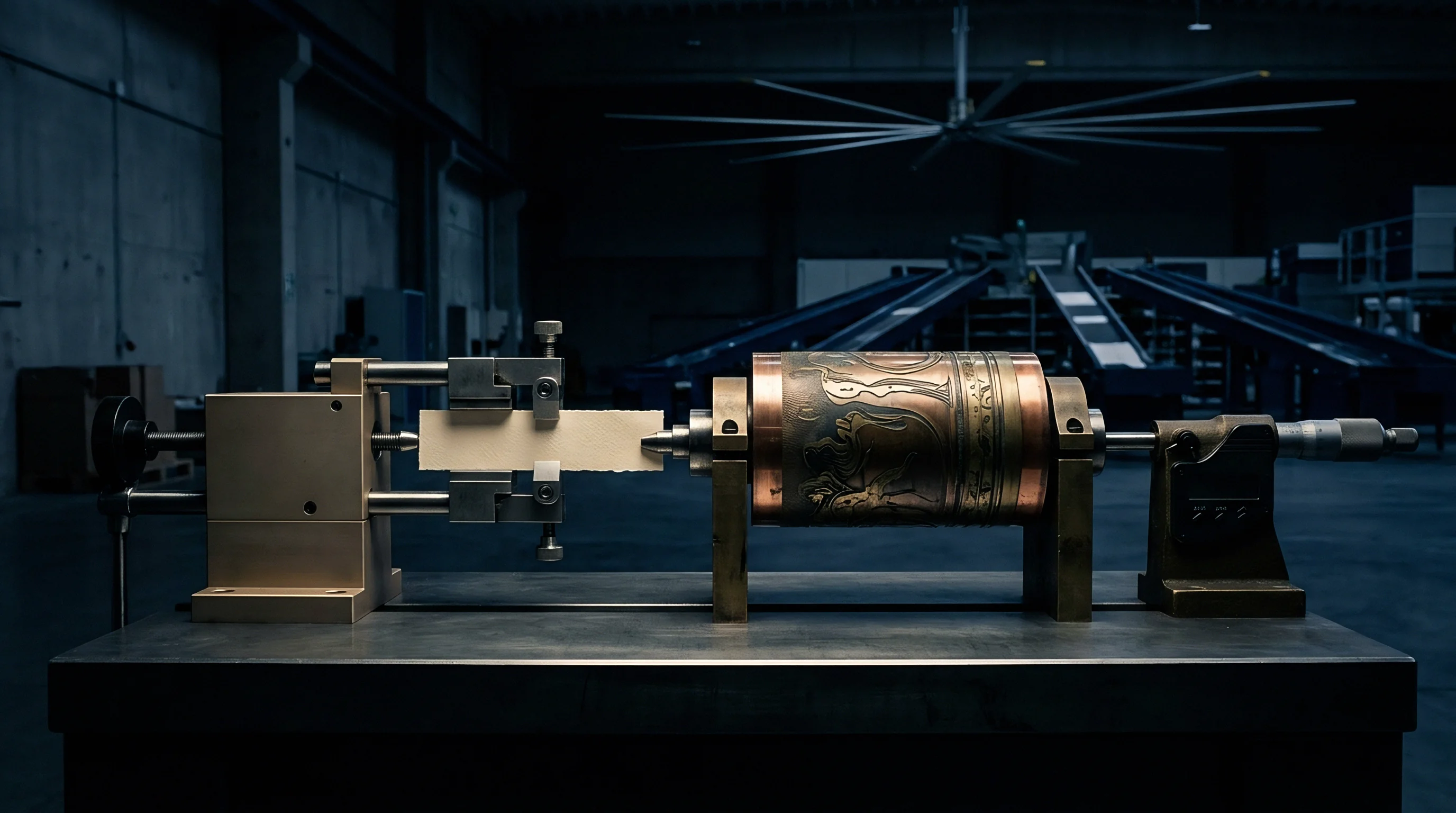

Cleavage
Interlaminar delamination nucleation occurs when local internal gas pressure exceeds the out-of-plane tensile bonding capacity of the fiber network. This failure mode operates under mode I fracture mechanics, where out-of-plane tensile stress isolates adjacent fiber plies. Standard laboratory evaluations measure Z-direction tensile strength using ISO 15754 or TAPPI T 541 procedures.
These methods measure the gross normal force required to separate a pre-defined specimen area. Dynamic nucleation, however, initiates at microscopic flaw sites long before gross structural separation becomes visible across the sheet area. Trapped air expands during heat exposure.
Interlaminar bonds yield to localized tension. Gas pressure exceeds Z-tensile capacity. Moisture amplifies steam generation.
Mechanical stress analysis within multi-ply structures requires balancing internal pneumatic pressure against fiber-fiber joint hydrogen bonding density. At the exit of a compression nip, mechanical roll pressure drops rapidly to zero while internal gas pressure inside compressed voids remains elevated. This pressure imbalance generates a net positive out-of-plane tensile stress acting directly against internal fiber interfaces.
If the local strain energy release rate exceeds the critical interlaminar fracture toughness of the fiber network, micro-voids coalesce into planar cracks.
Where Does Microstructural Fracture Begin under Peak Air Pressure?
Crack initiation concentrates along ply boundaries characterized by low fiber entanglement density. In multi-ply cylinder board or multi-former fourdrinier operations, wet-ply couching establishes structural interfaces between distinct furnish layers. If refining energy applied to core plies is insufficient, hydrogen bonding across ply boundaries remains lower than internal ply cohesion.
Dynamic fluid pressure acts directly against these weak inter-ply bonding planes. Mechanical shearing forces induced by differential web speed through the nip compound out-of-plane tensile stresses, lowering the critical gas pressure threshold required to nucleate microscopic delamination sites.
Compliance with ISO 15754 Z-direction tensile requirements guarantees that interlaminar fiber bonds withstand thermal expansion forces during heat sealing.
Micro-crack coalescence progresses rapidly once initial bond cleavage occurs. Local gas expansion inside an initiated crack tip increases stress intensity factors at the crack boundary. Gas volume moves into the expanding void, maintaining internal pressure and driving crack propagation along the ply interface.
This mechanism produces planar delamination blisters that compromise structural rigidity and surface flatness.
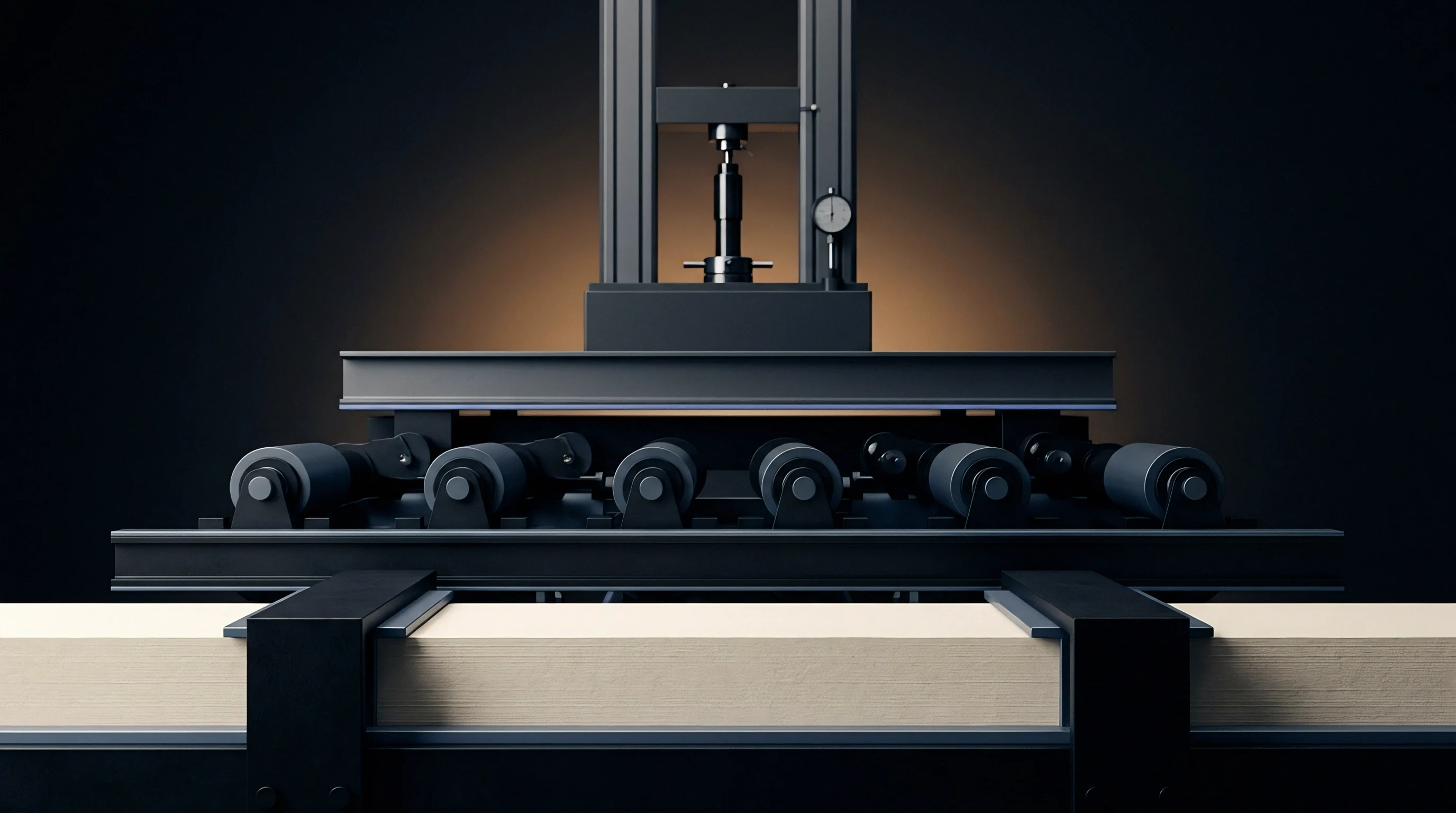
Stress Concentration at Weak Interlaminar Boundaries
Evaluating internal fiber bond performance requires standardized laboratory specimen preparation. Machine operators measure z-axis tensile performance under controlled atmospheric conditioning to verify material resistance to internal blistering during conversion.
- Condition test specimens at twenty-three degrees Celsius and fifty percent relative humidity according to ISO 187 specifications.
- Apply double-sided structural adhesive tape across both faces of the five square centimetre test square.
- Clamp the specimen between rigid steel platens under a uniform force of one kilopascal for sixty seconds.
- Accelerate the Z-direction tensile platen displacement at ten millimetres per minute until mechanical separation occurs.
- Record the peak tensile load and calculate the nominal interlaminar strength in kilopascals from the cross-sectional area.
The fracture surface of a delaminated specimen reveals whether failure occurred through fiber wall rupture or fiber-fiber bond separation. Recycled fiber furnish blends containing short fibers and low refining levels show high rates of bond separation failure due to lower specific surface area available for hydrogen bonding. Softwood kraft furnishes exhibit higher strain energy dissipation capacity, resisting crack propagation initiated by internal gas pressure surges.
Laboratory dynamic fracture tests still fail to separate the exact millisecond where micro-void coalescence transitions into continuous interlaminar delamination under high-speed thermal nips.

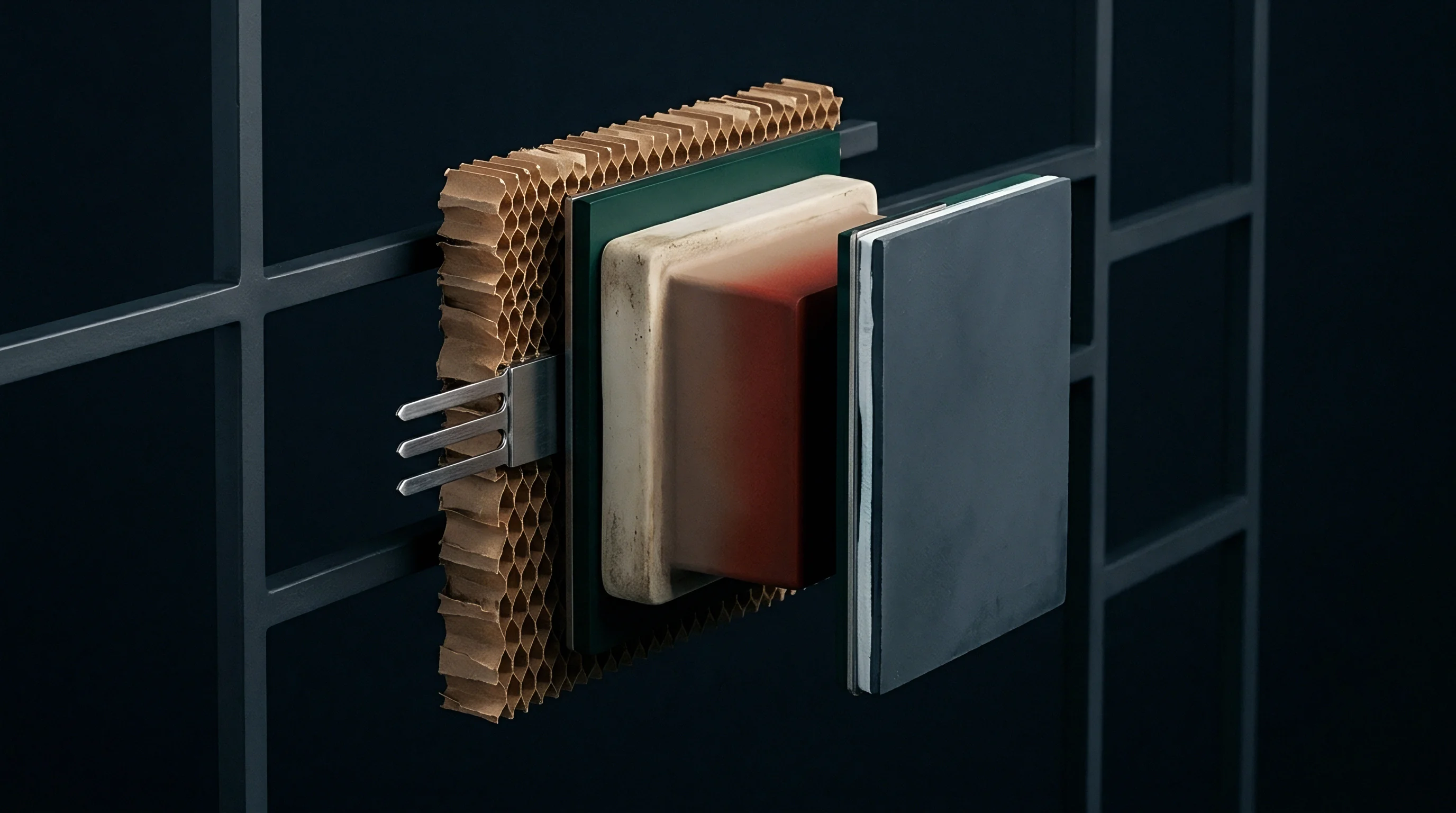
Impulse
Converting equipment parameters establish the external stress environment that drives internal fluid structure interactions. Rotary heat-sealing jaws, thermal extrusion laminators, and high-speed nip rolls apply cyclic mechanical and thermal energy impulses to the moving substrate. Nip dwell duration represents a primary operational variable controlling gas compression and heat transfer depth.
High press speeds elevate air entrapment. Calculated stress exceeds bonding limits. Converter spoilage spikes without venting.
Operational speed dictates the temporal window available for trapped air to diffuse through boundary pores. At line speeds exceeding three hundred meters per minute, contact dwell time within a narrow roll nip drops below five milliseconds. Short dwell times generate sharp peak pressure gradients inside the sheet core.
Higher line speeds reduce the total time available for gas dissipation, increasing maximum internal pore pressure reached during nip traversal.
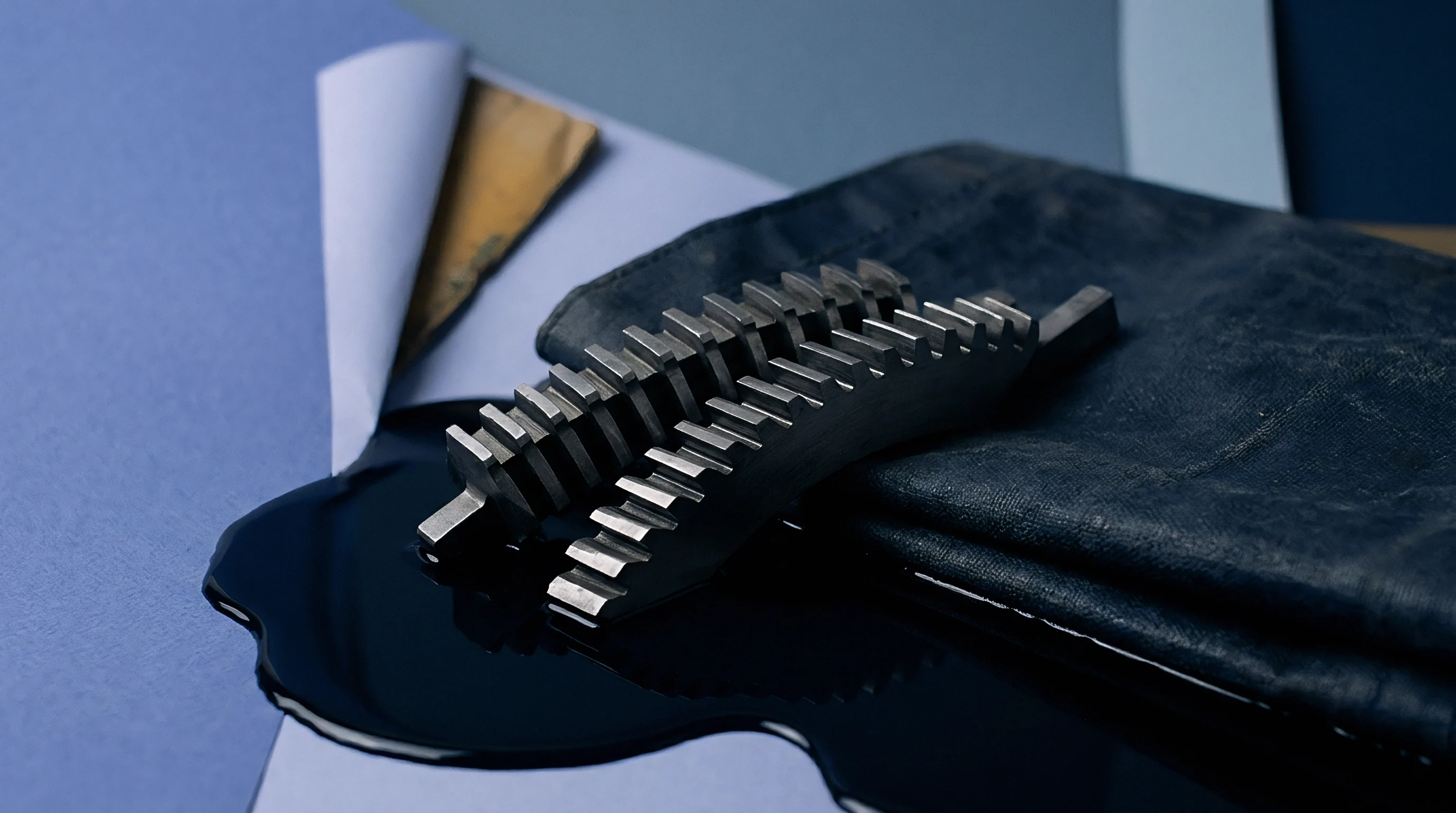
Nip Dwell Dynamics and Gas Dissipation Rates
Adjusting nip mechanics requires balancing applied compressive load against web transport velocity. Heavy mechanical nip pressure increases overall caliper reduction, raising the internal dynamic air compression ratio. Lowering applied roll pressure reduces total caliper strain, preserving internal void space and keeping peak gas pressure below critical delamination thresholds.
| Line Speed (m/min) | Dwell Time (ms) | Roll Temp (°C) | Internal Peak Gas Pressure (kPa) | Delamination Energy (J/m²) | Defect Yield (%) |
|---|---|---|---|---|---|
| 150 | 12.0 | 180 | 85 | 45 | 0.02 |
| 250 | 7.2 | 195 | 140 | 95 | 0.45 |
| 350 | 5.1 | 210 | 210 | 160 | 2.80 |
| 450 | 4.0 | 225 | 295 | 240 | 8.50 |
Thermal lamination processes add significant heat transfer forces into the fluid structure equation. High roll temperatures heat interstitial gas and vaporize moisture trapped inside internal fiber plies. Water phase change produces rapid volume expansion, generating localized steam pressure peaks.
If mechanical nip release occurs while internal steam pressure remains elevated, the expanding steam drives instant ply separation at the roll exit.

Thermal Impulse Sealing in Barrier Laminates
Extrusion-coated paperboard substrates containing polyethylene or aluminum foil barrier layers present severe gas trapping challenges. Polymer film coatings form impermeable gas barriers on external web surfaces. During thermal heat sealing, heat applied through sealing bars melts the inner polymer layers while simultaneously heating moisture within the underlying paperboard core.
Slower nip entry speeds allow trapped gas to diffuse laterally before internal pressure peaks tear the fiber plies.
Because external polymer layers prevent transverse gas relief, steam generated inside the paperboard core migrates laterally toward the perimeter of the heat seal bar. High localized pressure gradients form near the edge of the seal zone, creating blister defects known as edge delamination. Converting line operators adjust temperature profiles, nip gap tolerances, and web tension parameters to control these pressure spikes.
- Nip pressure moderation prevents excessive caliper collapse that chokes internal air escape pathways.
- Graduated thermal profiles reduce instant steam generation inside moist paperboard plies during high-speed lamination.
- Web pre-conditioning heating drives off surface moisture before sheets enter sealed rotary compression zones.
- Serrated anvil geometry provides micro-scale venting channels along heat-seal perimeter edges.
Ignoring dynamic fluid-structure interactions during high-speed lamination produces thousands of blistering packaging blanks that fail visual inspection and burst under automated filling line vacuum cups.


Dossier
Substrate procurement specifications establish technical limits that protect downstream packaging operations from delamination failures. Buying paperboard by the tonne requires balancing raw material unit cost against converting throughput and spoilage exposure. Paperboard grades specified with inadequate Z-direction tensile strength or excessively tight air permeance generate high scrap rates on automated converting lines.
Mill tolerances define acceptable yield. Pulp selection drives overall sheet strength.
Landed tonnage calculations must include waste factors associated with internal delamination defects. A low-cost recycled boxboard grade offering an initial price advantage per tonne proves uneconomical if converting line spoilage exceeds five percent due to thermal blistering. Procurement dossiers must mandate clear verification standards for transverse air permeance, Z-direction tensile strength, and moisture content limits tied to delivery reel certificates.
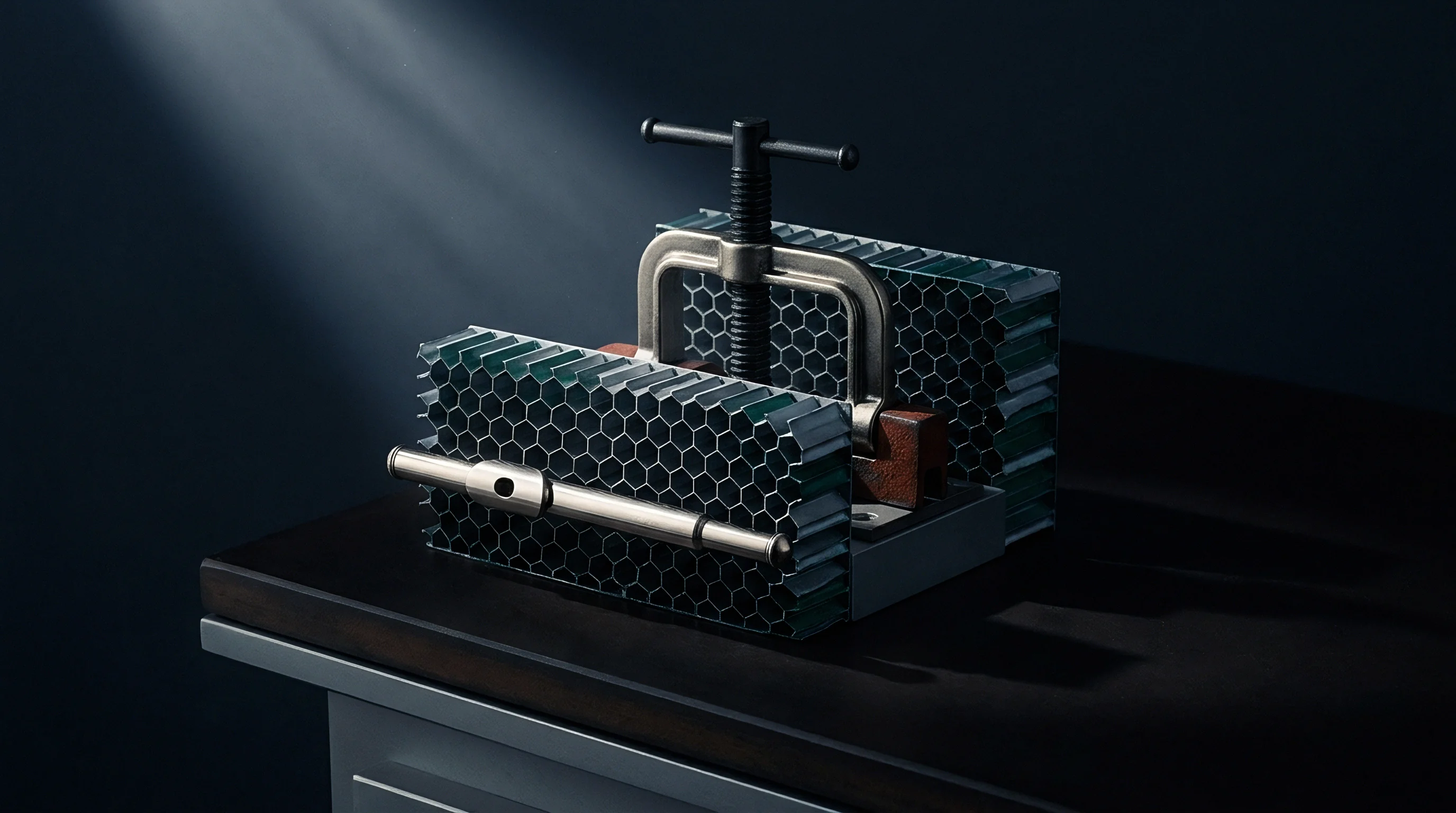
Commercial Specification and Mill Certification Thresholds
A rigorous substrate specification defines acceptable physical property windows under standardized ISO or TAPPI test conditions. Mill test reports must accompany delivered pallets, certifying compliance with minimum Z-direction tensile floors and air permeance ranges. Verification protocols should specify sampling frequency across mill reel width, tracking basis weight uniformity and moisture profiles across the web.
| Substrate Option | Basis Weight (g/m²) | Landed Cost ($/tonne) | Permeance Compliance Pass Rate (%) | Waste Spoilage Rate (%) | Net Cost per 1000 Blanks ($) |
|---|---|---|---|---|---|
| Standard Coated Recycled Board | 350 | 1,120 | 88.5 | 4.2 | 48.20 |
| High-Permeance Open-Pore Recycled | 340 | 1,180 | 96.0 | 1.5 | 46.80 |
| Premium Softwood Virgin Kraft | 310 | 1,410 | 99.2 | 0.3 | 49.50 |
| Micro-Vented Barrier Laminated Board | 325 | 1,550 | 99.8 | 0.1 | 53.10 |
Formulating a commercial procurement dossier requires converting raw material properties into finished packaging unit yields. For a typical forty-tonne substrate order, downgauging basis weight while maintaining high Z-direction strength reduces total tonnage required while preserving resistance to thermal blister defects. Establishing statistical process control limits on raw material certificates prevents off-specification stock from entering high-speed production environments.
Yield Economics and Scrap Mitigation
Financial losses resulting from interlaminar delamination extend beyond raw substrate scrap costs. Defective packaging blanks cause converting line stoppages, automated press jams, customer sorting penalties, and downstream package failure during shipping. Specifying virgin fiber reinforcement or specialized open-pore size press coatings increases initial landed material cost per tonne but protects operational margins across high-volume production runs.
Inserting a mandatory ISO 15754 minimum threshold of 250 kilopascals alongside a Bendtsen air permeance floor into substrate delivery contracts transfers financial liability for internal blister defects back to the paper mill.