Pinhole Dye Penetration Test Protocols for Dispersion Coated Bakery Wraps
Standardized dye penetration testing identifies microscopic film discontinuities in dispersion bakery wraps before grease staining causes field failures.

Defect
Aqueous dispersion coatings on paper substrates create barrier performance through a continuous polymer film deposited from water-borne latex emulsions. Machine speed, drying rates, and surface energetics continuously challenge the formation of an uninterrupted layer. Microscopic discontinuities in this protective barrier allow fats, oils, and moisture vapor to migrate into the cellulosics of the underlying sheet.
Pinholes form through distinct physical channels during coating application and subsequent water evaporation.
Substrate roughness introduces immediate challenges for aqueous dispersions. Bleached kraft papers with high Bendtsen roughness present elevated surface fibers that breach the wet coating film before consolidation finishes. Surface tension imbalances between the wet polymer emulsion and the hydrophobic or hydrophilic sites on the fibers produce localized dewetting.
Air entrainment during high-shear blade or curtain coating introduces micro-bubbles that burst during forced-air drying, leaving circular voids that penetrate the full depth of the dry polymer coat.
Coating films applied at weights below 6.0 g/m² on machine-glazed kraft show a fourfold increase in pinhole frequency when base sheet air permeance exceeds 15 µm/(Pa·s).
Fibre bridging represents another mechanical failure path in dispersion barrier papers. Long softwood fibers sticking out from the base paper matrix resist complete coverage by low-viscosity acrylic or styrene-butadiene dispersions. As the wet film shrinks during thermal evaporation, surface tension pulls liquid resin away from sharp fiber apexes.
The dried sheet retains microscopic pathways directly exposed to grease transport. The mechanical flexure of the coated sheet during winding, slitting, and packaging line operations converts small interfacial stresses into micro-cracks that behave identically to coating pinholes during fluid challenge tests.
Coating voids originate from three primary physical disruptions during paper converting:
- Entrained Bubble Rupture occurs when air bubbles incorporated during high-shear coating delivery pass through the drying tunnel and burst after the top skin of the polymer film has formed.
- Substrate Dewetting Pinholes develop when local surface energy variations on un-sized recycled or kraft fibers cause the wet dispersion droplet to pull back into discrete droplets.
- Fibre Summit Exposure arises when high-aspect-ratio softwood fibers exceed the wet film thickness of the applied dispersion, leaving bare cellulose peaks after drying.
Understanding these defect origins requires clear analytical distinction between total film permeability and discrete pinhole penetration. Permeability involves steady-state molecular diffusion through the solid polymer matrix. Pinhole transport occurs via capillary flow through discrete structural channels, bypassing the polymer barrier entirely.
Measuring capillary pinholes requires liquids capable of wetting the cellulose fibers instantly without dissolving or swelling the polymer coating layer itself. Does thermal strain during heat-sealing introduce secondary micro-cracking in acrylic dispersion coatings that eludes standard room-temperature dye penetration checks?
Reagent
Dye penetration testing relies on liquid formulations engineered to penetrate microscopic structural flaws while leaving the surrounding polymer barrier undisturbed. Water-based dyes fail to wet hydrophobic dispersion coatings, yielding false negatives by bridging over pinholes smaller than 10 micrometers. Solvent-rich dye solutions dissolve or swell thermoplastic acrylics and polyolefins, creating artificial pinholes through chemical attack.
Precision protocol execution demands carrier liquids with strictly controlled surface tension and chemical neutrality toward the specific resin chemistry under evaluation.
Standard testing methods, including EN 13676 and modified versions of ASTM F1929, specify dye carrier compositions tailored to distinct barrier types. Isopropanol and ethanol serve as primary wetting vehicles, combined with water and specialized surfactants to lower surface tension below 25 mN/m. Red Dye O, Sudan IV, and Rhodamine B serve as visual indicators due to their high extinction coefficients and strong visual contrast against white bleached paperboard and kraft substrates.
| Reagent Standard | Dye Component | Solvent Matrix | Surface Tension (mN/m) | Target Coating Compatibility |
|---|---|---|---|---|
| EN 13676 Standard | Sudan IV (0.5 g/L) | 70% Ethanol / 30% Deionized Water | 24.5 | Polyolefin and Acrylic Dispersions |
| ASTM F1929 Method A | Toluidine Blue (1.0 g/L) | Water + 0.5% Surfactant (TRITON X-100) | 29.0 | Heat-Sealed Flexible Packaging |
| ISO 16532-3 Solvent Trace | Rhodamine B (0.2 g/L) | 90% Isopropanol / 10% Water | 22.1 | High-Density PVDC and Fluorochemical Free |
| Modified TAPPI T 598 | Erythrosin B (1.5 g/L) | Ethyl Cellosolve / Water Blend | 26.8 | Styrene-Acrylic Coated Bakery Wraps |
Carrier liquid interaction with the paper substrate determines test validity. If carrier surface tension exceeds the critical surface energy of the dispersion coating, the dye solution hesitates at pinhole entrances, missing sub-micron channels. Conversely, aggressive organic solvents plasticize low-molecular-weight dispersion polymers, generating artificial pinhole indications within seconds of exposure.
Test reagents must maintain stable viscosity across ambient laboratory temperatures to ensure consistent capillary suction rates into detected micro-channels.
Dye carrier solvent selection requires surface tension values strictly below 26 mN/m at 23 °C to guarantee penetration into sub-5-micrometer pinhole orifices.
Formulating laboratory testing fluids requires precise balance between wetting speed and chemical safety. Isopropanol-based mixtures evaporate rapidly during open-bench testing, concentrating the dye concentration and altering solution surface tension during extended evaluation cycles. Technicians maintain tightly sealed applicator reservoirs and replace working dye batches every four hours to prevent solvent drift.
Coating suppliers frequently defend pinhole failures by asserting that test laboratory dye carrier alcohol evaporated during exposure, artificially attacking the resin matrix.
Stain
Executing a pinhole dye penetration test on dispersion-coated bakery wraps demands rigorous sample preparation and mechanical control. Substrate samples cut from delivered rolls must remain flat and free from manual creasing prior to testing. Creases alter local coating integrity, introducing mechanical fracture signals that obscure baseline coating quality.
Testing occurs in controlled conditioning atmospheres of 23 °C and 50 percent relative humidity under ISO 187 parameters.
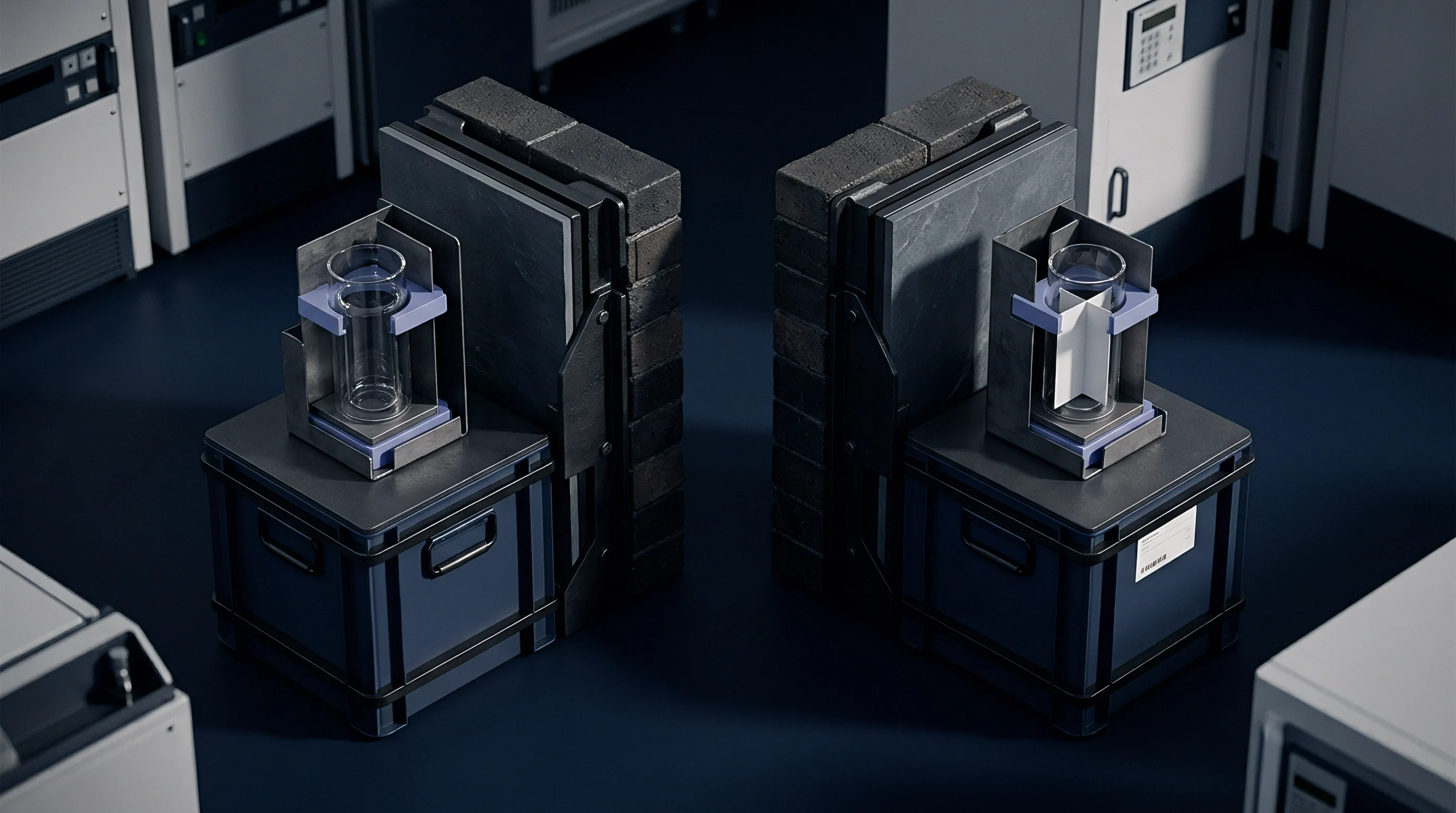
The physical application of the dye reagent follows a standardized manual or automated procedure to ensure equal contact pressure and liquid dwell time across the test surface. An absorbent backing sheet, typically non-coated chromatography paper or bleached absorbent cellulose paper, rests directly beneath the paper sample. Dye migrating through coating pinholes instantly wicks into this backing sheet, capturing a permanent geographic record of every penetration point.
Standard laboratory procedures for barrier wrap dye testing follow a precise sequence:
- Cut representative sheet samples measuring 200 mm by 200 mm from three distinct positions across the parent roll trim width.
- Condition test specimens in an ISO 187 environment for a minimum of 24 hours before liquid application.
- Place specimen coated-side up over a clean sheet of white absorbent filter paper resting on a smooth glass surface.
- Apply 2.0 mL of standardized dye solution to the coated surface using a calibrated precision pipette.
- Spread liquid evenly across a 100 cm² test zone using a soft, non-absorbent foam roller applying zero manual down-force.
- Maintain dye contact for exactly two minutes before blotting excess liquid with lint-free laboratory tissue.
- Separate the test specimen from the absorbent backing paper and record stain marks under calibrated white light illumination.
Visual inspection under standard illumination identifies pinhole count and spatial distribution. High-magnification optical inspection under 40x magnification distinguishes genuine pinholes from edge-creep staining and fiber-wicking anomalies. Genuine pinholes present as distinct, high-contrast circular spots on the backing paper.
Fiber wicking creates diffuse, feathered dye patterns where liquid entered through an uncoated fiber end at the specimen edge rather than through a top-down coating defect.
EN 13676 clause 6.3 specifies that any stain mark on the absorbent backing paper exceeding 0.2 mm in diameter constitutes a countable barrier defect.
Automated flatbed scanners equipped with image-analysis software replace subjective manual counts in high-throughput converting facilities. Image processing software thresholding isolates red or blue color spectrum intensity, converting stain spatial footprints into numerical values representing pinholes per square meter. The scanner calibration relies on optical reference target sheets of known defect density to prevent instrument sensitivity drift.
Precision sample positioning ensures edge regions affected by manual handling drop out of the final numerical count.
According to standard test protocol EN 13676 Annex B, any liquid penetration recorded within 10 millimeters of the sample cut edge must be excluded from the official pinhole count to prevent false defect calls arising from mechanical shear damage during sample cutting.
Tolerance
Interpreting dye penetration results requires setting clear acceptance limits tied directly to bakery packaging performance requirements. Bakery wraps holding high-fat products like butter-rich pastries, croissants, or greasy donuts demand near-zero pinhole allowances to prevent grease bleed-through onto outer consumer packaging. Lower-fat baked goods tolerate minor coating discontinuities without compromising end-use performance.
Quality specifications state acceptable defect counts as maximum allowed stain points per square meter of continuous web.
Establishing pinhole tolerances relies on correlating dye penetration spatial metrics with standardized oil resistance tests, such as the TAPPI T 559 KIT test and TAPPI T 454 turpentine holdout. While KIT testing measures chemical surface energy resistance against aggressive hydrocarbon mixtures, it frequently misses isolated microscopic pinholes that allow slow lipid migration over multi-day shelf lives. Dye penetration testing captures these isolated geometric flaws with far higher sensitivity.
| Application Grade | Dispersion Dry Weight (g/m²) | Max Pinhole Count (dots/m²) | TAPPI T 559 KIT Rating | Turpentine Holdout (s) |
|---|---|---|---|---|
| High-Fat Laminated Wrap | 9.0 – 12.0 | < 5 | KIT 10 – 12 | > 1800 |
| Standard Pastry Wrapping | 6.0 – 8.0 | < 20 | KIT 7 – 9 | 900 – 1200 |
| Dry Bakery / Bread Bag | 4.0 – 5.5 | < 100 | KIT 4 – 6 | 300 – 600 |
| Short-Contact Service Wrap | 2.5 – 3.5 | < 350 | KIT 2 – 3 | < 120 |
Differentiating true film pinholes from false positive indications protects buyers from rejecting functional paper lots. Base papers containing un-slushed recycled fibers or high levels of calcium carbonate filler exhibit localized surface absorbency variations. When solvent dye solutions touch these raw spots, liquid spreads laterally within the base sheet structure, creating large stained regions that resemble massive coating failure.
Standard qualification testing mandates cross-sectional microscopy on disputed stain marks to confirm whether liquid entered through a true polymer void or through lateral edge penetration.

How Does Dye Penetration Differ from Oil Kit Testing?
Oil KIT testing utilizes series of castors oil, toluene, and n-heptane mixtures to measure surface wetting resistance. The test evaluates chemical affinity rather than geometric void structures. Pinhole dye testing employs aggressive capillary-active dyes designed specifically to locate physical voids in an otherwise oil-impermeable polymer matrix.
A dispersion coating may achieve a high KIT rating of 10 through excellent fluorochemical-free resin chemistry while still containing 50 micro-pinholes per square meter due to air bubble entrainment during curtain coating. Bakery wraps specified solely on KIT ratings frequently experience localized grease spotting during extended storage tests.
Quality parameters must reflect converting operations. Slitting, folding, and heat-sealing introduce localized physical stresses that enlarge micro-pinholes. A roll passing goods-in inspection with fewer than 10 pinholes per square meter can generate over 200 pinholes per square meter along bag corner folds if the acrylic dispersion polymer lacks sufficient elongation at break.
Material qualification protocols evaluate both unformed sheet samples and fully converted package structures.
Confusing lateral fiber wicking with direct coating perforation leads directly to the unnecessary rejection of sound paper reels and costly pressroom delays.
Cost
Balancing dispersion coat weight against acceptable pinhole density defines the primary economic trade-off in barrier paper manufacturing. Polymer dispersions represent a substantial portion of total raw material expense in bakery wrap production. Applying excess coating guarantees continuous film formation and zero pinholes, but elevates material expenditure beyond commercial viability.
Operating at minimal coat weight lowers dry coat weight costs but risks catastrophic customer rejections when pinhole counts breach quality thresholds.
Consider a converting mill running a 50 g/m² machine-glazed kraft paper line for grease-resistant bakery wraps. The base paper costs $1,200 per metric tonne. The water-borne acrylic dispersion resin costs $3,500 per dry metric tonne.
The mill evaluates three coating application weights to optimize total unit costs against quality targets across a 50-tonne production order.
| Parameter / Metric | Option A: Low Coat Weight | Option B: Target Coat Weight | Option C: Heavy Coat Weight |
|---|---|---|---|
| Dry Dispersion Coat Weight | 4.5 g/m² | 7.0 g/m² | 10.5 g/m² |
| Total Sheet Weight | 54.5 g/m² | 57.0 g/m² | 60.5 g/m² |
| Pinhole Count (EN 13676) | 180 dots/m² | 12 dots/m² | 0 dots/m² |
| Goods-in Rejection Rate (Est.) | 14.0% | 0.5% | 0.0% |
| Raw Material Cost / Tonne | $1,390 | $1,482 | $1,600 |
| Net Yield After Scrap | 43.0 tonnes | 49.75 tonnes | 50.0 tonnes |
| Effective Material Cost / Net Tonne | $1,616 | $1,490 | $1,600 |
| Cost per 1,000 m² Delivered | $88.07 | $84.93 | $96.80 |
The financial model demonstrates that Option A achieves the lowest raw material cost per gross tonne, yet produces an elevated unit price per delivered, usable area due to a 14.0 percent batch rejection rate driven by excessive pinhole counts. Option C achieves complete elimination of pinholes, but incurs a financial penalty through excessive resin usage. Option B represents the economic optimum, balancing moderate coating application with minimal scrap risk to deliver the lowest effective cost per 1,000 square meters of compliant product.
Coating equipment configurations heavily influence this economic curve. Double-pass coating operations ~ applying two light layers of 3.5 g/m² sequentially ~ fill pinholes created in the first pass far more effectively than a single heavy pass of 7.0 g/m². The second wet film flows into the dried micro-cracks of the initial layer, reducing overall defect counts by up to 95 percent at equivalent total resin usage.
Multi-station coating heads require higher initial capital investment, but reduce ongoing operating expenses by lowering the total dry coat weight required to achieve zero-pinhole performance.
Double-pass dispersion application cuts pinhole frequency by an order of magnitude compared to single-pass coating at identical total dry coat weight.
Negotiating supply agreements demands aligning pinhole limits with true end-use necessity. Specifying zero-pinhole performance for short-contact bread bags unnecessarily elevates packaging expenditure. Sourcing engineers protect margins by establishing tiered pinhole tolerances tied to specific product categories, backed by clear dye-penetration laboratory protocols in purchase contracts.
Matching base paper smoothness to dispersion coating solids content consistently yields the lowest cost per compliant reel.